How long do late payments stay on your credit report?

A late credit card payment can stay on your credit report for up to seven years. The period starts on the date the late payment was reported. Late payments may lead to potential fees and penalties.
Keep reading to explore when payments are considered late and when they’re actually reported. Plus, learn the steps you can take to avoid missing payments.
What you’ll learn:
-
Credit card payments made after the payment due date may be considered late.
-
Being late with payments, even by a day, could result in extra fees and higher interest rates.
-
Once a payment reaches 30 days or more past due, it can be reported to the credit bureaus and included on credit reports.
-
Late payments could stay on your credit report for up to seven years.
-
You can avoid late payments by creating payment reminders and setting up automatic payments.
When do late payments fall off a credit report?
Typically, a late payment will fall off your credit report about seven years after the date the payment was first missed. Although a late payment can affect your credit scores during that entire span, the negative effect tends to decrease over time.
When is a credit card payment considered late?
A credit card payment is generally considered late after the due date passes, based on the issuer’s cutoff time—often 5 p.m. local time or a specified online deadline. Late fees and interest may apply immediately after a missed due date, even if the payment is only a day behind. However, short delays typically don’t impact your credit right away.
When is a late payment reported to the credit bureaus?
Generally, creditors will report a late payment to the credit bureaus after it’s 30 days past due. Check your card agreement to learn more about how your issuer handles credit reporting.
If a payment that brings the account current is made before the account is 30 days past due, the late payment typically won’t appear on credit reports from the three major credit bureaus: Experian®, Equifax® and TransUnion®. But if you can, it’s still best to pay at least the minimum amount due by the due time and date to avoid fees and finance charges.
What happens if a payment is between one day and 29 days late?
Although a payment that’s between one and 29 days late generally won’t be reported to the three major credit bureaus, you still might face penalties.
-
The card issuer could charge you a late fee, even if it’s your first late payment.
-
The card issuer could increase the late fee if you incur another late payment within the next six billing cycles.
-
The card issuer could raise the annual percentage rate (APR) for your account. This APR can be applied to future transactions if your account remains overdue.
- The card issuer could cancel your promotional APR.
What happens if a payment is more than 30 days late?
When a payment is 30 days past the due date, card issuers may report it as delinquent to the credit bureaus. The delinquent payment would then show up on your credit reports. And that could impact your credit.
Typically, late payments are also reported to the credit bureaus when they’re 60 days, 90 days, 120 days and 150 days overdue. The longer a payment is delinquent, the bigger the impact might be. Every situation is different, but here’s a rough idea of how things might proceed:
-
60 days late: A payment that’s at least 60 days late can trigger more late payment fees and penalties.
- 90-180 days late: At 90-180 days late, you’re likely to hear more frequently and urgently from the card issuer. It might sell your debt to a collection agency or charge it off. A charge-off is when the issuer closes your account and writes it off as a financial loss. A card issuer might charge off your account at 90 days, but federal law requires charging off overdue accounts at 180 days.
How to remove late payments from your credit report
To remove late payments that you think are errors that originated with your credit card issuer, you can try working directly with them. And if a card issuer investigates and agrees there’s an error, it should notify the credit bureaus to correct the problem.
You may also be able to remove late payments from your credit report if they were reported in error. If you think a late payment was mistakenly reported, you can file a dispute with the credit bureau that issued the inaccurate credit report. If the dispute is investigated and ruled in your favor, the late payment will be removed from your credit report.
What are the consequences of paying a credit card bill late?
Making late payments to a credit card issuer can have short- and long-term consequences.
-
Late fees: A credit card issuer can charge a late fee for missing just one credit card payment. The fee might go up if you miss subsequent payments.
-
Interest charges: A creditor may charge interest on your unpaid balance until it receives full payment.
-
Interest rate increase: According to the Consumer Financial Protection Bureau (CFPB), if you’re at least 60 days late on your payment, your card issuer might increase the interest rate on your balances. But not all issuers use a penalty APR with late payments. So it’s best to check your card agreement to learn more.
-
Credit score drop: It’s impossible to say exactly how a late payment will affect your credit. But payment history is an important scoring factor for two of the most popular scoring companies, FICO® and VantageScore®. FICO says it uses three criteria to judge late payments: severity, frequency and recency. That means a few things for its credit scores. A late payment can cause your credit score to drop more if your current score is excellent rather than at a lower point on the credit-scoring scale. Missing one payment after another can do more harm than missing only one payment. And late payments on several accounts can trigger more damage than late payments on just one account.
- Charge-off: When a credit card account goes 180 days past due, the credit card issuer must close and charge off the account. This means the account is written off as a loss to the company. But the debt is still owed. How a charge-off could affect your credit or how other creditors may judge it can vary. But a charge-off will generally stay on your credit report for up to seven years.
How to avoid late credit card payments
To avoid late credit card payments, some strategies that can help include:
-
Tracking due dates: It’s a good idea to stay on top of the monthly due date for each credit card account. But if the current due date isn’t ideal, you can request a new one by contacting your card issuer. Keep in mind that card issuers aren’t required to let you change it. And if they do, they might limit you to the number of times you can do it per year.
-
Setting payment alerts: See whether your card issuer offers alerts reminding you when a payment is due. If those aren’t available, consider setting your own reminders on your calendar, phone or computer.
-
Setting up automatic payments: Many card issuers give customers the option to set up automatic recurring payments. If you’re a Capital One cardholder, you can set up AutoPay to make credit card payments automatically. AutoPay gives you options to decide how much you pay, including the minimum payment, the balance on your last statement or a custom amount.
- Contacting your credit card issuer: If you know you’ll be unable to make a payment on time, it might help to contact the card issuer directly. Card issuers work with people every day to make payment arrangements. They might have resources available to you.
Key takeaways: How long do late payments stay on a credit report?
Late payments can stay on your credit report for up to seven years. And if a late payment appears on your credit report, it can result in lower credit scores, making it harder to obtain credit with the best terms and rates. A late credit card payment can also lead to fees and penalties from the card issuer.
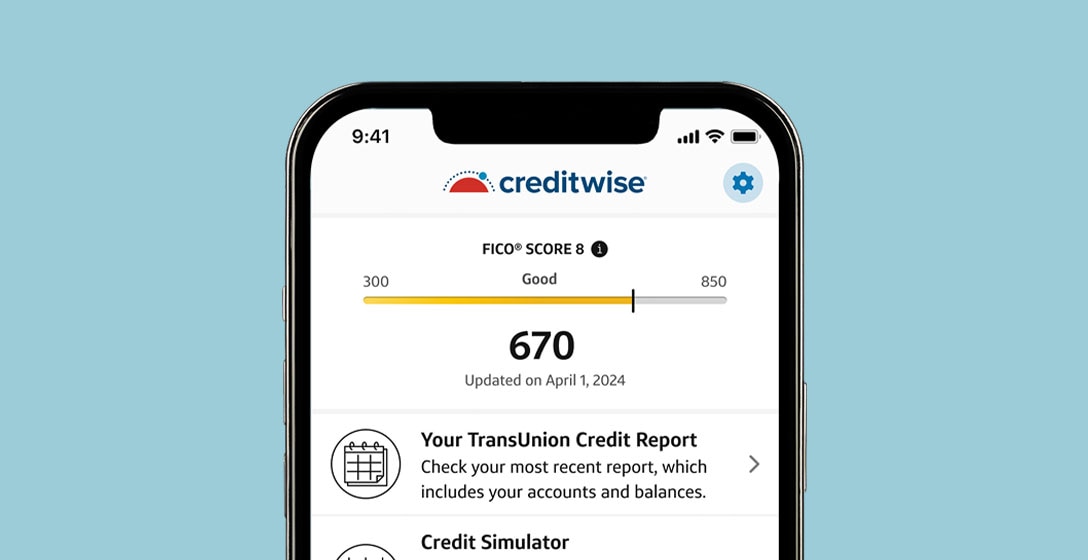
If you’re having trouble making payments on time, consider changing your payment due date, setting up automatic payments or reminders, and talking to your issuer to see what other options might be available. And you can keep an eye on your credit by using a free tool like CreditWise from Capital One. It’s free, and using it won’t hurt your credit scores.