What is payment history and how does it impact your credit?

Payment history is an important factor used to calculate credit scores. In fact, credit scorer FICO® says it’s the biggest factor when calculating credit scores. And because lenders use scores to judge creditworthiness and make lending decisions, it can affect you every time you apply to borrow money.
What you’ll learn:
-
Payment history is an indication of how you’ve managed debts.
-
FICO says it accounts for 35 percent of credit-scoring calculations.
-
Delinquent payments can negatively impact credit scores and creditworthiness.
- You can improve your payment history by consistently paying your bills on time.

What is payment history?
Payment history is a record of how you pay your credit accounts. It’s typically the most important factor in credit scoring. Which makes sense because “track record of payment tends to be the strongest predictor of the likelihood that you’ll pay all debts as agreed to,” FICO says.
Who tracks payment history?
Lenders and issuers report payment history to the three major credit bureaus, Experian®, Equifax® and TransUnion®. The bureaus then compile that information (and more) within credit reports.
The section on payment history shows information, such as:
-
Accounts paid on time
-
Past due items
-
How long payments are or have been overdue
-
Delinquencies, collections items and bankruptcies
What accounts are included in payment history?
The types of accounts that can influence your payment history include:
-
Credit cards
-
Installment loans like auto loans, mortgages and student loans
-
Retail credit accounts
-
Revolving credit accounts, such as home equity loans
-
Reported utilities and rent payments
-
Public records, such as collections, foreclosures or bankruptcies
How does payment history affect your credit scores?
Your payment history is one of the biggest factors affecting your credit scores. It accounts for 35% of your FICO® Score and 41% of the latest VantageScore® credit model.
Your credit scores give lenders an idea of how likely you are to pay back your loans. And the better your payment history, the better it will reflect on your credit scores and creditworthiness.
How long can payment history affect your credit scores?
Negative information about your payment history, such as late payments, can stay on your credit reports for up to seven years. Bankruptcies or lawsuits can stay on your reports even longer. But depending on the scoring model, older negative information may count less than more recent information does. And negative information with smaller dollar amounts could count less than negative information with larger amounts.
How to improve payment history on your credit report
There are several steps you can take to improve your payment history. Here’s what you can do to help ensure you’re using credit responsibly and staying on top of your payments.
Pay bills on time
Making timely payments on your accounts is key to building a positive payment history. Consider sticking to a budget and making at least the minimum payment by the due date.
Get current on missed payments
If you miss a payment, try to correct it as soon as possible. The longer you pay your bills on time, the better it is for your payment history. Missed payments and other unresolved issues, like past due accounts, can lead to more serious consequences such as delinquent accounts, collections or credit card charge-offs.
Set up automatic payments or account alerts
Setting up automatic payments is one way to ensure your bills are paid on time each month. You typically can choose to make the minimum payment, pay the balance in full or specify a different amount you’d like to pay each month. You can also consider setting up account alerts to be reminded of an upcoming due date.
Monitor your credit reports
By regularly checking your credit reports, you can keep an eye out for late payments that might be inaccurately reported to the credit bureaus. You can get free copies of your credit report by visiting AnnualCreditReport.com. If you notice an error, you can work with the credit bureau where you found it to have it removed.
Key takeaways: Payment history and credit scores
Your payment history shows up on your credit reports and is a major factor in calculating your credit scores.
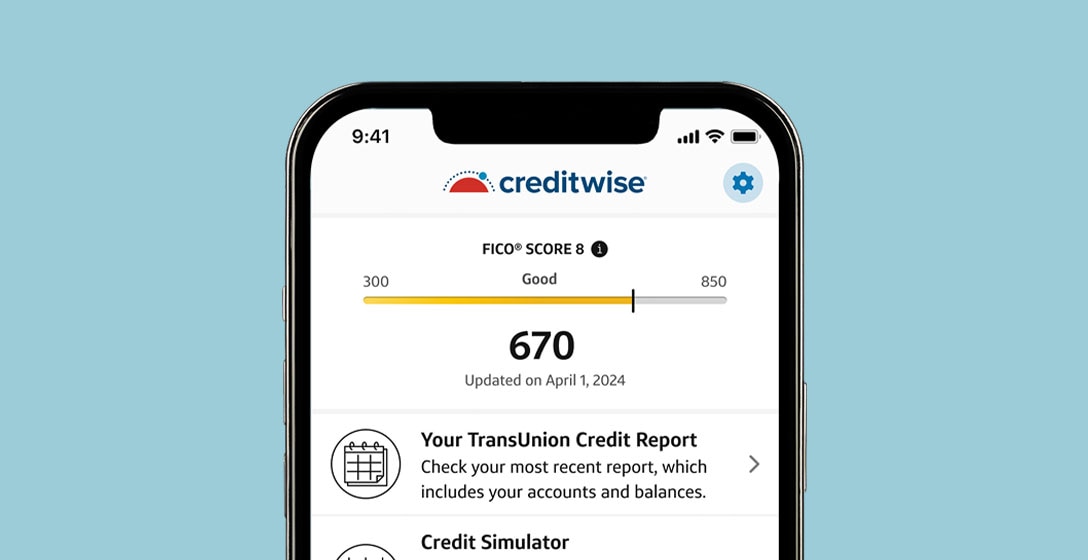
You can use CreditWise from Capital One to monitor your credit. With CreditWise, you can access your free credit report and credit score without hurting your credit scores. And it’s free for everyone, not just Capital One cardholders.