How to apply for student loans

If you’re applying to college, there’s a chance you’ll also be applying for a student loan. In fact, around 42% of college students under 30 took on student loans in 2024, according to the Federal Reserve.
Find out how student loans work and how to apply for federal or private student loans.
What you’ll learn:
-
There are two basic types of student loans: federal and private.
-
Federal student loans are typically less expensive than private student loans and may have other benefits, including deferred payments and loan forgiveness.
-
To apply for a federal student loan, start by filling out the Free Application for Federal Student Aid (FAFSA) form.
-
Consider comparing lenders and reviewing your credit before applying for a private student loan.
How to apply for federal student loans
There are two types of student loans: federal and private. Federal student loans are provided by the government and can be broken down into four categories:
-
Subsidized student loans
-
Unsubsidized student loans
-
PLUS loans
-
Consolidated loans
Here’s some general guidance on applying for federal student loans:
-
Create a StudentAid.gov account. Anyone who needs to provide information for your federal student loan application needs to create a StudentAid.gov account. That might include you, your parents and your spouse.
-
Compile necessary documents. You might need to have some information, like financial documents and your parents’ Social Security numbers (SSNs), on hand to apply for federal student loans. Consider gathering everything before you apply to help streamline the process.
-
Submit the FAFSA form. To apply for a federal student loan, you have to fill out the FAFSA form. Deadlines to submit the FAFSA form usually fall at the end of June. But financial aid is sometimes provided on a first-come, first-served basis, so applying earlier is better. You can also track your FAFSA form’s progress on your StudentAid.gov account.
- Review your offer. After submitting a completed FAFSA form, you’ll get a financial aid offer if you qualify. The offer may include federal loans and instructions on what to do next. If you have questions, reach out to your school’s financial aid office for help.
Applying for PLUS loans
PLUS loans are federal loans available to graduate students, professional students and parents of undergraduates. They can help cover expenses that aren’t paid for by other financial aid. Once you submit your Direct PLUS Loan application, the school you select will use that information to check whether you’re eligible.
How to apply for private student loans
If federal financial aid isn’t an option or you need more help paying for school, you may consider private student loans from a bank or credit union. Sometimes state agencies or schools offer loans too. While federal student loans might be based on financial need, private loans are based on credit history. If the lender allows it, having a co-signer with good credit may increase your chances for approval and get you a better interest rate.
Here are some steps to consider taking when applying for a private student loan:
-
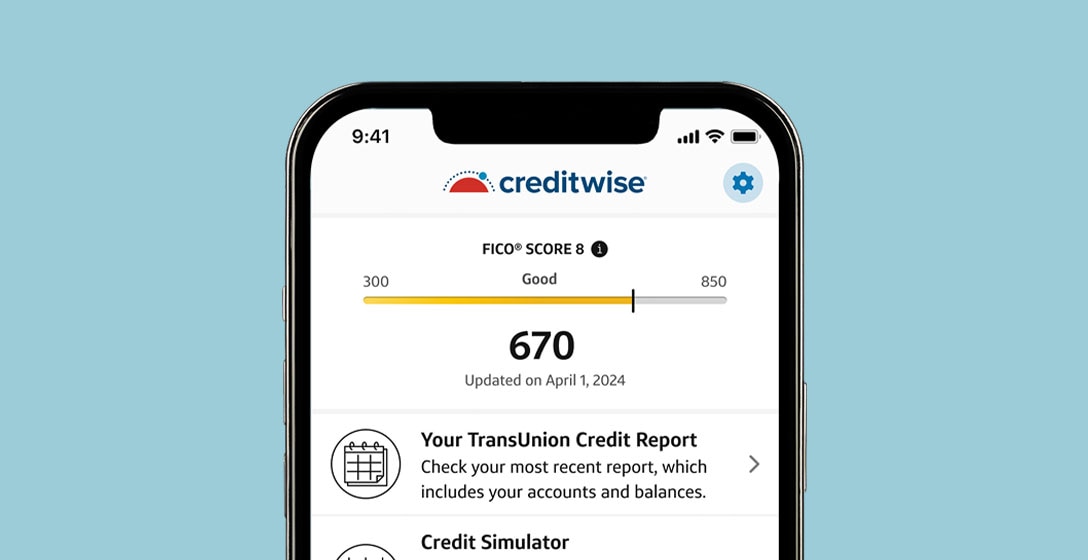
Review your credit. Checking your credit score can give you a better idea of what loans you might be eligible for. One way to check your credit report and score is with CreditWise from Capital One. It’s free, and using CreditWise won’t hurt your credit.
-
Compare lenders. There are a lot of variables to consider when shopping for a private loan, including interest rates, loan protection, payment plans and lender reputation. Comparing loan offers and talking to an expert can help you figure out what’s best for you.
-
Submit the application. You may need some information, like your SSN, proof of income, current debts and the cost of the school you’re attending, to fill out a private student loan application. After you submit your application, the lender may take some time to verify that information. Then you’ll find out whether you’ve been approved.
Keep in mind that before private student loans can be disbursed, you also have to fill out a self-certification form to confirm you know all your options. The form is required by law. And it directly encourages you to “pursue the availability of free or lower-cost financial aid.” Your school’s financial aid office and your lender should be able to provide more details if you need the form.
Federal student loans vs. private student loans
Federal loans may be a better student loan option than private loans. Federal loans are typically less expensive than private loans. And federal loans may include benefits that private loans don’t. That includes things like deferred payments, help paying interest, debt consolidation options and loan forgiveness. Private loans may also have additional fees.
Key takeaways: Getting a student loan
Federal and private student loans are two ways to help pay for college. Before taking out any loans, you might consider exploring financial aid in the form of grants, scholarships and work-study programs.
If you do end up with federal or private student loans, you can learn more about how to pay off student loans. And if you’re looking for a way to build credit while you’re in college, using a student credit card responsibly may be a good option.