Upgrading vs. downgrading your credit card

If you’re interested in a different credit card, your options might include upgrading or downgrading with your current issuer. Maybe your spending habits have changed since you got your current credit card. Maybe you’re interested in different rewards. Or maybe you aren’t using your card enough to justify its annual fee.
Whatever the reason, learn about your potential options and whether upgrading or downgrading is even the right way to think about it.
What you’ll learn:
-
Some issuers let you change from one card to another without closing an account or triggering a hard inquiry.
-
Credit card upgrades and downgrades with the same issuer are commonly known as product changes.
-
Looking at how a change might affect rewards, fees and your credit scores can help you decide whether swapping cards is the right decision.
-
Product changes may not be eligible for promotional annual percentage rates (APRs) or certain bonuses.
What does it mean to upgrade a credit card?
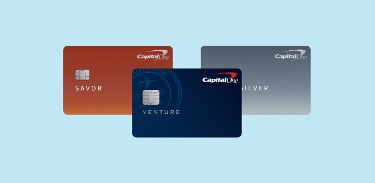
A credit card upgrade is a type of product change. You swap your current credit card for a different card with the same issuer and keep the same account number. You might be interested in an upgrade if you could earn better rewards or get a higher credit limit. If a product change doesn’t require a hard inquiry, it shouldn’t affect your credit scores.
What is a credit card downgrade?
When you switch to a credit card with the same issuer that has a lower annual fee or fewer benefits, it’s still a product change. But it’s commonly referred to as a downgrade. This term can be misleading, though. It doesn’t mean you’re settling for a worse credit card. It may just mean the card suits your lifestyle and spending habits better—even if it means letting go of some benefits or rewards.
When you downgrade your card, you’re not closing a credit card account. As with an upgrade, you’re simply transferring your existing line of credit to a new card from the same issuer. Your account number typically remains the same.
Pros and cons of upgrading or downgrading a credit card
“Upgrade” and “downgrade” aren’t official terms. So they might not be the right way to think about product changes. It’s easy to see why switching to a card with fewer rewards might be considered a downgrade. But it could be the right move if the new card is better for your finances.
Similarly, pros and cons can be different for everyone. But if you’re interested in swapping cards, it could affect a few things:
-
Rewards: You could earn additional rewards—or rewards that better align with your lifestyle and spending. For example, you may want to switch from a travel rewards credit card to a cash back card. You can check with your issuer to see how it handles rewards you haven’t redeemed yet. If your rewards structure is changing (like going from miles rewards to cash back), that can be helpful to understand, too.
-
Credit-scoring factors: There are five major factors that affect credit scores. Changing cards alone may not affect your scores. But if swapping involves a hard inquiry or your credit limit shifts, your scores might change.
-
Fees: If you change to a card with elevated rewards, that could mean an annual fee. It could still be worth it. You can determine for yourself whether you think you’ll use the benefits enough to justify additional charges.
-
Bonuses: You may not qualify for bonuses or introductory offers because they’re typically offered only to new cardholders. If you’re interested in a bonus, you might have to apply for a new card.
- Options: You may not be able to choose the card you want to swap. But even an unexpected offer could be beneficial.
How to upgrade or downgrade your credit card
Each card issuer has its own policies and processes for upgrades and downgrades. In some cases, if you’re eligible for an upgrade, your card issuer may reach out to you. You can also request a change with your card issuer.
It can help to have an on-time payment history and be in good standing. Issuers may also consider credit scores and credit history when making decisions about upgrades.
If you want to upgrade to a card with an annual fee, you’ll need to have your account open for a full year before you can upgrade. That’s because the Credit Card Accountability Responsibility and Disclosure Act of 2009 (CARD Act) forbids credit card companies from increasing your annual fee within a year of opening your account.
Here are a few other general guidelines to consider:
-
Compare cards. Take the time to research different cards and compare potential options. Some things to consider include fees, rewards, eligibility requirements and benefits.
-
Check for card offers. Find out whether you’re eligible for any swaps. If you’re a Capital One cardholder, you can check for offers by signing in to your Capital One account. You can also ask Eno, your Capital One assistant, for help finding offers.
-
Accept an offer. If you’re approved for an upgrade, you can simply choose to accept the offer. If you’re able to keep your existing card and account number, you can keep using your account as normal and start enjoying your new benefits right away.
A credit card upgrade isn’t the only option. If you want to keep your current card but want more spending flexibility, you may be able to request a credit limit increase.
Applying for a new credit card instead of upgrading or downgrading
Instead of upgrading or downgrading your credit card, you may also consider applying for a new credit card. New accounts may be eligible for perks like introductory rates and bonus offers. For example, new Venture cardholders can earn 75,000 bonus miles when they spend $4,000 within three months of opening their account. With an upgrade or a downgrade, you may not be eligible for these benefits.
And if you use your credit card responsibly, adding another line of credit could potentially help you improve your credit scores. This is because a new credit account raises your overall credit limit, which can help lower your credit utilization ratio.
Keep in mind that new credit applications typically require hard inquiries, which can temporarily impact your credit scores. A single hard inquiry will generally only lower your scores by a few points. But applying for multiple credit cards in a short time can have a larger negative impact.
Key takeaways: Upgrading or downgrading your credit card
Whether upgrading or downgrading—or applying for a new card—what’s best for you depends on your circumstances.
If you’re happy with your credit card and it makes sense to apply for a second card, Capital One can help:
-
See whether you’re pre-approved for credit cards without harming your credit scores.
-
If you’re looking to build your credit with responsible use, explore cards for people with fair credit.
-
Earn unlimited cash back on every purchase, every day with a cash back rewards card.
- Monitor your credit report and score with CreditWise from Capital One. It’s free for everyone, and using it won’t hurt your credit.