How to get a credit card

Getting a credit card can be a big milestone. But before you apply, you might want to check your credit scores and research card options to help you find a card that’s the right fit for you.
What you’ll learn:
-
Applying online for a credit card is typically the fastest and most convenient way.
-
Monitoring your credit reports and scores can give you an idea of where your credit stands and which cards you could be eligible for.
-
Comparing interest rates and rewards can help you find a credit card that’s a good fit.
-
Checking for pre-approved card offers can help you understand which cards may be right for you, without hurting your credit scores.
Check your credit reports and scores
Credit card issuers typically evaluate creditworthiness to determine whether to approve or decline applications. Knowing where your credit stands can make it easier to determine what cards you might be approved for. Generally, the higher your credit score, the better your chances are for approval.
You can get free credit reports from each of the three major credit bureaus—TransUnion®, Experian® and Equifax®—by visiting AnnualCreditReport.com.
CreditWise from Capital One is another way to monitor your credit. With CreditWise, you can check your credit as often as you like without hurting your credit scores. And it’s free, even if you’re not a Capital One cardholder.
Understand the terms and fees
There’s a lot to know about credit cards. Learning about some key credit card terms could help you be more prepared to choose a card and apply. Here are a few to look out for.
-
Annual percentage rate (APR): Interest is the price you pay to borrow. With credit cards, APRs and interest rates are typically the same. But APRs can change based on the type of transaction.
-
Annual fee: Some cards charge a yearly fee for keeping your account open.
-
Credit limit: This is the maximum amount you can charge to the card.
-
Late payment fee: If you pay your credit card bill after its due date, you may be charged a late payment fee. Late payments could also increase the card’s interest rate and impact credit scores.
Explore credit card options
There are many different types of credit cards. What’s best for you depends on what you’re looking to get out of the card, your spending habits and other preferences. The Federal Trade Commission says APRs are a good thing to compare. You could also review rewards structures and other benefits.
Here are some common types of credit cards.
|
Card |
Description |
| Cardholders earn a percentage of cash back on purchases | |
| Cardholders earn miles and may have additional benefits, such as access to airport lounges | |
| Require a refundable deposit and are generally easier to qualify for than traditional credit cards | |
| Typically require that cardholders be in school to qualify | |
| Can help with major purchases or consolidating debt | |
| Let cardholders move a balance from one credit card issuer to another |
Prepare your personal information
When applying for a credit card, you’re going to be asked to supply information such as your:
-
Full legal name
-
Date of birth
-
Address
-
Annual income
-
Social Security number or Individual Taxpayer Identification Number
-
Employment status
Find out whether you’re pre-approved
When you’re pre-approved for a credit card, it typically means your credit scores and other financial information matched at least some of the initial eligibility criteria needed to become a cardholder. Pre-approval is a way to compare options and gauge your approval odds.
Submit your credit card application
If you apply for a credit card online, you could get a near-instant answer to your application. And if you’re approved, some lenders may give you a virtual card number to start using right away while you wait for your new card to arrive in the mail.
Federal guidelines require credit card issuers to let you know whether your application is approved or denied within 30 days of receiving it. But decisions may be quicker than that. If you apply for a Capital One credit card online you could get a response within 90 seconds.
When should you get a credit card?
The right time to apply for a credit card depends on your financial goals. Everyone’s timeline looks a little different, but here are some situations where a credit card might make sense.
-
You want to build credit. Using a credit card responsibly can help you improve your credit scores. Secured cards and student cards may be options for people with limited or no credit history.
-
You want to earn rewards. With a rewards card, you could earn points, cash back or miles. Those rewards can then be redeemed for things like statement credits, gift cards or travel.
-
You’re making a large purchase. Some cards offer a 0% promotional APR to cardholders. If you pay off your balance before the promotional period ends, you could avoid paying interest on big-ticket purchases.
-
You’re struggling with high-interest credit card debt. A balance transfer credit card could help you consolidate debt from multiple cards, simplify payments and pay less interest.
Keep in mind that the minimum age to get a credit card in the United States is 18, and there are extra requirements for applicants who are under 21. Becoming an authorized user on a trusted family member’s account is one way to access credit without opening your own account.
What if my credit card application is denied?
Getting turned down can be frustrating. But federal law requires issuers to provide the reasons they reject applications. And knowing why your application was denied might help you correct the issue before you apply again. In the meantime, improving your credit scores may give you better chances next time around.
Getting a credit card FAQ
Here are a few answers to frequently asked questions about applying for a credit card.
Does applying for a credit card lower your credit score?
Applying for a credit card triggers a hard inquiry, which can temporarily lower your credit scores, typically by just a few points. Multiple hard inquiries in a short period of time could have a bigger impact.
Can I apply for multiple credit cards at once?
There’s no rule against it, but applying for multiple credit cards at once could lower your credit scores more than applying for a single card. The Consumer Financial Protection Bureau says to only apply for the credit you need. Applying for several credit cards over a short time period might appear to lenders like you are having financial struggles, and you could be labeled a credit risk.
Can I get a credit card with no credit history?
It’s possible to get a credit card with no credit history, but you may have fewer choices. Secured credit cards, student credit cards and unsecured cards designed for people with limited credit histories could be good options.
Key takeaways: How to get a credit card
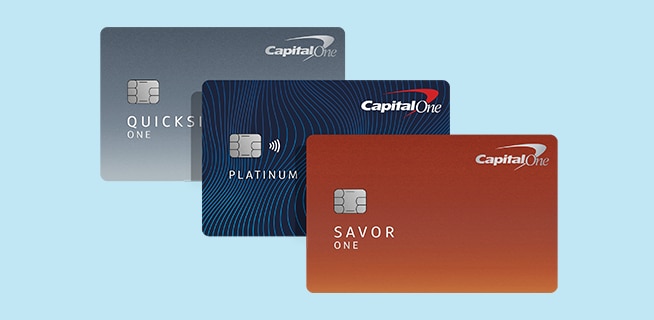
If you’re trying to get a credit card, understanding your credit scores and the application requirements can help you narrow down your options. If you’re ready to explore your credit card options, you could compare credit cards from Capital One. Once you’re ready, you can see whether you’re pre-approved before you apply.
Compare cards and explore digital features from Capital One
If you’re new to credit or searching for your next credit card, Capital One can help.
-
If you’re looking to build your credit with responsible use, explore cards for people with fair credit.
-
Earn rewards on every purchase, every day, with a cash back rewards card.
-
Monitor your credit with CreditWise. It’s free, even if you’re not a Capital One cardholder.