What is a good credit score?
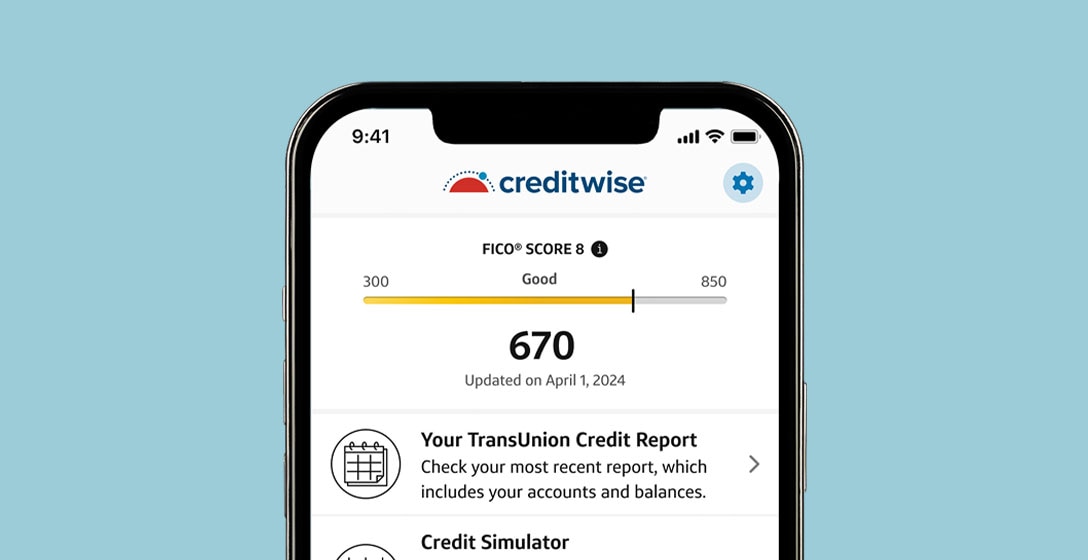
What’s considered a good credit score depends on where a score comes from, who calculates it and who judges it. For example, credit-scoring company FICO® says good credit scores start at 670.
Take a closer look at credit scores, including how they’re determined, who’s looking at them, the benefits of having a good score, and what you can do to monitor and improve yours.
What you’ll learn:
-
Credit-scoring companies, such as FICO and VantageScore®, calculate credit scores using different models.
-
FICO says good credit scores fall between 670 and 739.
-
VantageScore says good scores fall between 661 and 780.
-
Having good credit scores could help you qualify for better interest rates, higher credit limits and more.

What is a good FICO score?
FICO says a good score falls between 670 and 739. Scores in that range are near or slightly above the U.S. average credit score, which was 714, according to the most recent data. FICO credit scores range between 300 and 850, with scores into the following five categories:
- Exceptional: 800-850
- Very good: 740-799
- Good: 670-739
- Fair: 580-669
- Poor: 579 or less
FICO also has consumer credit scores tailored to different industries, such as auto and mortgage lending. These industry-specific scores range from 250 to 900, but the same range of 670 to 739 is still considered good.
What is a good VantageScore score?
According to VantageScore, a good credit score—also referred to as prime—falls between 661 and 780. For VantageScore 3.0 and 4.0—the most commonly used models—scores range between 300 and 850 and fall into four groups:
- Superprime: 781-850
- Prime: 661-780
- Near prime: 601-660
- Subprime: 300-600
What affects your credit scores?
FICO and VantageScore use similar factors to calculate credit scores, like:
-
Payment history: This factor looks at whether you’ve paid your past and current credit accounts on time. It’s typically the most influential part of your score.
-
Current debt: This measures both how much you owe and how much you owe compared with your available credit limits. FICO calls it amounts owed. VantageScore accounts for debt in two categories: balances and available credit.
-
Credit mix: This shows how successfully you can manage different types of credit, like revolving credit and installment loans.
-
Credit age: Scoring models look at the length of your credit history, including how long your accounts have been open, to see how you’ve managed credit over time. VantageScore typically combines this factor with your credit mix and calls it depth of credit.
-
New credit applications: Applying for a new credit card or loan usually triggers a hard inquiry on your credit reports, which can temporarily lower your score. VantageScore refers to this activity as recent credit.
What factors don’t impact credit scores?
Most credit-scoring models don’t consider certain information unless it’s part of your credit reports, such as:
-
Your age, race, nationality, sex, gender or marital status
-
Where you live and work
-
Your income, your job or whether you’re employed
-
Whether you receive public assistance
-
Political or religious affiliations
The benefits of a good credit score
Because credit scores are based on information in your credit reports, higher credit scores are a sign of a healthy financial history. The benefits of a good credit score can include:
-
Lower interest rates on mortgages, credit cards and other loans
-
Higher credit limits
-
Lower insurance premiums
-
Fewer up-front costs on utilities, cellphones and more
-
Increased likelihood of getting approved for a rental if the property manager reviews credit scores
-
Improved chance of getting a job if the company looks at credit scores
Ways to build good credit scores
Building and maintaining good credit scores comes down to using credit responsibly over time. Here are some things the Consumer Financial Protection Bureau (CFPB) says you can do:
-
Pay your bills on time. Consider setting up automatic payments or electronic reminders to help you remember to make on-time payments.
-
Stay below your credit limit. Experts recommend keeping your credit use—which can be represented by your credit utilization ratio—below 30% of your available credit across all your credit card accounts.
-
Apply only for the credit you need. If you apply for multiple credit cards and loans over a short period, credit card issuers and other lenders may see it as a red flag.
-
Check your credit reports for errors. Monitoring your credit can help you detect fraud and track your progress as you build credit. One tool that can help is CreditWise from Capital One. It’s free to use—even if you don’t have a Capital One credit card. And using CreditWise won’t affect your credit scores. You can also get free copies of your credit reports by visiting AnnualCreditReport.com.
Good credit scores FAQ
What is a good credit score for my age?
Age isn’t a factor when calculating your credit scores. This means that regardless of how old you are, a good credit score falls between 670 and 739 according to FICO and between 661 and 780 according to VantageScore.
According to 2025 data from Experian, average credit scores tend to increase as you get older. Here are the average credit scores by generation to serve as a benchmark for how yours compares with others in your age group:
|
Average credit score by generation |
|
|
Silent Generation (80+) |
760 |
|
Baby boomers (61-79) |
747 |
|
Generation X (45-60) |
709 |
|
Millennials (29-44) |
689 |
|
Generation Z (18-28) |
678 |
What is a good credit score for buying a house?
Many conventional mortgages require you to have at least a 620 credit score, but other government-provided loans may have lower credit score thresholds. Having better credit scores can improve your chances of being approved for a mortgage with better terms.
What is a good credit score for buying a car?
There’s no minimum credit score requirement to purchase a car, but having a good FICO score of at least 670 or a prime VantageScore score of at least 661 could help you qualify for more competitive financing options.
Key takeaways: What is a good credit score?
What’s considered a good credit score may vary among scoring companies and lenders. FICO says scores between 670 and 739 are good. And VantageScore says the equivalent, which it calls prime scores, falls between 661 and 780.
If you’re looking to build or improve your credit scores so they fall into the good or prime categories, you can compare Capital One credit cards for fair and building credit scores. You can also see if you’ll be approved for card offers with 100% certainty. It’s quick, only requires some basic info and won’t hurt your credit scores.