What is a FICO® score, and why is it important?

A FICO score is a type of credit score lenders typically use to judge things like credit and loan applications. FICO is one credit-scoring company (VantageScore® is another). And its scores, like all credit scores, depend on a lot of variables, including when and how a score is calculated.
What you’ll learn:
-
A FICO score takes information from credit reports and turns it into a three-digit number to represent creditworthiness.
-
FICO produces multiple formulas, called credit models, to calculate credit scores.
-
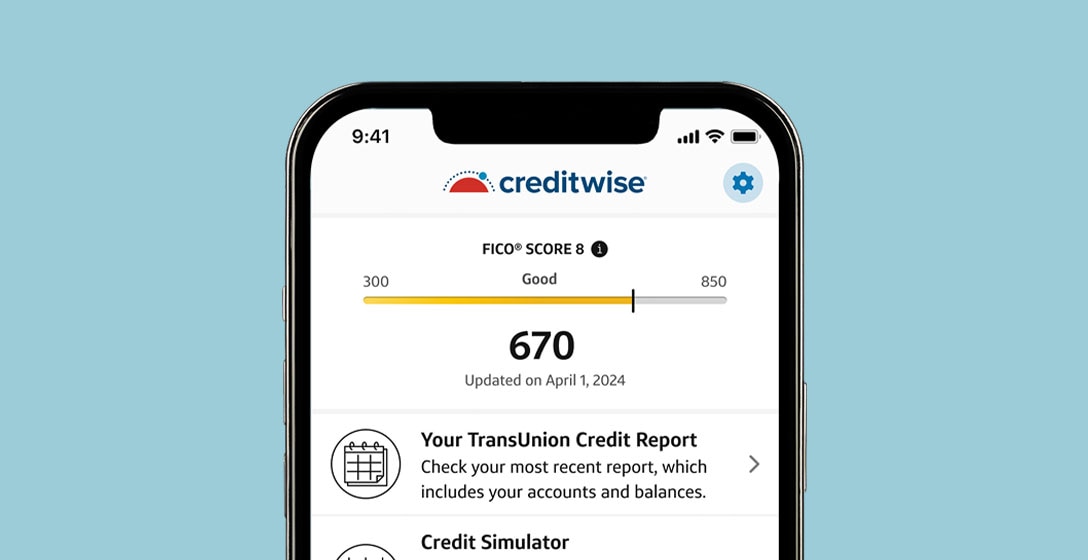
FICO’s most popular scoring models produce scores that range from 300 to 850.
-
FICO scores are calculated based on payment history, amounts owed, length of credit history, credit mix and new credit applications.
What is a FICO score?
A FICO score is a three-digit number based on credit history and activity that indicates a prospective borrower’s creditworthiness. FICO is the name of the company that produces these credit scores. The company’s original name was Fair Isaac Corp., but it shortened its name to FICO in 2009.
FICO has multiple scoring models. Many lenders still use the FICO Score 8 model, but FICO Score 9 and FICO Score 10 are more recent releases. Each model is a bit different, so you may see differences in your scores depending on which scoring model is used.
What are the FICO score ranges?
FICO’s most commonly used scores range from 300 to 850. The higher the score, the more favorable a borrower might look to a lender.
FICO says the national average FICO score is 715. And here’s how it says the rest of its scores might be viewed:
-
Poor: Scores between 300 and 579
-
Fair: Scores between 580 and 669
-
Good: Scores between 670 and 739
-
Very good: Scores between 740 and 799
-
Exceptional: Scores above 800
FICO says a credit score in the poor range means your score is well below average, and most lenders will likely see you as a high-risk borrower. On the other hand, if you have exceptional scores, you’re more likely to receive favorable interest rates and loan terms.
Why is your FICO score important?
According to FICO, 90% of top lenders use them for their lending decisions. That means your FICO score may be used for reference when you try to buy a house, rent an apartment, lease a car or get a credit card.
If your scores are deemed too low, lenders may not be willing to approve you for credit. If your application is approved, your credit scores could affect the interest rates and terms you’re offered. Higher interest rates could mean you pay more over the life of a loan.
How are FICO scores calculated?
FICO uses five factors to calculate scores, weighing each differently based on perceived importance:
-
Payment history (35%): The more reliable you are with paying off the money you owe on a loan or line of credit on time, the higher your scores may be.
-
Credit utilization ratio (30%): Your credit utilization ratio is the amount of revolving credit you use compared to how much you have available. The lower your credit utilization ratio, the higher your scores could be.
-
Length of credit history (15%): The length of your credit history refers to the age of your credit accounts. Generally, the longer a person’s positive credit history, the better.
-
Credit mix (10%): Your credit mix is the various types of credit accounts you use. A healthy mix might include revolving credit, such as credit cards, and installment loans, such as a mortgage.
- New lines of credit (10%): FICO says applying for credit can have a temporary negative effect on scores. That’s because it involves a hard inquiry, which can stay on your credit reports for up to two years. But FICO only considers inquiries from the past 12 months.

Key takeaways: What is a FICO score?
Credit scores are used by lenders to assess the risk level and creditworthiness of borrowers, and many lenders use FICO scores. You can check your credit score and review your credit report using CreditWise from Capital One. It’s free to use, and it won’t hurt your credit scores.
No matter where you are in your credit journey, Capital One has cards that may meet your needs. You can get started by seeing whether you’re pre-approved with no harm to your credit scores.