Does an overdraft affect your credit scores?

Overdrafts aren’t typically reported to the major credit bureaus, so they shouldn’t affect your credit scores. But if you leave an overdraft unpaid, it may be sent to collections. And that can hurt your credit.
What you’ll learn:
-
Overdrafts don’t typically affect credit scores.
-
Overdraft protection lets you cover potential overdrafts with a transfer from another account. Or your bank may cover the transaction and charge an overdraft fee.
-
Capital One eliminated all overdraft fees for its consumer banking customers, but it still provides overdraft options.
What is an overdraft and how does it work?
An overdraft happens when you spend more than you have in your bank account and your bank pays the difference instead of declining it. This results in a negative balance.
Transactions that could trigger an overdraft include:
-
Checks
-
Debit card purchases
-
Automatic payments
-
ATM transactions
-
Electronic or in-person withdrawals
Some banks charge overdraft fees, and others have reduced or eliminated them. Capital One doesn’t charge overdraft fees.
What is overdraft protection?
Some banks offer overdraft protection to cover transactions when a checking account has insufficient funds. It helps prevent declined transactions or returned checks by using funds from a prelinked account like a savings account or credit card.
Some banks cover shortages when they happen, then charge the overdrawn amount plus an overdraft fee. Depending on the bank, this may be known as overdraft coverage or overdraft privilege.
Capital One account holders can opt in for overdraft protection at any time and choose their overdraft preference. If customers aren’t enrolled, transactions that would result in a negative balance are declined, and no fees are charged.
How overdrafts may affect your credit
An overdraft typically doesn’t affect your credit scores unless the unpaid balance is sent to collections. Checking account activity isn’t generally reported to the major credit bureaus, so an overdraft won’t appear in your credit reports.
But an overdraft could affect your credit scores if:
-
You have overdraft protection, and transferring funds from another account raises your credit utilization ratio.
-
You self-report alternative data to the credit bureaus to help increase your credit scores.
What is ChexSystems?
A consumer reporting agency called ChexSystems collects information about deposit accounts like checking and savings accounts. Banks and credit unions may use ChexSystems reports when deciding whether to approve a new deposit account.
ChexSystems differs from the major credit bureaus by focusing on banking history rather than loans or credit cards. Your ChexSystems report won’t typically affect your credit scores.
A ChexSystems report may include activities like:
-
Overdrafts and bounced checks
-
Account openings and closings
-
Account applications
-
Suspected identity theft
Overdrafts and credit FAQ
Here are some common questions about overdrafts and credit.
Can you overdraft a credit card?
You can’t overdraft a credit card. As part of overdraft protection, you may be able to link a credit card to your bank account to cover any transactions that go over your account balance.
Credit cards typically have a credit limit. If you try to go over it, your card could be declined or the transaction may go through and result in things like fees and a negative impact on your credit scores.
Capital One usually doesn’t charge over-the-limit fees. View important rates and disclosures. And eligible cardholders can sign in online to check whether their purchases might be approved if they exceed their credit limit. You can also disable the ability to spend over your credit limit in your over-limit preferences.
Does opening a checking account affect your credit scores?
Opening a checking account doesn’t typically affect your credit scores, because checking account activity generally isn’t reported to the three major credit bureaus.
Key takeaways: Overdrafts and credit
An overdraft doesn’t usually affect your credit scores. But if you wait too long to resolve it and the account goes into collections, your credit scores could be affected.
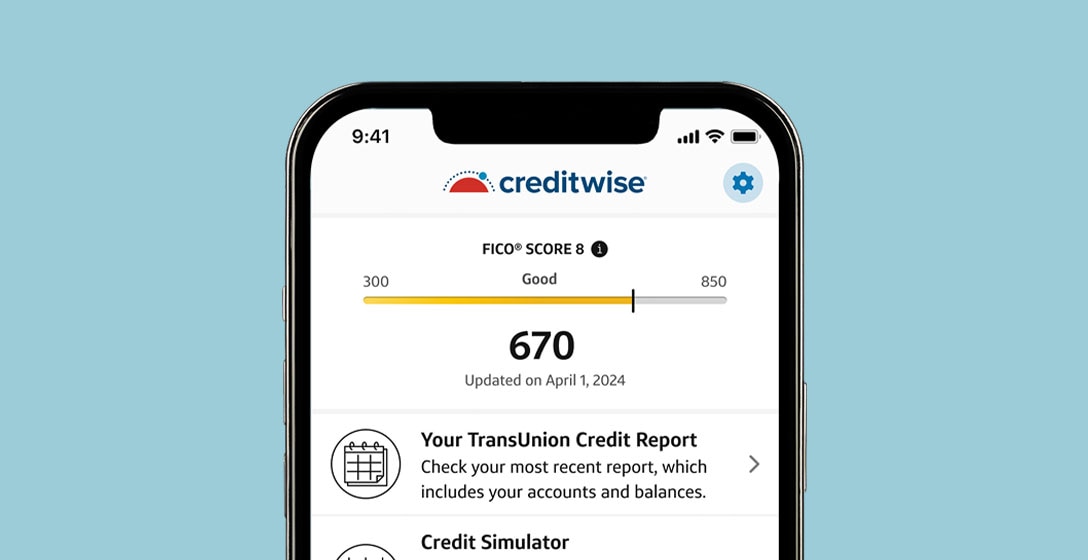
You can monitor your credit score with CreditWise from Capital One. It also offers free access to your credit report, a credit simulator, and credit and dark web monitoring. You can also request free copies of your Equifax®, Experian® and TransUnion® credit reports by visiting AnnualCreditReport.com.