What does a suspended credit card mean?

When a credit card is restricted or suspended, it means the credit card issuer has temporarily limited, locked or frozen the account. Credit card charges might be declined if your credit card has been suspended, but it doesn’t mean the account has been closed.
Find out why a credit card account might be suspended or restricted. And learn about potential fixes and impacts on credit scores.
What you’ll learn:
-
Your credit card might be suspended because a new card hasn’t been activated, there have been unusual transactions, payments have been late or you’ve exceeded your credit limit.
-
You can contact your credit card issuer to learn why your card has been suspended.
- Credit card suspension may not affect your credit scores directly. But scores could be affected by the same factors that cause a suspension, such as late payments.
Why was your credit card suspended?
Here are a few reasons a credit card may be suspended:
-
Fraud: If there are suspicious transactions or fraud, your card could be suspended to help avoid charges you didn’t authorize.
-
Late payments: Making at least the minimum payment on time every month could help ensure your card remains active.
-
Overspending: Making a purchase that exceeds your credit card limit might prevent you from using your card until you pay down your balance.
- Card activation: If you receive a new card and don’t activate it, the issuer may eventually suspend or even close your account.
What should you do if your credit card has been suspended?
If your card’s been suspended, you can contact your credit card issuer. They should be able to tell you why it was suspended and what options you have.
Capital One cardholders can sign in to their account to check the status of their card.
If you’ve missed payments, you might need to pay the overdue amount or ask about other payment arrangements. If you’ve reached your credit limit, you may need to pay down your outstanding balance before you can use your card again.
Does a suspended credit card affect credit scores?
Having your credit card suspended typically won’t directly impact your credit scores. But if your card was suspended because of late payments, those late payments could affect your scores.
Payment history is a major credit-scoring factor. Late credit card payments can stay on credit reports for up to seven years after they’re reported. And if you don’t catch up on payments, your account may become delinquent, which can also hurt your scores.
In some cases, credit card suspension could also lead to the account being closed. That may affect multiple credit-scoring factors, including credit age, credit mix and credit utilization ratio.
If your card is suspended due to fraudulent charges, it shouldn’t negatively impact your credit scores. And with Capital One’s $0 fraud liability, you’re not responsible for unauthorized charges if you notify Capital One in a timely manner. The Federal Trade Commission recommends reporting lost or stolen cards to the issuer immediately.
How can you avoid credit card suspension?
To avoid having a card suspended, here are some steps you can take:
-
Make payments on time. Late or missed payments can cause your card to be suspended. And missing payments for an extended period could lead to a permanent suspension of your account.
-
Keep an eye on your spending. Paying close attention to your balance can help you avoid a credit card suspension related to exceeding your credit limit.
-
Monitor your account. Depending on your issuer, you might be able to sign up for notifications about suspicious transactions, such as large or unusual purchases. Capital One provides alerts and other security tools to help you spot unauthorized charges.
- Communicate with your issuer. If you’re planning to travel abroad or make an unusually large purchase, notifying your card issuer beforehand can help prevent your card from being flagged for suspicious activity or temporarily suspended. Capital One and some other issuers don’t require it. But it’s worth checking your issuer’s policies.
Suspended credit card FAQ
Here are some frequently asked questions about suspended credit cards:
How can I get my suspended credit card reinstated?
Whether a suspended credit card can be reinstated depends on the issuer’s policies and the circumstances of the suspension. Contact your issuer to learn why your card was suspended and what you can do to reactivate your account.
What is a delinquent credit card?
A credit card account could be considered delinquent when a payment is late. Depending on how late the payment is, the issuer might report the account to the credit bureaus. Eventually, the issuer could close the account and send the credit card debt to collections.
Key takeaways: Suspended credit cards
Credit card suspensions can happen for a variety of reasons, including expired cards, suspected fraud, late or missed payments, and exceeded credit limits.
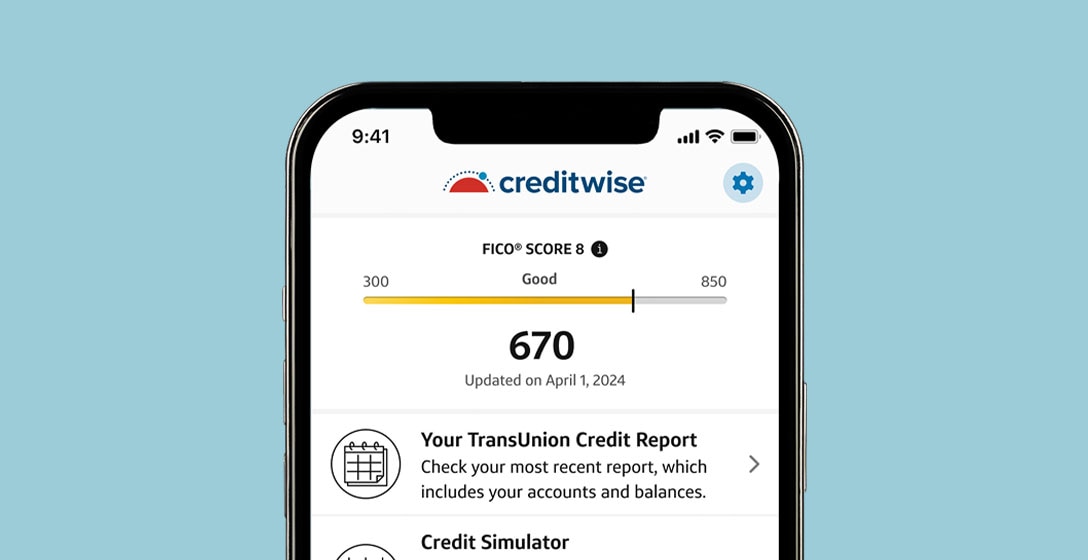
If you want to dig deeper into your credit, you can request free credit reports from AnnualCreditReport.com. You can also sign up for CreditWise from Capital One. It’s free for everyone, even if you don’t have a Capital One credit card. It has tools to help you understand your credit score, keep up with changes to your credit report and monitor your personal information. And using CreditWise won’t affect your credit scores.