How do I check my credit score?

You can use several free methods to check and monitor your credit scores. This can help you stay on top of your financial health and understand your chances of getting approved for credit applications.
What you’ll learn:
-
There are numerous free ways to check your credit score, including CreditWise from Capital One.
-
Credit reports are a record of a borrower’s credit history, credit activity and more.
-
The information in credit reports is used to calculate credit scores.
-
Credit scores can change and differ depending on when they’re calculated and what scoring model, information and data are used in the calculation.
How to check your credit scores
There are a number of ways to check your credit scores for free, including to:
Check with your credit card issuer
According to the Consumer Financial Protection Bureau (CFPB), “many major credit card companies and other lenders provide credit scores for their customers. The score could be listed on your monthly statement or can be found by logging in to your account online.”
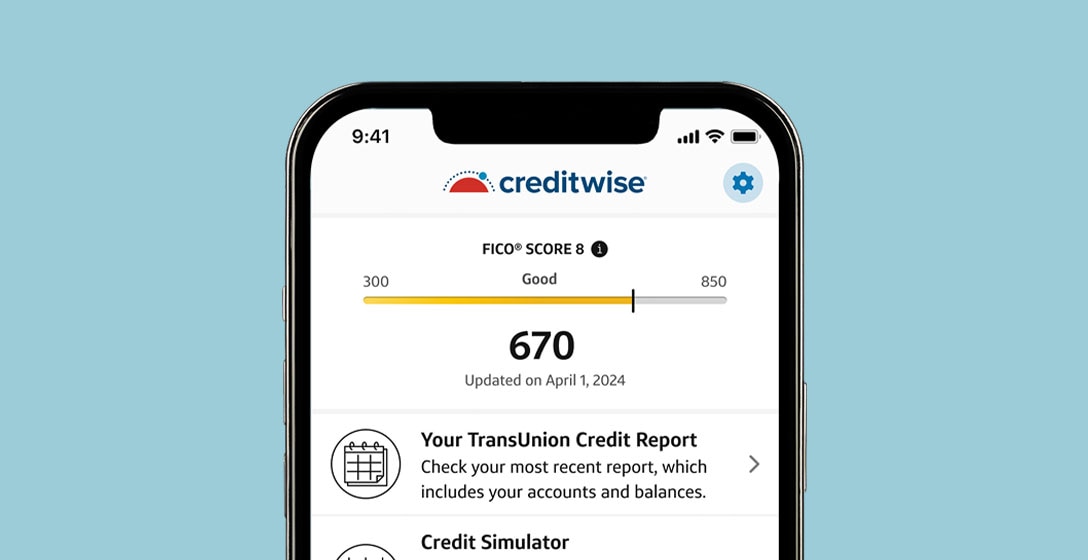
For example, you can check your credit using CreditWise. It’s free, even if you're not a Capital One cardholder. And using CreditWise won’t affect your credit scores.
Check with the credit bureaus
CreditWise provides a TransUnion® credit report. But two other major credit bureaus (Experian® and Equifax®) also compile credit reports that might be used to calculate your credit scores.
Use other online resources
You could also research other free online options for checking your credit score. If you do, make sure they’re trustworthy and not a scam.
Talk with a credit counselor
Another way to access your credit scores is to meet with a nonprofit credit counselor. These counselors may be able to access your credit scores and review them with you for free.
Credit score vs. credit report
Credit reports and credit scores are related, but they’re not the same thing. Here are a few basics about how they work.
-
Credit scores: Credit scores are three-digit numbers that lenders use to judge creditworthiness and predict how likely a person is to pay their debts on time. As the CFPB explains, “Your credit scores are calculated based on the information in your credit report.”
-
Credit reports: These statements detail your credit history, including information about your credit activity, your payment history and the status of your credit accounts. Each credit bureau generates its own credit report, and the information in reports may be slightly different depending on what information bureaus include.
- Credit-scoring companies: Companies like FICO® and VantageScore® calculate credit scores using the information in credit reports.
How to get your credit reports
You can access free credit reports through AnnualCreditReport.com. You can also request your reports by calling 877-322-8228.
CreditWise checks your TransUnion and Experian credit reports for important changes, and lets you review your credit report.
Why credit scores and monitoring are important
Your credit is important because lenders use it to determine whether to approve loan applications and to set interest rates and terms. So the better your credit, the better your chances of qualifying for credit cards, mortgages and other loans—and the better your rates and terms might be.
Monitoring your credit scores can help you know where you stand. But it’s important to note that decisions about loan applications or credit cards are ultimately up to each lender. And because there are multiple scores and reports out there, what you see in the reports and scores you’re given might not be exactly the same as what lenders use to judge creditworthiness.
If you’re looking to improve your credit scores, monitoring your credit can also help you track your progress and see where there might be room for improvement.
Will checking your credit scores hurt your credit?
Checking your scores won’t affect your credit, as long as the credit-monitoring service uses a soft inquiry—like CreditWise does. That’s why you can use CreditWise to check your credit as often as you like, without hurting your credit scores.
How credit scores are calculated
The process for calculating credit scores can get a little complex. According to the CFPB, “Each credit score depends on the data used to calculate it, and it may differ depending on the scoring model (which itself may depend on the type of loan product the score will be used for), the source of the data used, and even the day when it was calculated.”
Generally speaking, your credit scores are based on these factors from your credit reports:
-
How you’ve managed your bill payments
-
The amount of unpaid debt you have
-
The type of credit accounts you have
-
How long you’ve had your credit accounts
-
The amount of available credit you’re using
-
How many new credit applications you’ve had
-
Collections, foreclosures or bankruptcies, and when they occurred

Key takeaways: How to check your credit scores
Knowing how to check your credit scores and get copies of your credit reports is an important part of managing your finances. Monitoring your credit can help you better understand what lenders see when they review your credit.
To access your credit score and credit report, consider signing up for CreditWise. CreditWise is free, even if you’re not a Capital One cardholder. And with the CreditWise Simulator, you can see the potential impacts of several financial decisions on your credit score before you make them.