Maxed-out credit card? Here’s what can happen and what to do
When you max out a credit card, you’ve reached or exceeded your credit limit. And that could mean you’re not able to use your card until you reduce your balance. It could also have effects on your credit scores.
What you’ll learn:
-
A maxed-out credit card can lead to declined purchases, lower credit scores and higher monthly credit card payments.
-
You can manage a maxed-out card by paying down the balance on your card and creating a budget to help keep track of your spending.
-
It may be possible to pay off a maxed-out card more quickly by consolidating your debt or transferring the balance to a new card with a lower interest rate.
What happens when you max out your credit card?
At first, it may seem like maxing out a credit card is merely an inconvenience. But a maxed-out card could create issues for your credit.
Here’s a look at what may happen when you max out a credit card.
Transactions may be declined
Some credit card issuers decline transactions when cardholders reach their credit limit. You may be able to continue using your card beyond your limit, but only if you’ve agreed to participate in your credit card issuer’s over-the-limit coverage program.
If your account is eligible, you can use Capital One’s Confirm Purchasing Power tool to see whether an over-limit purchase may be approved. You can also disable the ability to spend over your credit limit by signing in to your account.
Your credit scores may go down
Maxing out your credit card can lead to a high credit utilization ratio. This is the percentage of how much credit you’re using versus your total available credit. The Consumer Financial Protection Bureau (CFPB) recommends keeping your credit utilization ratio below 30% to avoid a possible negative impact on your credit scores.
Having lower scores due to maxing out a credit card could result in a credit or loan application being denied. Or, if you’re approved, it could mean paying a higher interest rate.
Your minimum payments will be higher
Your minimum payment is usually calculated based on your monthly balance. So if your credit card is maxed out, your balance could be high enough to raise your minimum monthly payment.
If you’re not able to pay your balance in full, making at least the minimum monthly payment on your credit card can help you avoid penalties and fees. You can minimize or avoid interest charges if you’re able to pay more than the minimum.
Your interest rates could increase
When you max out a credit card or exceed your credit limit, your credit card issuer might raise your interest rate for that card. This is commonly known as a penalty rate.
You might get charged a fee
Some card issuers may charge an over-limit fee if you’ve maxed out your card. Capital One doesn’t charge these fees, but you should check with your card issuer to understand the terms of its over-the-limit coverage program.
What to do if you max out a credit card
Now that you know how a maxed-out credit card can affect your credit score and financial situation, you may wonder what you can do to get things back on track.
Here are four ways you can work toward lowering the balance on a maxed-out credit card.
1. Stop using the card
If you’ve maxed out a credit card, your issuer might prevent you from using the card. If you’re still able to use it, doing so could put you even further into debt. In this situation, it can help to stay aware of your card’s balance and track your expenses to avoid nonessential purchases.
2. Pay down the balance
If you’re unable to pay off your credit card in full every month, you can still aim to pay more than the minimum payment to help lower your balance and minimize interest charges.
3. Create a budget
Setting up a budget can help you track your income and monthly spending, which could make it easier to identify and cut unnecessary expenses. It can also help you plan for monthly bills, including your credit card payments, and set spending limits.
4. Consider support options
If you feel stuck and aren’t sure where to start, the CFPB says “credit counseling organizations can advise you on your money and debts” among other services.
The Capital One Money & Life Program could also be helpful. It’s not a credit counseling service, but the program offers self-guided exercises, one-on-one mentoring and on-demand workshops to support your financial well-being. It’s free, whether you’re a Capital One cardholder or not.
Maxed-out credit card FAQ
Still have questions about maxing out a credit card? Here are some answers.
Is it bad to max out a credit card?
Maxing out a credit card could negatively affect your credit scores by raising your credit utilization ratio.
Can I still use my credit card if it’s maxed out?
In many cases, you can’t use a maxed-out credit card for any new purchases since your card may be declined at checkout. You may need to use another payment method until you’ve paid down the balance.
Can you go over your credit card limit?
Whether you’re able to go over your credit limit typically depends on how you’ve set up your card’s over-limit feature with the card issuer. You may be required to agree to certain fees if you exceed your limit.
Key takeaways: Maxed-out credit cards
Maxing out a credit card can affect both your finances and your credit health. It can trigger declined transactions, hurt your credit score and increase your minimum monthly payments. But there are ways to get back on track, like sticking to a budget and working to pay off your credit card balance in full every month.
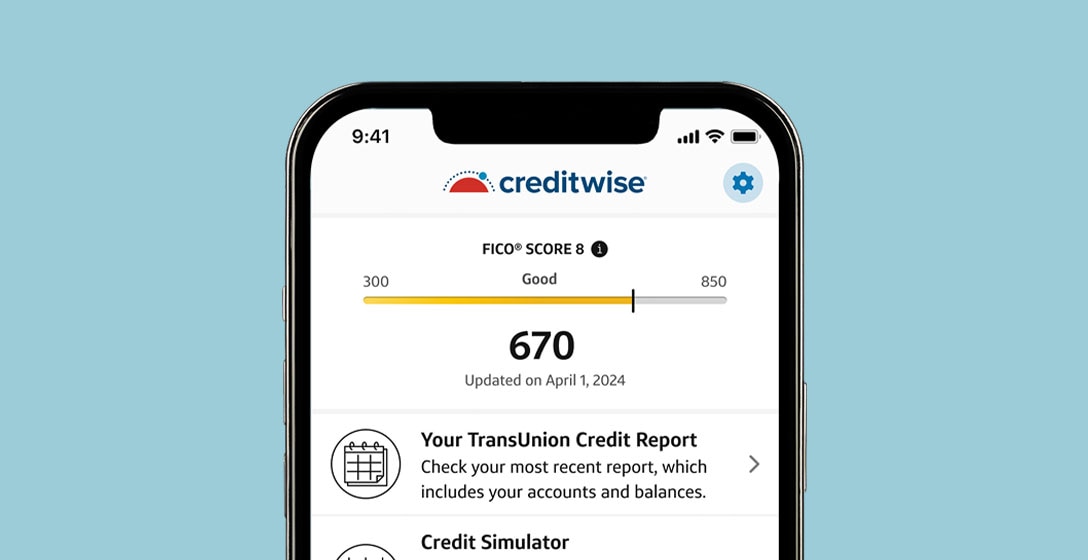
If you’re worried about how a maxed-out card could impact your credit score, you may want to sign up for CreditWise from Capital One. With CreditWise, you can monitor your credit health for free without hurting your credit scores. And CreditWise is free to use, even if you’re not a Capital One cardholder.