Fair Credit Reporting Act (FCRA): What you need to know

The Fair Credit Reporting Act (FCRA) is a U.S. federal law regulating how credit reporting agencies (CRAs) handle personal and financial information. The law aims to promote accurate credit reporting while protecting consumer privacy rights.
What you’ll learn:
-
The FCRA helps protect the fairness, accuracy and privacy of consumer credit information.
-
The FCRA protects consumers by requiring CRAs to handle any disputes, ensure accuracy and restrict access to consumer information.
-
Anyone looking to access consumer credit reports must have a legally acceptable reason to obtain the information.
-
The Federal Trade Commission (FTC) and the Consumer Financial Protection Bureau (CFPB) enforce the FCRA.
What is the Fair Credit Reporting Act?
The FCRA establishes rules for credit bureaus, such as Equifax®, Experian® and TransUnion®, regarding the collection, sharing and use of consumer credit information. Enacted in 1970, the law is designed to protect consumers by safeguarding their privacy and promoting the accuracy and fairness of the information contained in their credit reports.
The FCRA requires landlords, lenders, insurers, employers, creditors and other businesses to have a legally permissible purpose to access your credit reports. In some cases, businesses may also need your written consent before reviewing your credit information, particularly for employment-related purposes.
The law also gives consumers the right to dispute inaccurate information and file complaints with the FTC and the CFPB against agencies, organizations or businesses that misuse their information. Understanding and protecting your credit information is important because it can affect your ability to qualify for loans, housing and other services.
How does the FCRA protect consumers?
The FCRA protects consumers in several ways, including:
-
Adverse action notice: If your credit report is being used by a business or person to evaluate your creditworthiness, you must be told if the application is denied or if any other adverse action is taken. You should also be provided the name, address and phone number of the agency that provided the information.
-
Right to dispute errors: If you find and report information in your credit report that is incomplete or inaccurate, CRAs are required to investigate the claim.
-
Right to access: Every consumer has the right to request any and all information about them in their reports. You can get one free credit report every 12 months from each credit bureau by visiting AnnualCreditReport.com. If you are a victim of identity theft or are unemployed while job seeking, you may also have access to a free credit report.
-
Protection against identity theft: You can request a fraud alert or a security freeze to limit access to your credit report unless you’ve given permission for it to be shared. This protection can help prevent identity thieves from opening new lines of credit or taking out new loans in your name.
All the above rights are protected by law. This means if a rule or regulation under the FCRA is violated, you may have the right to file a lawsuit in state or federal court.
What are the FCRA requirements for reporting agencies?
The FCRA outlines several operational and compliance requirements for CRAs, including:
-
Ensuring accuracy: Information that’s incorrect or incomplete should be removed or corrected. And typically, this must be done within a month. CRAs shouldn’t report negative information that’s more than seven years old. Agencies also shouldn’t report bankruptcies that are over 10 years old.
-
Restricting access: Unless the business or person has a legally permissible reason to view your credit report, access to your information is limited.
-
Handling disputes: The FCRA requires CRAs to investigate disputes involving inaccurate or incomplete information at no cost to the consumer and, in most cases, within 30 days. If the disputed information can’t be verified, the reporting agency must update or remove it from the consumer’s credit report.
Consumers may also include a statement in future reports explaining unresolved disputes. -
Providing consumers with disclosures and access: The FCRA requires disclosure of information contained in a consumer’s credit files—including medical information—upon their request. This includes one free credit report annually. Consumers may also request their credit scores, although CRAs may charge a reasonable fee for providing them.
Key takeaways: Understanding the FCRA
It’s important to understand your rights as a consumer under the FCRA. It’s also essential to have a clear understanding of how the information in your credit file is used, how it informs business decisions and how it might affect your financial opportunities.
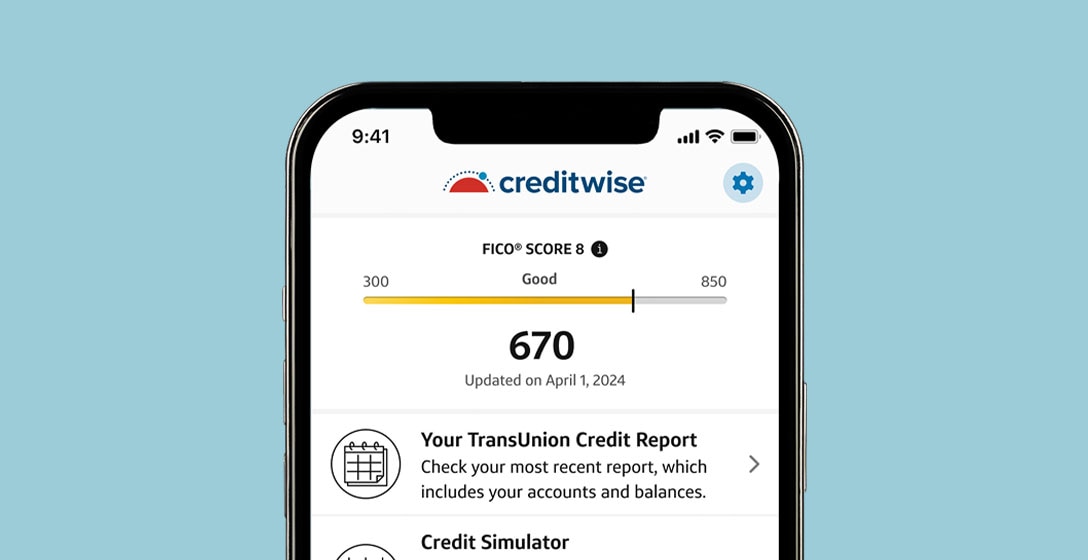
Staying on top of your finances can help create a healthy financial track record and credit history, which ultimately will impact your credit scores. With CreditWise from Capital One, you can access your credit score and report for free anytime without negatively impacting your scores. CreditWise is free, even if you don’t have a Capital One credit card.