What is a balance transfer and how does it work?

A balance transfer involves moving debt from one account to another. It’s typically done to secure a lower interest rate, which can help the borrower save money and pay off debt.
Balance transfers tend to happen with credit card debt. But you might also be able to consolidate student loans, car loans or personal loans.
This guide offers a closer look at balance transfer credit cards, potential benefits and things to consider.
What you’ll learn:
-
A balance transfer credit card can help you consolidate debt from multiple cards, simplify payments and potentially pay less interest.
-
Card issuers may charge a flat balance transfer fee or a percentage of the transferred amount.
-
If you’re considering transferring a credit card balance, you might budget and compare options based on fees, promotional rates and promotional periods.
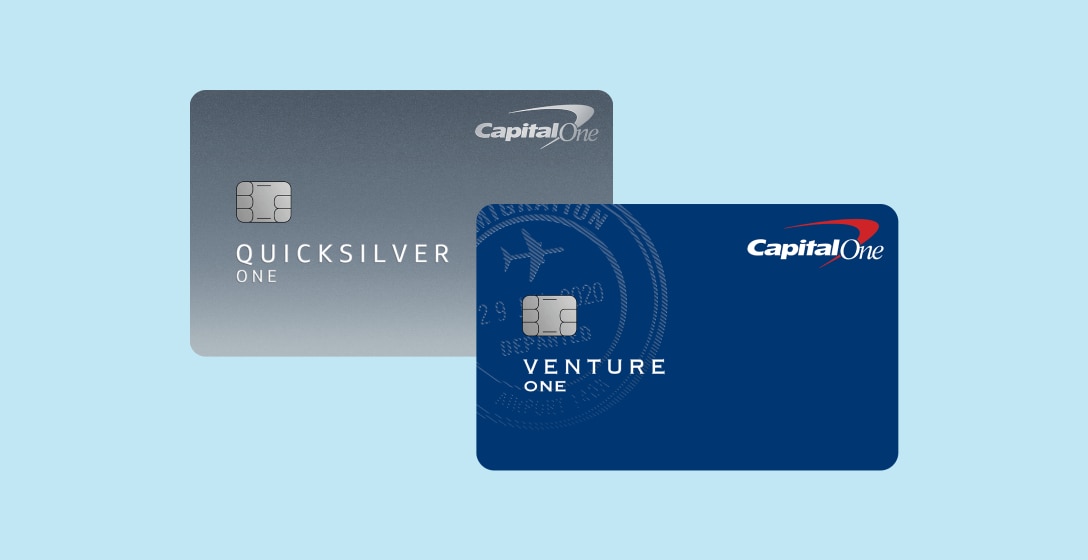
What is a balance transfer credit card?
A balance transfer credit card lets you move debt from one credit card or multiple credit card accounts to another account. But it isn’t a special type of card. It’s any credit card that you can use to consolidate or transfer debt.
A common feature of balance transfer cards is a limited-time low annual percentage rate (APR) for new purchases or balance transfers. If a promotional rate is tied to a new card offer, it might be called an introductory rate, or intro rate.
A balance transfer credit card can help you:
-
Pay down debt faster. When used responsibly, a balance transfer credit card could help you pay down debt faster and help you save on the total cost of the debt. This is because the money you pay on a balance transfer credit card goes toward the principal instead of the principal plus interest.
- Streamline your monthly payments. A balance transfer can be helpful if you want to consolidate multiple debts into a single monthly payment.
How do balance transfer credit cards work?
When debt moves to a balance transfer credit card, it’s added to the account balance. Once the debt is transferred, the card works like most other credit cards in that you can make purchases up to a certain credit limit and pay the balance down repeatedly.
Transferring a balance doesn’t eliminate the credit card debt. But ideally, the new account has better repayment terms, a lower interest rate or both.
How to choose a balance transfer credit card
Balance transfer offers vary depending on the credit card issuer, the card and the applicant. Here are some factors to consider when choosing a balance transfer credit card:
-
Promotional APR periods: Longer promotional periods can mean more time to repay high-interest debt without additional interest charges. The exact terms depend on the card, but as a general idea, promotional APRs typically last 12-21 months.
-
Standard interest rates: Regular interest rates generally apply to balance transfers and new purchases after the introductory period ends. So if you plan to keep using the card after repaying the transferred debt, you could look for a card with a lower APR or interest rate.
-
Credit score requirements: If you have good credit scores or excellent credit scores, you’re more likely to qualify for a card offering a longer promotional APR period. Lower credit scores may still qualify for a card with an introductory rate, but the promotional interest window may not be as long.
-
Potential fees: Credit card issuers may charge a flat balance transfer fee or a percentage (about 3% to 5%) of the transferred amount. And some cards may also charge an annual fee. So the projected savings on interest charges should ideally outweigh these potential costs.
- Transfer terms: Most credit card issuers only allow cardholders to transfer external credit card balances, meaning you typically can’t transfer balances between cards from the same issuer. And generally, balance transfers can’t be more than the credit limit on the new credit card account.
How to do a balance transfer on a credit card
Some issuers allow balance transfer requests during the card application process. Others require the account to be open for a specified amount of time.
Read on to learn how to do a balance transfer on a credit card. Or learn about transferring balances to your Capital One card.
1. Decide how much to transfer
Knowing your total balances and their interest rates can give you an idea of the credit limit you’ll need for a balance transfer card and whether you’re getting a better rate. If there is a balance transfer limit, knowing it can help you prioritize which debts to transfer first if you can’t do them all at once.
2. Apply for a balance transfer credit card
Many issuers have online applications for balance transfer credit cards. As with other credit card applications, you’ll be asked to provide some basic information, including your name, address, income and Social Security number (SSN).
3. Initiate the balance transfer
You can request a balance transfer during or after the application process—depending on the issuer’s policies—by providing the details of the account you wish to transfer from and how much of the debt you want to move.
4. Wait for the balance transfer to go through
While you wait for the transfer to process, you may need to continue paying at least the minimum amount due. If you transferred a full credit card balance, make sure the account is zeroed out to avoid interest charges and missed payments.
5. Start paying off the balance
While a low introductory APR can help save you money on interest charges, be sure to make payments on time every month if you want to keep the account in good standing and avoid late fees and penalties.
Balance transfer credit card FAQ
Still curious about balance transfers? The answers to the following frequently asked questions might help.
Do balance transfers impact your credit score?
Opening a balance transfer credit card may affect your credit scores for a number of reasons. Just like applying for other credit cards, it can trigger a hard inquiry that can cause a small but temporary drop in your credit scores. Balance transfers could also lower the average age of your credit accounts, which is something lenders look at when assessing your creditworthiness.
But when done responsibly, using a balance transfer card to pay down credit card debt can have a positive impact on your credit scores by decreasing the total amount you owe on your accounts.
Can a balance transfer be denied?
Lending decisions are ultimately up to the individual credit card issuers. An issuer could deny a balance transfer for reasons such as:
- The proposed transfer amount exceeds the transfer limit or the credit limit on the card.
- The transfer attempt was initiated outside the transfer window outlined in the card’s terms.
- An existing account isn’t in good standing.
- The proposed transfer is to another account from the same credit card issuer. Most issuers don’t allow balance transfers from different internal accounts.
Can you get a balance transfer card if you don’t have good credit?
If you have what’s considered a bad credit score, it might be harder to qualify for a balance transfer credit card with a low APR.
How long does a balance transfer take?
Balance transfers typically take five to seven days, according to Bankrate. But it could take longer, depending on the issuer’s policies and processes.
Key takeaways: Balance transfer credit cards
A balance transfer could help you streamline your finances, consolidate debt and save money on interest charges. But before applying for a balance transfer credit card, it can be helpful to consider factors like the length of the introductory APR period, balance transfer fees and other card terms.
Considering applying for a balance transfer credit card? Learn about Capital One balance transfer credit cards.
You can also:
-
See whether you’re pre-approved without hurting your credit scores.
-
Explore travel and miles rewards credit cards with unlimited miles you can actually use.
-
Earn cash back on every purchase, every day, with a cash rewards credit card.
- Earn cash back, whether you’re going out or staying in, with a dining and entertainment credit card.