What is a secured loan?
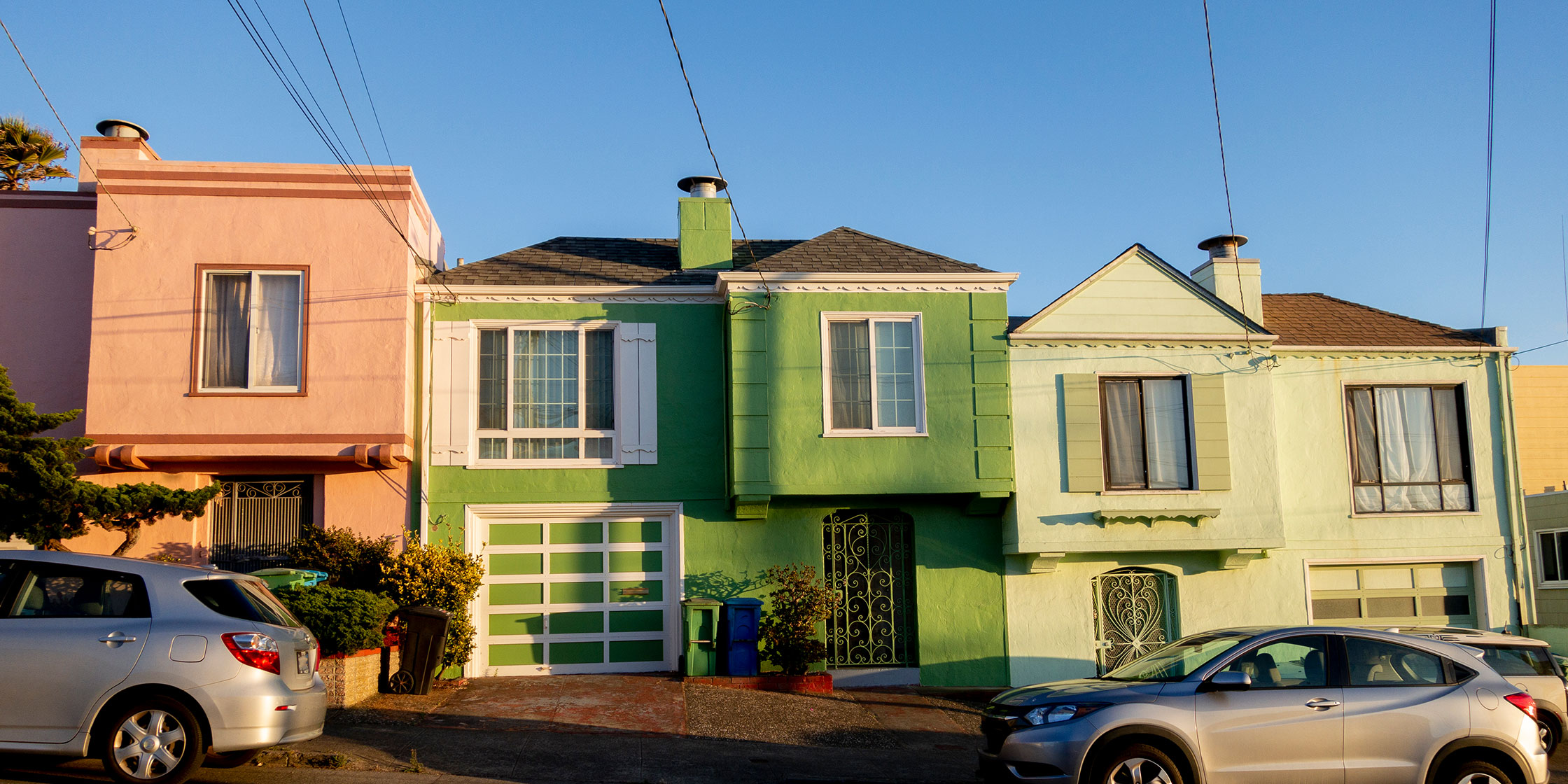
A secured loan is a type of loan where a borrower uses an asset to back, or secure, the loan. If the borrower can’t repay the secured loan, the lender can take the asset. Mortgages and car loans are two common examples of secured loans.
What you’ll learn:
-
Secured loans are backed by the borrower’s assets, called collateral. Collateral may include physical assets, such as a house or a car, or liquid assets, such as cash.
-
If the borrower defaults on a secured loan, the lender can seize the collateral to cover their losses.
-
Some examples of secured loans include mortgages, car loans, home equity lines of credit (HELOCs) and secured credit cards.
- Because of the collateral, secured loans may have lower interest rates and higher loan amounts and may be easier to qualify for than unsecured loans.

How does a secured loan work?
A secured loan is a type of loan that’s backed by collateral. That collateral can be either:
-
Physical assets: Examples include vehicles, homes and other property.
-
Liquid assets: These might be investments or cash.
With a mortgage or car loan, for example, the loan is typically secured by the house or car you bought with it.
When a borrower takes out a secured loan, they agree to let the lender place a lien on their collateral. If the borrower defaults on their secured loan, meaning they didn’t repay it as agreed, the lender can take the collateral.
Secured loans vs. unsecured loans
The main difference between secured and unsecured loans is whether they require collateral. Secured loans require the borrower to back the loan with an asset, like a car, house or cash. Unsecured loans don’t require collateral.
Lenders generally consider secured loans to be less risky than unsecured loans. And because unsecured loans aren’t backed by collateral, they typically have stricter eligibility requirements, such as high credit scores, compared with secured loans.
Types of secured loans
How each secured loan works can vary by lender, loan type and more. But what all secured loans have in common is that they require some kind of collateral.
Secured loans fall into two primary categories: installment loans or revolving credit. Installment loans are closed-ended, meaning the borrower receives a lump sum and repays it through regular monthly payments over a set term. Revolving accounts are open-ended, allowing the borrower to use, pay down and reuse the credit line repeatedly.
Examples of secured installment loans
These are closed-ended agreements where you borrow a specific amount and pay it back over a fixed timeline.
-
Mortgage: Real estate acts as collateral.
-
Auto loans: The vehicle being purchased secures the debt.
-
Home equity loans (HEL): A one-time lump sum secured by your home’s equity.
-
Secured personal loans: Often backed by a savings account or CD.
-
Secured business loans: Backed by company assets or equipment.
- Car title loans: High-interest, short-term loans secured by the vehicle’s title. High-interest, short-term loans secured by the vehicle’s title.
Examples of secured revolving credit
These are open-ended lines of credit that you can draw from, repay and reuse as needed.
-
Secured credit cards: Require a cash security deposit that typically acts as the credit limit.
-
HELOCs: A variable-rate line of credit secured by home equity.
-
Life insurance loans: Borrowing against the cash value of a permanent life insurance policy.
- Secured lines of credit: Business or personal lines backed by specific collateral (like inventory or securities).
Pros and cons of secured loans
Secured loans can have some notable benefits. But like all debt, those benefits depend on the terms of the specific loan and whether it’s used responsibly. Here are a few potential pros and cons to consider when it comes to secured loans:
| Pros | Cons | |
| Rates and risk | Lenders may offer lower interest rates on secured loans than on unsecured loans, but not always. Make sure to read all loan terms carefully before applying. | If a borrower defaults on a loan, the lender can take the collateral to cover the unpaid debt. If a borrower defaults on a mortgage, for example, it can lead to home foreclosure. |
| Loan amounts | Secured loans are often used to fund a large purchase, such as a house or car, and may have higher borrowing limits compared with unsecured loans. | With secured loans, the value of the collateral may limit how much can be borrowed. |
| Eligibility | Secured loans may be easier to qualify for than unsecured loans. Borrowers may be able to get a secured loan with a lower credit score. | Applying for a secured loan can include a credit check and additional steps to verify the value of the collateral. |
| Credit effects | With responsible use, secured loans may offer a chance to build credit. Responsible use includes consistently making payments by the due date. | As with any loan, if the borrower fails to pay back a secured loan as agreed, it could negatively impact credit. |
Avoiding default on a secured loan
Defaulting on a loan can have negative effects on your credit and finances. But there are steps you can take before and after taking out a secured loan that may help you avoid default:
-
Review loan terms. Before you take out any kind of debt, comparing your options and making sure you understand all the terms can help you make the choice that’s best for you. Consider looking at interest rates, repayment terms and fees.
-
See whether you’re pre-approved. Checking before you apply could help you figure out the loan amount you’re likely to qualify for and avoid unnecessary hard inquiries.
- Don’t wait to get support. If you’re struggling with loan payments, the Consumer Financial Protection Bureau (CFPB) says to contact your lender right away. They may have options to help you make your payments. For trouble with mortgage payments, the CFPB also recommends getting assistance from a local housing counseling agency approved by the Department of Housing and Urban Development.
Secured loans FAQ
Here are answers to some frequently asked questions about secured loans:
What credit score is needed for a secured loan?
There’s no one-size-fits-all answer for what credit score you need to get a secured loan. Each lender has its own criteria. Plus, lenders may consider factors outside of credit scores.
Are secured loans a good idea?
Whether a secured loan is a good idea depends on your circumstances and financial goals. Secured loans, such as mortgages or auto loans, can help people make major purchases they might otherwise be unable to afford on their own.
Are secured loans bad for credit?
Credit scores are complex and take many factors into account. Payment history can be a major factor in calculating your scores. In fact, it’s the most significant factor that impacts your FICO® score, accounting for 35%. Making consistent, on-time payments on a secured loan may help improve your credit scores.
Taking out a secured loan will increase your total debt, which can also affect your credit scores. FICO says total debt constitutes 30% of your score. A secured loan may also help diversify your credit mix, which FICO says makes up 10% of your score.
Key takeaways: secured loans
Secured loans require the borrower to back the loan with collateral, like a car, home, investments or cash. Mortgages and car loans are two common types of secured installment loans. Secured credit cards are an example of a secured revolving credit account.
Secured credit cards can be tools for building or establishing credit. And with responsible use, cardholders may be able to earn their security deposit back and upgrade to an unsecured credit card.
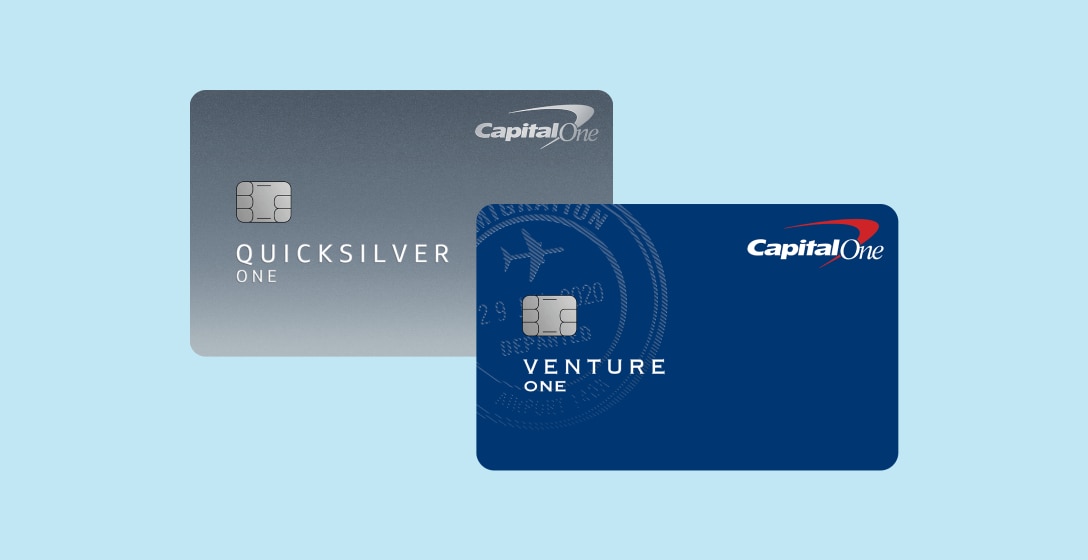
If you want to explore some options, you can compare credit cards from Capital One and check whether you’re pre-approved. Pre-approval is quick and won’t hurt your credit scores.