What is FICO® Score 8?

FICO is a popular credit-scoring company. Its FICO® Score 8 is the credit score most widely used by lenders.
Learn about how FICO Score 8 is calculated, when it’s used and how it differs from other credit scores.
What you’ll learn:
-
FICO Score 8 is a credit score widely used by lenders to review applications for credit.
-
Like other credit scores, FICO Score 8 is based on information in credit reports.
-
FICO Score 8 ranges from 300 to 850.
-
FICO Score 8 is a base score, a general-purpose score for things like credit cards and personal loans.
- FICO also has industry-specific scores tailored to certain loans. There are also credit scores from other companies, such as VantageScore®.

What is a FICO Score 8?
FICO Score 8 is one of FICO’s base credit scores, which means it isn’t designed for a specific type of credit. Like other base credit scores, FICO Score 8 ranges from 300 to 850.
How is FICO Score 8 calculated?
FICO Score 8 weighs information from five categories to come up with a specific score.
-
Payment history (35%): Whether you make payments on time for credit cards, auto loans, mortgages and more
-
Amounts owed (30%): How much money you owe across your credit accounts and how much of your total available credit you’re using
-
Length of credit history (15%): How long you’ve had your credit accounts open and how long it’s been since you’ve used them
-
New credit (10%): Whether you’ve opened multiple new credit accounts in a short period of time
- Credit mix (10%): What different types of credit you have including credit cards, personal loans, mortgages and more
What is FICO Score 8 used for?
Lenders and other businesses can decide whether to use a certain type of credit score to help make lending and other decisions. FICO says FICO Score 8 is the “score most widely used by lenders.”
But lenders could use other FICO scores or credit scores from another company, such as VantageScore.
How FICO Score 8 is different from other FICO score versions
When FICO Score 8 was released in 2009, it included several changes from previous base FICO score versions related to credit utilization, late payments and collections. Since then, FICO has released more base scores.
FICO Score 8 vs. FICO Score 9
Lenders can use both FICO Score 8 and FICO Score 9 to evaluate applications for credit cards, auto loans and personal loans. But according to Bankrate, FICO Score 9 is more forgiving, because:
-
Unpaid medical bills could have less impact on scores.
-
Rent payment history may be factored into scores if landlords report payments to the credit bureaus.
-
Debts in collections aren’t considered once they’re paid off.
FICO Score 8 vs. FICO Score 10
The FICO Score 10 suite was built off of previous versions and includes FICO Score 10T, which incorporates individual credit trends. This trended data looks at behavior over time rather than a narrow look at the time credit data is pulled.
Industry-specific FICO scores
FICO also has industry-specific scores. These versions function similarly to its base scores, but they’re designed for specific types of credit reviews. For example, lenders considering credit card applications might use FICO Bankcard Score 8. And FICO Auto Score 8 might be used for auto loans.
Industry-specific FICO scores have a broader range from 250 to 900.
Which credit score is most important?
The credit score that matters most is the one a lender uses to evaluate your application for things like credit cards and auto loans. While you might not know which credit score the lender will use, keep in mind that all credit scores are generally calculated using information from your credit reports.
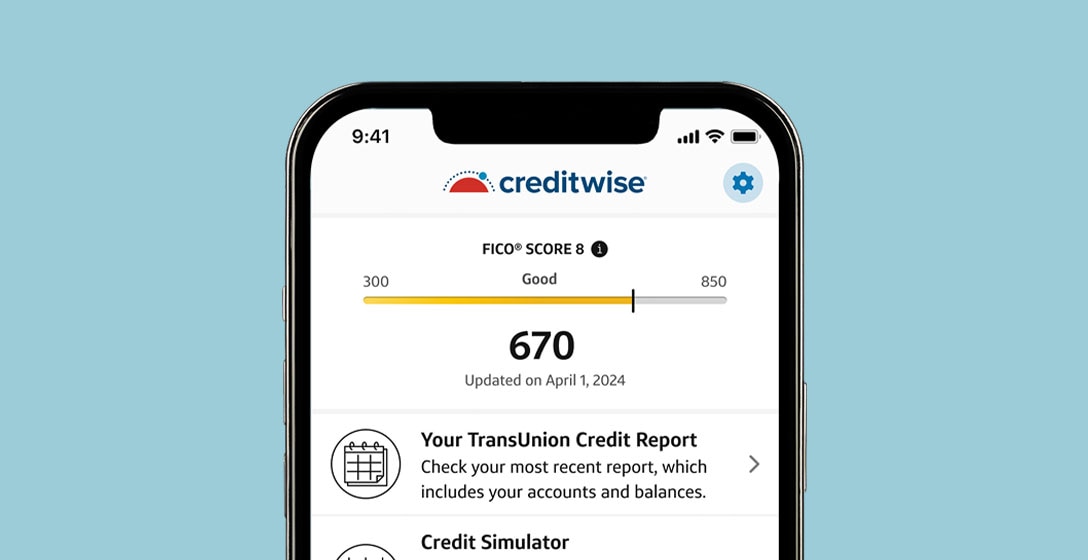
That means monitoring your credit with a tool like CreditWise from Capital One could give you an idea about where you stand. CreditWise is free, and using it won’t affect your credit scores.
Key takeaways: FICO Score 8
FICO Score 8 is one type of credit score that lenders use to assess credit risk. Like other types of credit scores, FICO Score 8 is calculated using information from credit reports.
If you’re ready to apply for a credit card, you could compare Capital One cards and see whether you’re pre-approved. It’s quick, and it won’t hurt your credit scores.