Can you pay student loans with a credit card?

Federal student loan servicers and many private lenders don’t accept credit card payments toward student loans. And while it may be possible to pay your student loans with a credit card using a workaround, doing so could be costlier and have implications for your credit score.
Here’s what to know about the risks of paying your student loans with a credit card—and alternative methods to consider.
What you’ll learn:
-
The Consumer Financial Protection Bureau (CFPB) strongly advises against using a credit card to pay student loans.
-
There are potential risks to using credit cards to pay student loans, including the added cost of higher interest rates and fees, a negative impact on credit scores, and loss of repayment relief options and tax benefits.
-
If you’re struggling with student loan payments, there are alternative options to consider instead of using a credit card.
Risks of paying student loans with a credit card
The CFPB makes its opinion pretty clear: “Don’t use credit cards…to pay off student loans. Credit cards will cost you way more in interest.”
Although workaround methods may let you use a credit card to pay down your student debt, there can be downsides:
-
Higher interest rates: The APR for credit cards is often higher than that of student loans, meaning you could end up paying more in interest.
-
Fees: Whether you’re moving your debt or paying with a cash advance or third-party service, there are usually transfer or processing fees to consider.
-
Impact on credit scores: Using a credit card for student loans could affect a number of credit-scoring factors. For example, moving large student loan debt to your credit card could have a negative impact on your credit score by increasing your credit utilization ratio.
-
Loss of repayment plans and relief: Federal student loans may offer benefits to borrowers in the form of loan deferments, forbearance, consolidation and forgiveness. But those programs may not be available if you transfer your loan balance to a credit card.
-
Loss of tax deductions: Paying down federal student loans normally allows you to deduct student loan interest from your federal income tax returns. Some private loans may qualify, too. But interest payments on credit cards aren’t tax-deductible.
-
Likely not worth the rewards: Maybe you’re considering using a balance transfer to reap credit card rewards for future purchases. But any rewards you earn could be outweighed by credit card interest if you’re still making payments on the transferred loan after any promotional period ends.
Alternatives to paying student loans with a credit card
There are several strategies to repay student loans. If you’re having trouble keeping up with your student loan payments, you might want to explore the following options before you pay with a credit card:
-
Repayment plans: There are various repayment options for federal student loans. If you find that one repayment plan isn’t working for you, the Department of Education says you can switch to another repayment plan for free at any time.
-
Forbearance: If you’re experiencing a period of financial hardship, you might be able to apply for forbearance to temporarily suspend or reduce payments. There are forbearance options for federal student loans. And you can ask your lender about options if you have private student loans. But your loan may continue to accrue interest during forbearance. And some forbearance agreements could affect your credit scores.
-
Federal consolidation: You might be able to combine several federal loans into one. It’s a specific type of student loan that could simplify and lower your monthly payments. But it might also extend your repayment term, which could mean paying more in the long run. Additionally, you may no longer be eligible for loan forgiveness programs after consolidation.
-
Private refinancing: By refinancing your loan with a private lender, you may be able to get a new loan with a lower rate. Private refinancing may allow you to combine multiple loans—both private and federal. But other loan terms may change, and you could also lose benefits.
-
Other relief options: If you have a private student loan, you can try reaching out to your lender and explaining your situation. In some cases, they might be able to offer other relief options.
Key takeaways: Paying student loans with a credit card
While technically possible, paying student loans with a credit card requires workarounds and could hurt your credit scores, lead to higher interest rates, and jeopardize access to repayment plans and relief programs.
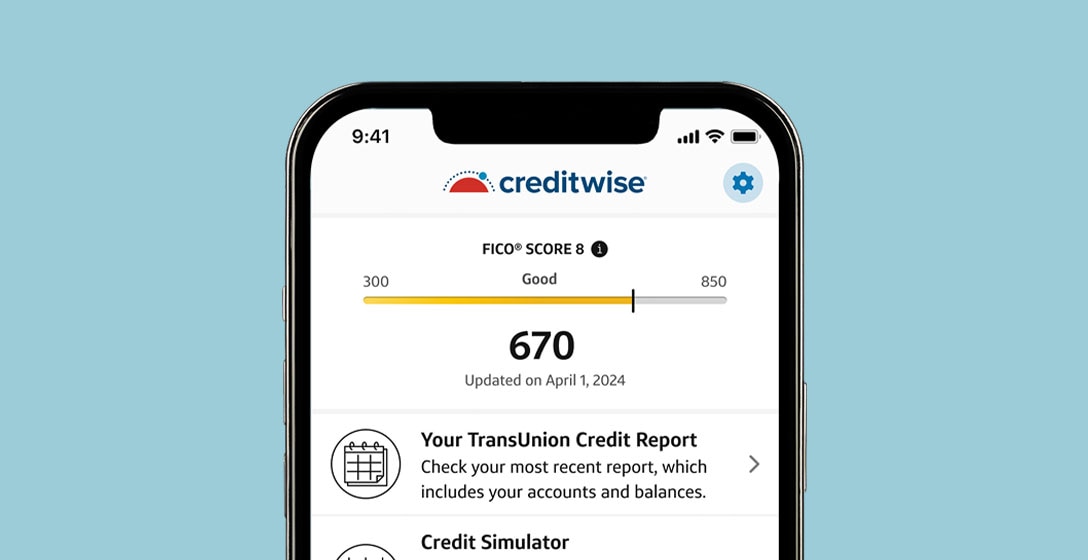
You can keep an eye on how credit card use affects your credit by regularly checking your credit scores and reports. CreditWise from Capital One is one way to monitor your credit. It’s free—even if you’re not a Capital One cardholder. And you can use the CreditWise Simulator to explore how certain financial decisions could affect your credit.