What is a credit reference and why would you need one?

A credit reference is a document detailing an individual’s creditworthiness and financial history. It typically includes information like the person’s credit score, payment history and outstanding debts.
Lenders, landlords, utility companies and employers may request a credit reference to help evaluate the risk of offering someone credit, a lease or a job. One common example of a credit reference is a credit report. But in some cases, credit references are statements or letters.
What you’ll learn:
- The most common types of credit references are credit reports, asset documents and character references.
- Credit references are often part of applying for a credit card, loan or rental.
- You could get a credit reference by authorizing a credit check, requesting a copy of your credit report, or asking a previous lender or landlord for a credit reference letter.
Types of credit references
There are a few types of credit references, including credit reports, asset documents and character references. Here’s some more detail on what they are, who requests them and where their information comes from.
Credit reports
Credit reports detail a person’s credit history and activity, including the types of debt they have and their payment history. Credit reports are the most common type of credit reference. When you apply for credit, a lender will typically review your credit reports when deciding whether to approve the application. This is called a hard inquiry.
Asset documents
Asset documents list a person’s financial assets. Potential lenders and investors may require these documents. Assets could include:
- Bank accounts, like checking and savings accounts
- Investments, like retirement accounts and stocks
- Property, like a home or car
Character references
Character references are people who are qualified to speak about a person’s financial habits. They could include previous landlords, employers or lenders.
A character reference might provide information about the length and nature of their relationship with the applicant, as well as details about the applicant’s payment history.
When you might need a credit reference
Here are a few situations where credit references may come into play.
- Lending: Credit card issuers, banks and other financial institutions may use credit references to assess an applicant’s creditworthiness. Typically, this will look like the lender performing a hard inquiry and reviewing the applicant’s credit report.
- Rental properties: Landlords may use credit references to get a sense of whether bills are likely to be paid on time. They may review credit reports or ask for references from previous landlords, for example.
- Utility companies: A utility company may review your credit when you set up a new account. According to the Federal Trade Commission, your credit history can affect things like whether you have to pay a deposit.
- Jobs: Employers may request credit references to see how an applicant has managed their finances in the past. This can be especially relevant for jobs in the financial industry, but it could be part of the hiring process regardless.
How to get a credit reference
Lenders, employers, utility companies and other entities may request a credit reference after getting your permission. You may also obtain a credit reference for yourself by getting a copy of your credit reports or asking for a character reference letter. You can request free copies of your credit reports by visiting AnnualCreditReport.com.
If you reach out to someone for a character reference, taking time to understand what the request should include and whether there’s a formal process can help you get what you need. You may be able to request a reference letter from a financial institution, landlord or employer.
Key takeaways: Credit references
A good credit reference could help you build a strong application for credit, a rental or a new job. Regularly monitoring your credit can help you know where you stand and see how different actions affect your credit scores. Plus, keeping an eye on your credit can help you stay proactive against fraud.
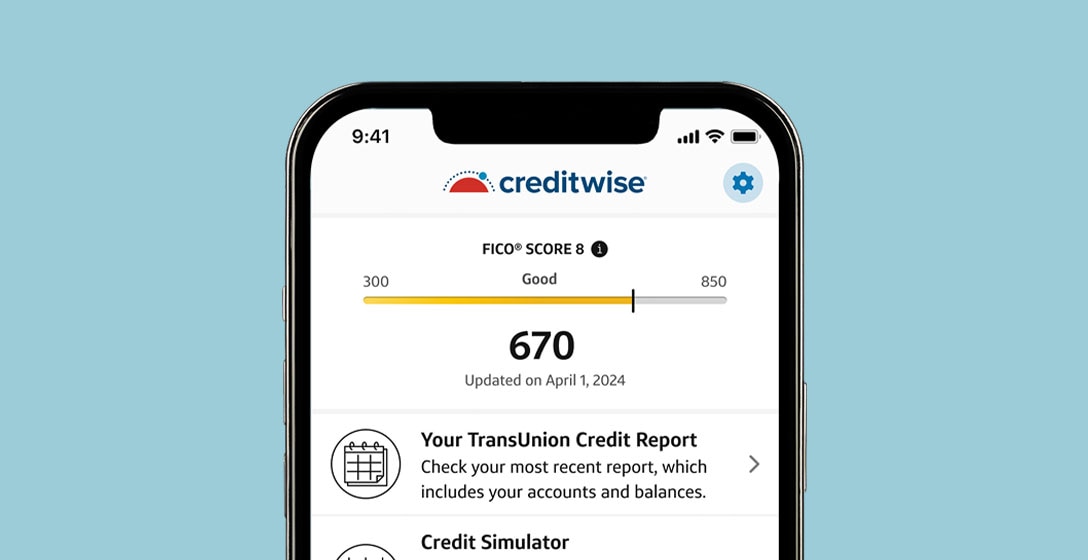
One way to easily track your credit report and score is with CreditWise from Capital One. Using CreditWise won’t hurt your credit score. And it’s free to use, even if you’re not a Capital One cardholder.