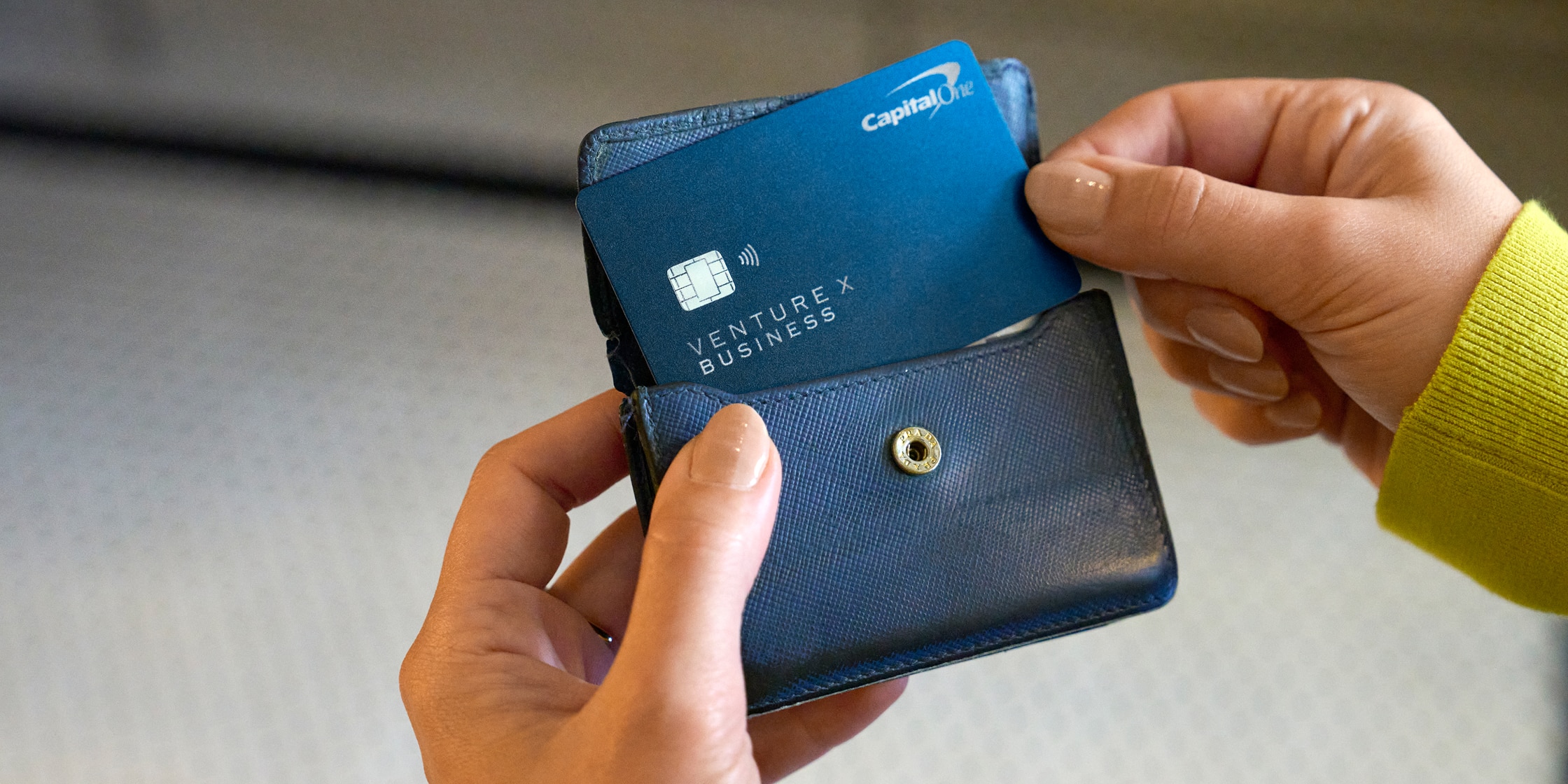
Business credit cards and personal guarantees
Many business credit cards require a personal guarantee, especially for new or smaller businesses. A personal guarantee helps reduce the risk to the card issuer by making the owner responsible for the debt if it can’t be repaid by the business.
A business credit card can be a useful tool for accessing capital, tracking business expenses and potentially earning rewards. But it’s important to understand how personal guarantees work, when they apply, and what you can do to minimize your liability.
What you’ll learn:
-
Business credit cards are designed to help businesses with capital and expense tracking but often require personal guarantees from business owners.
-
A personal guarantee on a business credit card may take effect if you miss payments or default.
-
Personal guarantees give the lender the legal right to pursue your personal finances to cover any outstanding debt.
-
You can help reduce personal risk when opening a business credit card with a smart financial management strategy that includes tracking authorized users and limiting credit usage.
What is a personal guarantee on a business credit card?
A personal guarantee is a legal promise from a borrower to a lender to repay a business credit obligation if the business can’t. It means you’re personally liable for the debt, often risking personal assets like savings or property.
How does a personal guarantee work?
A personal guarantee can be enforced if you fall behind on payments or default on the card agreement. While the card is issued to the business, the guarantee allows creditors to seek repayment from the owner’s personal finances or assets.
Generally, there are two types of personal guarantees—limited and unlimited—and the personal liability clause in your contract should explain your liability level.
-
Limited personal guarantee: Typically, limited liability means you’ll only be responsible for a set dollar amount of a defaulted account.
-
Unlimited personal guarantee: In general, unlimited liability indicates you may be responsible for the full account balance plus any additional fees.
Remember that personal guarantees usually only come into effect if the account is past due or goes into default. If you default on an account, both your personal and business credit scores could be negatively impacted.
Why do business credit cards require a personal guarantee?
Business credit cards typically require personal guarantees to help reduce the risk level presented to card issuers. For example, if a business closes, personal guarantees may help ensure the card issuer still has a chance to recoup its losses on any outstanding balance.
Are there business credit cards with no personal guarantee?
Yes. While many business credit cards require a personal guarantee, some options don’t. Some cards may use corporate liability rather than a personal guarantee. Be sure to check your card’s terms, conditions and eligibility requirements to determine how your card works.
What types of businesses typically have to provide personal guarantees?
Any type of business may be required to provide a personal guarantee, depending on the business credit card and issuer. But card issuers typically consider certain organizations higher risk, such as:
-
Start-ups
-
Sole proprietorships
-
Smaller businesses
-
Businesses with limited credit history
3 ways to minimize personal liability
If you’re thinking about applying for a business credit card to help you better manage your business expenses, support your business’s growth, and potentially earn rewards for your business spending, you can take measures to minimize your liability. The following steps may help protect your personal assets and keep your risk low.
-
Only make purchases you can afford. Consider charging only what you can pay in full each month. Keeping your balance low has some benefits, like minimizing interest charges. It can also reduce your personal risk since the account is less likely to default.
-
Look for a card with an introductory APR offer. Some business credit cards may offer a low or 0% annual percentage rate (APR) for a limited time when you first become a customer. Using a business credit card with a 0% introductory APR may be a smart way to finance purchases that will take several months to pay off, as long as you pay the balance in full before interest begins accruing.
-
Monitor authorized user spending. It’s common for business owners to issue employee cards to key team members to make important purchases. If you do this, keep track of their spending and set a limit on their cards. With multiple people on the account, the balance may quickly exceed what you’d anticipated. Setting authorized user limits can help keep the balance within your budget.
What happens if you can’t pay your business credit card?
If you can’t pay at least the minimum payment for your business credit card, there can be potential repercussions, including:
-
A hit to your credit score: If the card has a personal guarantee, missed credit card payments may be reported to business and personal credit bureaus. Since payment history is a major factor in credit scoring, missing business credit card payments can lead to a drop in both your personal and business credit scores.
-
Potential fees or higher interest rates: You might get charged late payment fees, and the card issuer may apply a penalty APR until you’ve proven you can make payments on time.
-
Legal action filed against your business: If the debt is several months past due or involves a large balance, the credit card issuer might take legal action in an attempt to collect the unpaid debt. When a personal guarantee is involved, the issuer could pursue legal action against you individually. A judgment in the issuer’s favor can allow them to use legal collection methods like wage garnishment or liens.
If you think you might have an issue paying an upcoming credit card bill, contact your card issuer to learn what your options might be.
Key takeaways
A business card can help business owners track expenses and sometimes even earn rewards on everyday business purchases. But if it requires a personal guarantee, you may be putting your personal assets at risk if the business defaults.
There are ways to minimize personal liability. Examples include managing your business spending, monitoring employee card use, and considering cards with low or 0% introductory APRs.
If you’re ready to take the next step, compare Capital One business cards for the terms and benefits that best suit your business. You can see whether you’re pre-approved first, with no impact on your personal credit score.