How Databolt is securing the future of AI with tokenization
At AWS re:Invent 2025, Capital One Software shared how it's helping enterprises unlock AI potential securely.
AI is reshaping how businesses innovate, but it comes with a data dilemma. Data is the fuel that powers AI’s insights, yet the risks of exposure, bias and misuse can stall adoption.
At AWS re:Invent 2025, Capital One Software’s Srikanth Venkat and Vinayak Hulawale presented on how enterprises can confidently test, train and deploy AI models using tokenized data—keeping innovation moving without putting sensitive information at risk.
The AI data dilemma
Most enterprises are aggressively investing in AI with research by Boston Consulting Group showing that 75% of executives rank AI as a top-three priority. From accelerating coding tasks to revolutioning customer engagement, the potential is enormous. But the value of AI is only as strong as the quality and completeness of the data behind it.
Yet much of that data remains out of reach. Seagate Technology reports that nearly 70% of enterprise data goes unused, often due to security concerns, data quality issues or compliance complexity. As data breaches continue to rise, with thousands reported annually, many organizations feel forced to make the tradeoff between innovation and risk. But forward-looking enterprises are proving it’s possible to have both.
By adopting modern data security techniques—like tokenization, encryption and dynamic masking—businesses can separate the value of their data from its risk. This multi-layered approach preserves utility, protects sensitive information and unlocks AI innovation while keeping customer trust and data integrity intact.
Tokenization explained
To make data usable and secure, organizations need a way to protect sensitive values without breaking the data structures that power analytics and machine learning. While tokenization originated in payment systems, it has evolved to protect a wide range of sensitive data such as Personally Identifiable Information (PII), Protected Health Information (PHI), financial records and more.
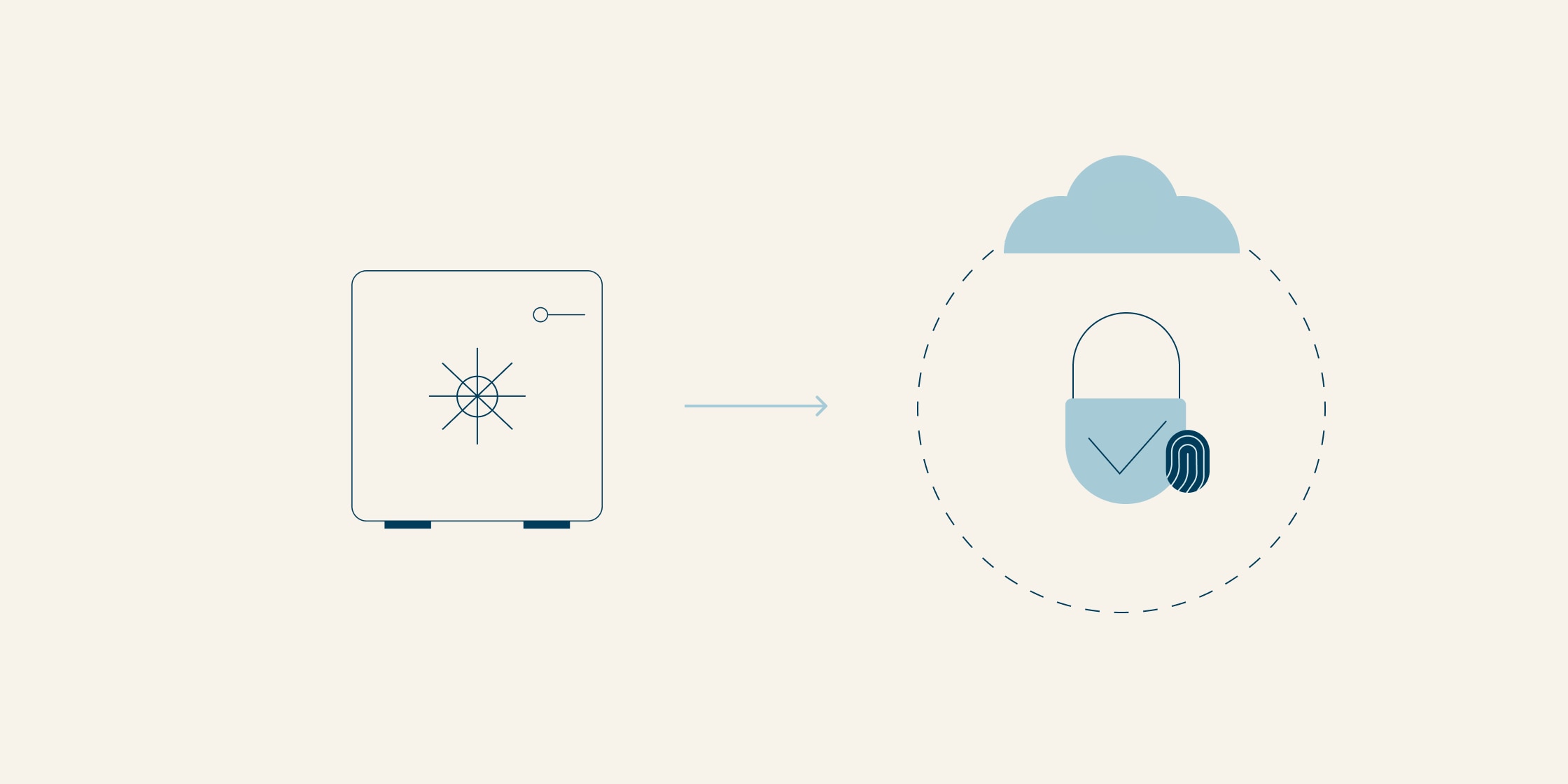
Tokenization replaces sensitive data, like a social security number, with a unique, non-sensitive placeholder called a token. Unlike encryption, which transforms data into unreadable ciphertext and often alters its format, tokenization preserves the structure and relationships within the data. The result is de-identified datasets that remain usable, while keeping sensitive information protected from unauthorized access.
This approach reduces risk, improves efficiency and provides the foundation for AI-driven organizations to use their data responsibly at scale.
Case study: How Capital One scaled secure data access on AWS
Capital One understands first-hand the challenges of managing a modern data-ecosystem as one of the first large enterprises to go all-in on the public cloud.
To fully leverage data for AI, machine learning and innovative customer experiences, Capital One needed a scalable foundation that could support fast-moving data, strong governance and controlled access in the cloud. The company modernized its entire data ecosystem to deliver that foundation—work that paved the way for its powerful tokenization engine now protecting billions of records across more than 900 applications.
Along the way, Capital One learned a lot about securing data across the enterprise, and decided to bring those learnings to market with Capital One Databolt.
Databolt: Designed for security and usability
Databolt is a powerful data security solution that helps enterprises securely use sensitive data for AI, analytics, customer intelligence and more. Built for scale and designed to integrate where enterprise data already lives, it allows teams to accelerate innovation without disrupting existing workflows or compromising on security.
AWS powers a significant portion of enterprise data workloads in the cloud, and Databolt’s native integration into AWS services such as Redshift, Aurora and RDS, combines AWS’s elasticity with Databolt’s proven data protection expertise. Utilizing Databolt in AWS delivers:
- Consistent guardrails that protect sensitive data at ingestion to minimize audit scope and strengthen governance
- De-identified critical customer and business data that minimizes breach and risk exposure across downstream systems
- Anonymized, production-like data for data consumers to build, analyze and innovate securely
- Ability to safely share data with third parties, advance strategic business decisions, enhance customer experience and improve operational efficiency
To learn more about how Capital One Software is helping enterprises securely unlock the value of their data, request a demo today.