Capital One Databolt. Secure Data. Unlock AI.
Secure data from ingestion to use, transforming security from a blocker to an enabler that activates the value of your information for trusted AI at scale.
Key benefits
Secure data lifecycle
Protect sensitive data at rest, in motion and in use.

Trusted AI and analytics
Fuel AI and analytics safely without exposing sensitive values.

Safe data sharing
Centralize protection in a decentralized ecosystem.
Data security shouldn't be a bottleneck for innovation
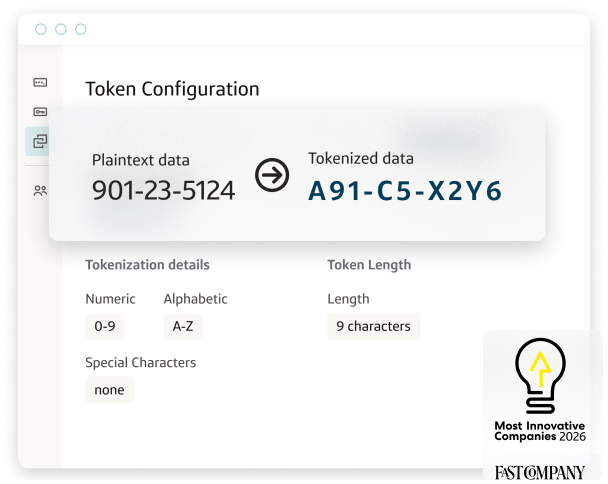
Enterprise data fuels the AI revolution, yet security tools remain stuck in the past. Databolt bridges this gap, leveraging vaultless tokenization to balance robust data security while preserving the data utility required to innovate.
Strategic value
Data sovereignty & control
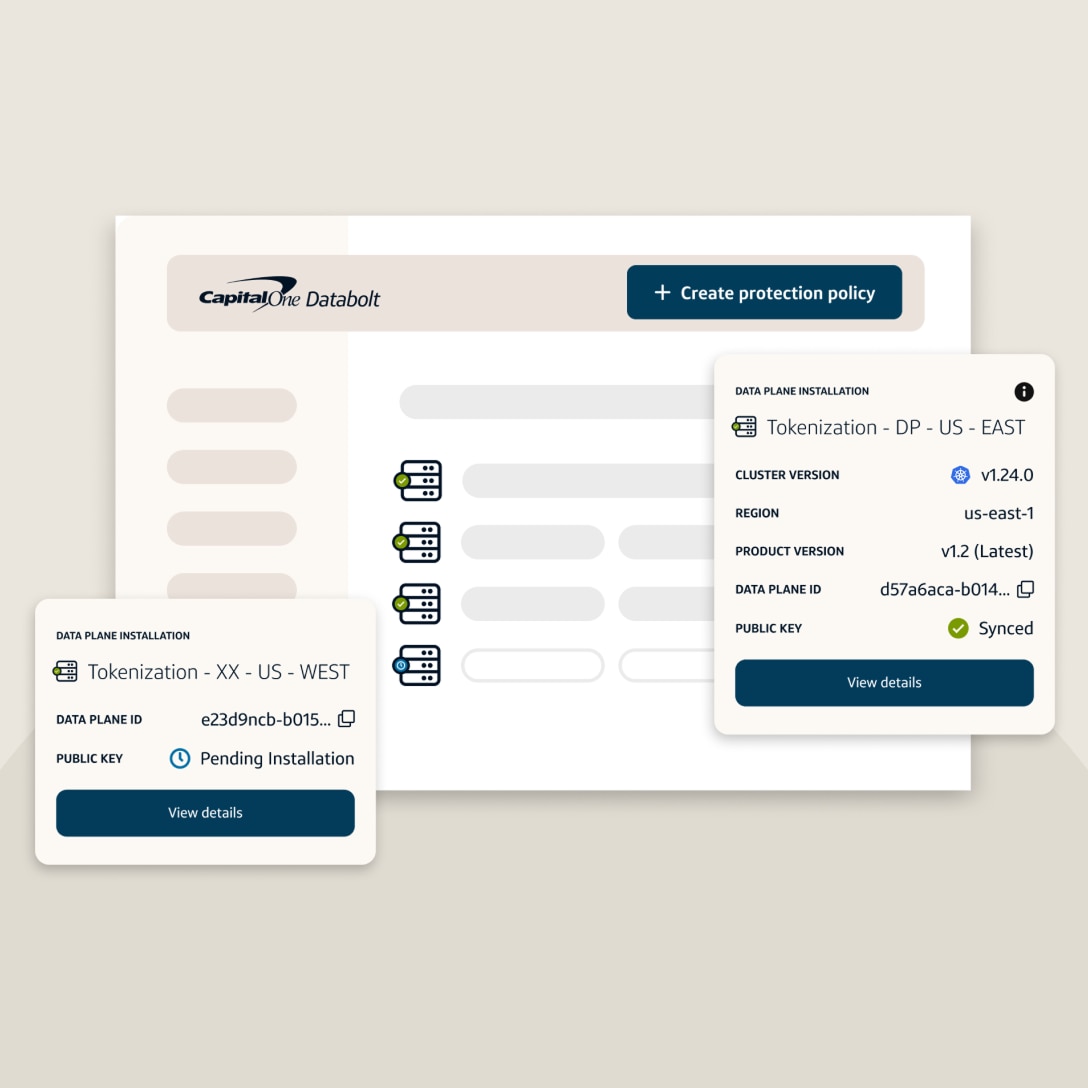
Minimize raw data exposure, strengthen your security posture and maintain data sovereignty by running tokenization inside your own environment.
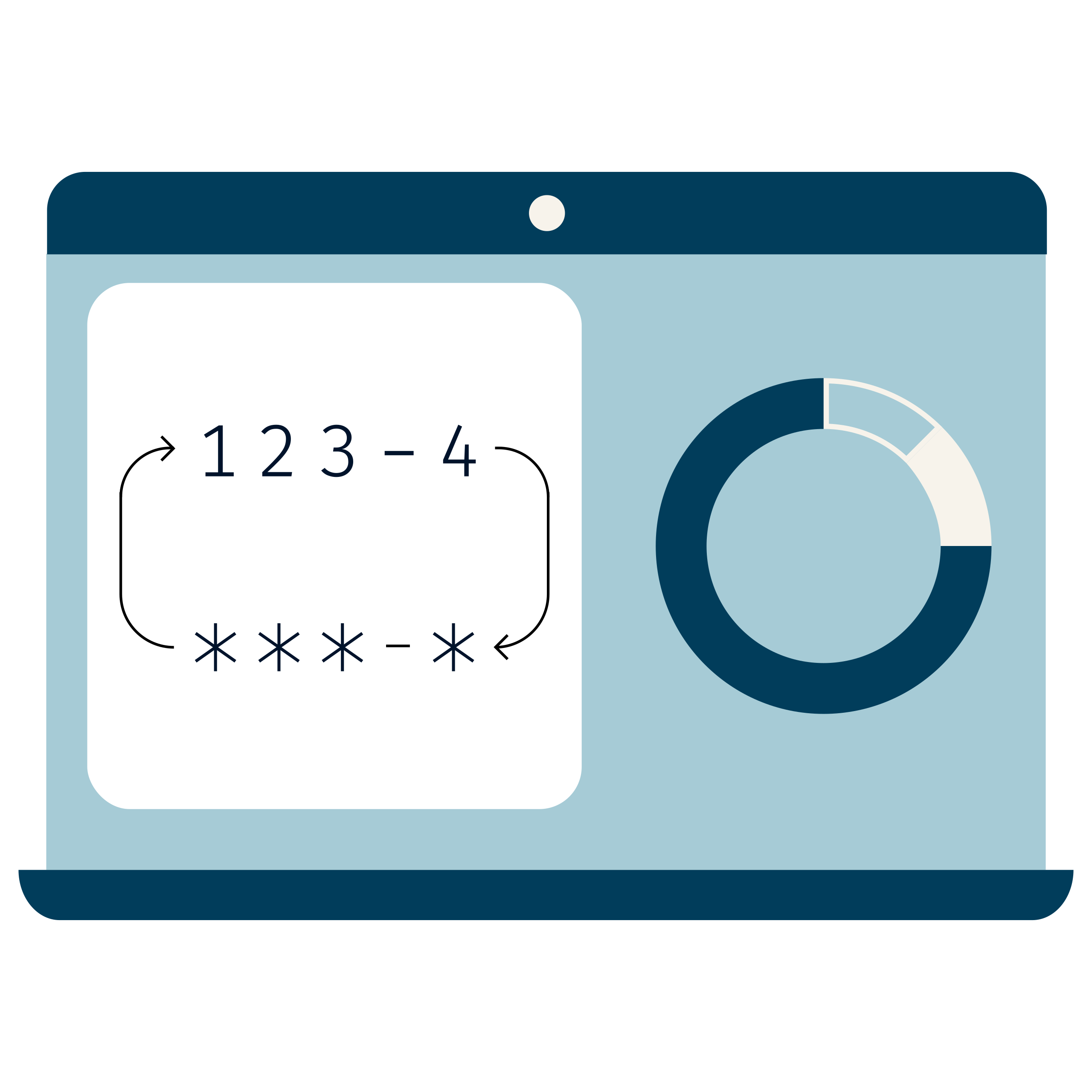
Preserve analytical utility
Maintain original data formatting and data types for referential integrity, allowing models and applications to function without re-coding.

High performance
Ensure data security moves at the speed of innovation and is designed for the modern enterprise—free of complex agents, heavy sidecars or centralized vaults.
Built for builders
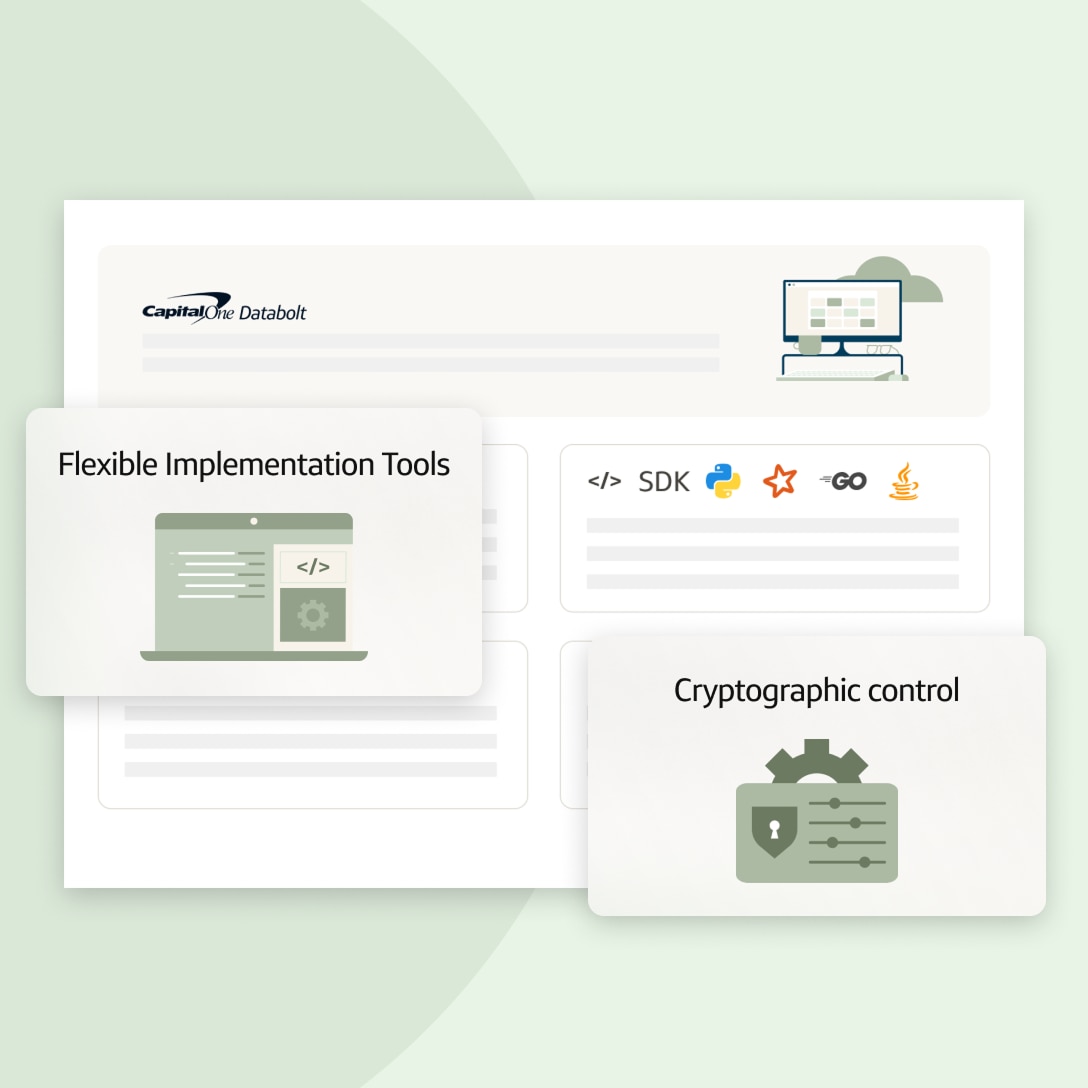
Integrate into existing CI/CD pipelines with simple APIs and native libraries, securing data without re-architecting your entire stack.
Trusted by Technology Leaders
Core Capabilities
Related Content


Databolt Frequently Asked Questions
What cloud providers can Databolt be deployed in?
Databolt can be deployed in AWS and Azure.
What's the difference between vaulted and vaultless tokenization?
A vaulted tokenization solution stores plaintext values and tokens in a database; a vault. In contrast, a vaultless tokenization solution doesn’t store anything because the relationship with plaintext and the token is algorithmic.
What field types can I tokenize?
Databolt comes with field templates configured based on industry standards to employ field types such as SSN, email address, credit card numbers, and much more. Databolt also supports custom fields to meet the specific needs of your organization.
How does Databolt's masking & redaction feature compare to the masking features available in leading data platforms?
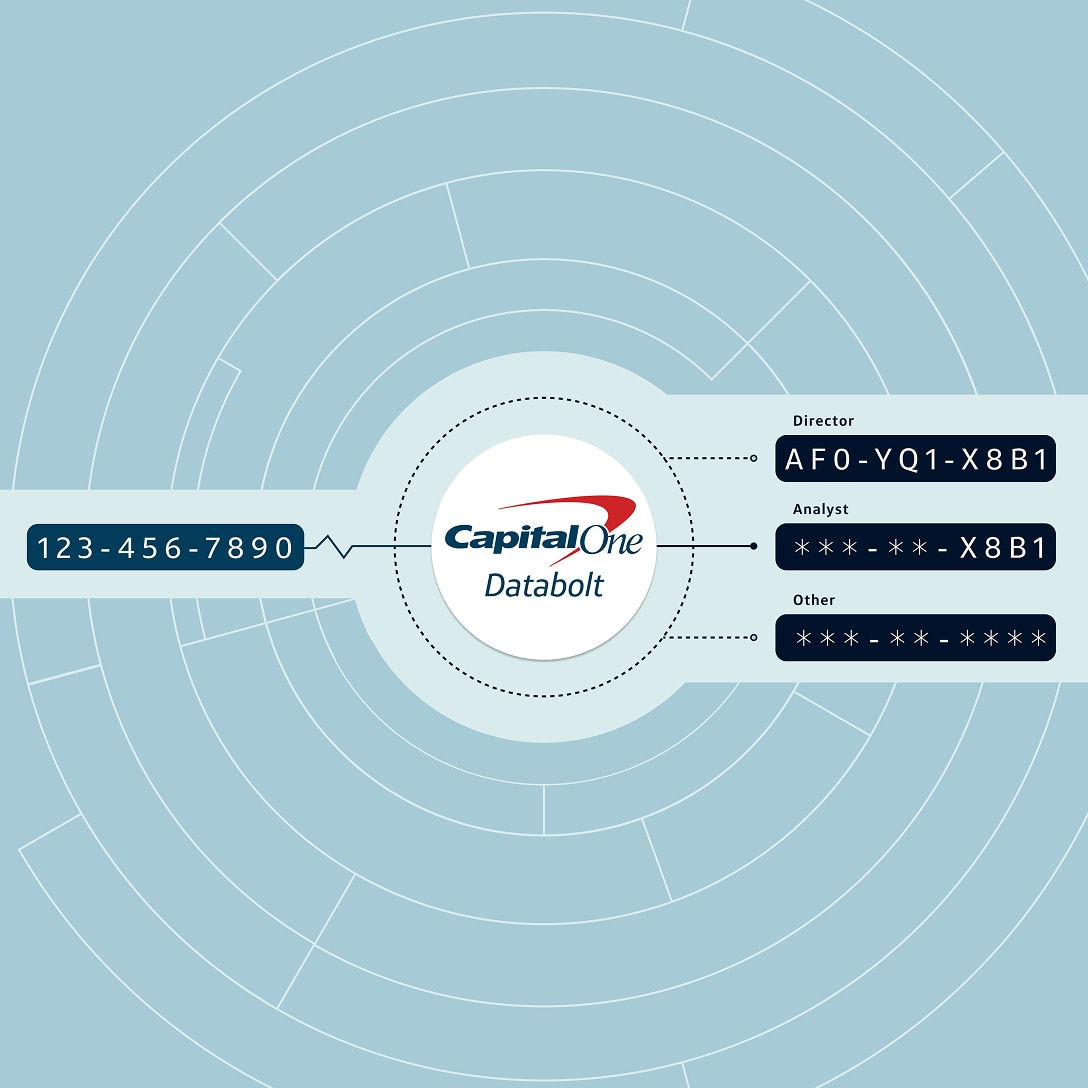
Many data platforms’ native masking features provide access control by masking the plaintext data already stored in the database. Databolt can enhance security with a layered approach to data protection: it provides foundational security by tokenizing the data, and then helps ensure sensitive data isn’t exposed by enforcing role-based policies in real-time, redacting or revealing only the necessary portions of sensitive data based on the user's need-to-know policy and role.
Documentation: A collection of resources for installing, deploying and configuring Databolt