Choosing a business credit card for your new business

Summary
- Evaluating daily operating expenses helps determine whether a charge card, straightforward cash back card or travel rewards card aligns best with your company's operational needs.
- Lenders typically evaluate personal credit scores for new businesses but consistent on-time payments gradually build a separate, robust business credit history.
- Reviewing annual fees, interest rates and welcome bonus requirements ensures the selected card fits your financial capabilities while supporting long-term growth.
Starting a new business comes with a long to-do list. From setting up operations to choosing the right financial tools, there’s a lot to consider before you’re fully up and running. Among those decisions may be selecting a business credit card and determining which type would work best for your company.
A business credit card can be an essential tool for your new venture. Keep reading to learn what to consider when choosing one for your business.
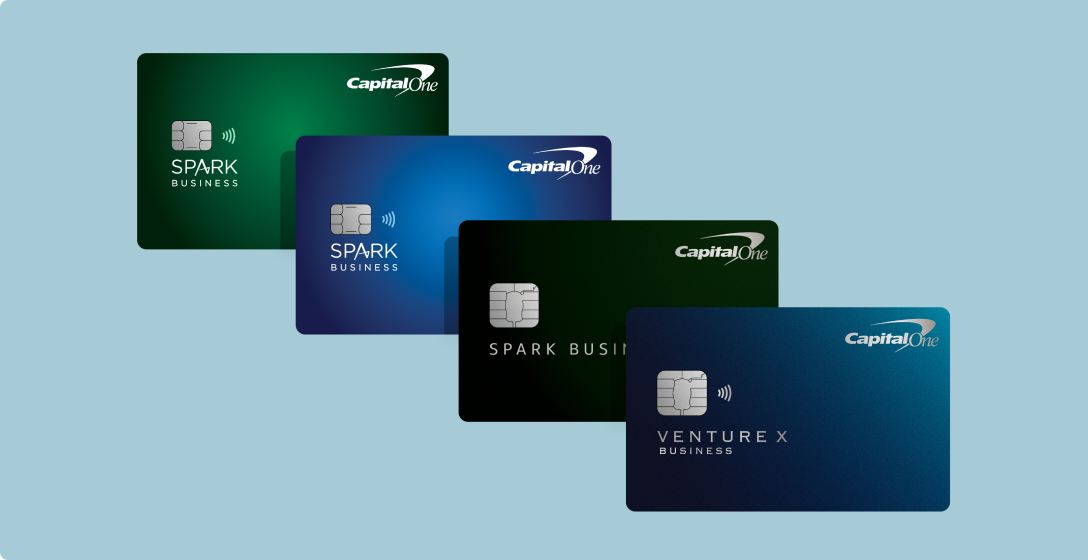
Business credit cards for new businesses: Key considerations
Business credit cards can play an important role in supporting your new business’s or startup’s financial operations. When used responsibly, they can help you build your business credit score and credit history. They can also make it easier to keep personal and business expenses separate, help you manage cash flow, and potentially earn rewards on your company purchases.
Here are the steps to take to find a business credit card for your new small business, LLC or startup.
1. Research the different types of business cards available
There are several types of business credit cards, and each one can serve different needs and purposes. Even if your company is in the early stages, there are many options designed to meet a range of business needs.
Here’s a closer look at some popular business credit card categories.
- Charge cards: This type of card is designed to be paid in full each month. Charge cards can be beneficial if you need flexible spending capacity because they typically have no preset spending limit (NPSL)—although spending capacity is based on factors like payment history and credit profile. The Capital One Venture X Business and Spark Cash Plus cards are examples of business charge cards that offer best-in-class rewards.
- Cash back cards: If you’re looking to get rewarded for your business spending, you might opt for a cash back business credit card. Business cash back cards—like the Capital One Spark Cash and Spark Cash Select cards—typically give you a percentage of cash back on eligible purchases. Cash back can usually be redeemed as a statement credit, as a check or transferred directly to your bank account.
- Travel rewards cards: With a business travel rewards card, you typically earn points or miles on everyday purchases, which can often be redeemed for travel expenses. The Capital One Venture Business and VentureOne Business cards are examples of business travel rewards cards.
2. Determine your business’s spending needs
Before you decide on a business credit card, think about your business’s spending habits. For example, do you need a large spending capacity to cover costs like office supplies, vendor payments and operational expenses? If so, a business charge card might be a good option. Charge cards often offer rewards and flexible spending capacity, which may help you maximize rewards based on your business spending.
Do you want to earn travel rewards for future trips? If so, you might consider a business travel rewards credit card that lets you earn miles or points on eligible purchases.
3. Check your personal credit scores
While business and personal credit scores are separate, as a new small-business owner (SBO), your personal credit score may influence how lenders evaluate your creditworthiness and factor into your ability to qualify for business credit cards or loans.
Once you’re approved for a business credit card and the issuer reports activity to the major business credit bureaus, you can begin building your business credit by paying on time and maintaining a low credit utilization. A good business credit score can play an important role in qualifying for different types of credit cards and business loans, potentially with better terms and rewards in the future.
4. Review the card’s terms and conditions
After narrowing down your card options, take time to review the card’s terms so you understand how using it could impact your business’s finances. Some details to look more closely into include:
- The annual percentage rate (APR)
- The business credit limit
- How rewards are earned and redeemed
- Late fees, balance transfer fees, transaction fees and penalty APRs
- How welcome bonuses are earned
- Credit requirements
- Payment terms
Additionally, as you review the card’s terms and conditions, note whether it charges an annual fee since this can affect your overall costs. Some cards—such as no annual fee business credit cards—don’t. Review the card’s rewards structure, bonus offers and additional features to determine which type of card makes the most sense for your company’s needs.
5. Look into additional business credit card benefits
In addition to travel rewards and cash back, some business credit cards may offer other features that could benefit your new business, like:
- Welcome offers and anniversary bonuses
- Enhanced travel benefits, like airport lounge access and Global Entry or TSA PreCheck® credits
- Expense management tools
- Free employee cards
- Virtual cards
- No foreign transaction fees
- Security features, such as fraud monitoring and purchase alerts
6. Get pre-approved
As you compare and contrast various business credit card options for your new business, you might consider getting pre-approved. Pre-approval for a business credit card means the issuer has conducted a preliminary review of your profile and determined that you meet certain requirements to get a credit card. Pre-approval doesn’t guarantee final approval, but it can give you a better idea of which card options you may be eligible for.
Credit cards for new business owners FAQ
Can a newly formed LLC get a credit card?
Yes, there are business credit cards for new LLCs—provided you meet the requirements set by the credit card issuer. Approval criteria vary by issuer and may depend on factors such as your personal credit profile and financial information.
What are the easiest business credit cards to get?
Business credit cards designed for applicants with at least fair personal credit may be easier to qualify for. For example, the Capital One Spark Classic card offers unlimited 1% cash back on every purchase and may help you build business credit when used responsibly—all with no annual fee.
Can you use an employer identification number (EIN) to get a credit card?
In some cases, you may be able to use your EIN to apply for a business credit card. However, many issuers also require your Social Security number (SSN) and a personal guarantee, especially if your business is new or doesn’t yet have an established credit history.
Key takeaways
When you’re choosing a credit card for your new business, you can narrow down your choices by considering your business needs, researching the various types of business credit cards and getting pre-approved.
Compare Capital One business credit cards today to help move your new business forward. You can also see whether you’re pre-approved first to decide which card would best meet your company’s needs. It’s quick and easy to use—and it won’t impact your credit scores.