What is an Experian® credit report?

Experian is one of the three major credit bureaus that compile credit reports. A credit report documents a consumer’s financial history. It’s organized into sections for things including open accounts and public records.
What you’ll learn:
-
Experian credit reports contain personal information like your name, address and Social Security number (SSN); details about your credit and collections accounts; and records of recent credit inquiries.
-
Credit-scoring companies use the information in credit reports to calculate credit scores.
-
By regularly checking your credit reports, you can better understand how your actions affect your credit scores.
-
You can freeze and unfreeze access to your Experian credit reports online.
What’s in your Experian credit report?
Generally, Experian reports have the following sections. But the information might differ from your Equifax® or TransUnion® credit reports because not every lender reports data to all three credit bureaus.
Personal information
Experian includes personal information reported by the borrower, the lender and possibly even other sources. It’s presented exactly as each source reported it, so you may see slight variations in things like naming conventions. The report can include:
- Names and addresses associated with your credit
- Your birth year
- SSN variations
- Phone numbers
- Names of co-signers on loans or lines of credit
- Names of current and former employers
- Personal statements, such as credit freezes or fraud alerts
Accounts
The accounts section of your Experian credit report can include:
-
Open accounts. Lenders can report revolving credit accounts and installment loans and include information like the account numbers, the dates the accounts were opened and the status of the accounts.
-
Payment information. Information can include a brief payment history, any amounts currently past due and the monthly payment amounts.
-
Payment history. This section features payment history codes that show payment status, like whether the account is current and on time, closed or charged off.
Collections
According to Experian, a credit card account enters collections when it becomes “seriously past due.” The bureau shows these accounts in a separate section from other accounts. It may include account information about the type of collections taking place and your payment information for those collections. It can also include any personal or creditor notes and collector contact information.
Public records for bankruptcies
Bankruptcies are the only type of public record that appears on credit reports. An Experian credit report may include the name of the court where the bankruptcy was filed, the record type, reference numbers and filing and status dates.
It may also include any personal statements of disagreement with the outcome of previous legal disputes.
Credit inquiries
The credit inquiries section is a record of any time someone has asked for a copy of your credit report. Credit inquiries typically mean that someone has accessed your information for a permissible purpose under the Fair Credit Reporting Act (FCRA). Credit bureaus log these as either a hard or soft inquiry.
-
Hard inquiries happen when you apply for credit or a service like phone, cable or internet. A hard inquiry can impact your credit scores and stay on your report for up to two years.
-
Soft inquiries typically happen when you check your own credit report or when a credit card issuer reviews your credit before sending a pre-approval offer. They typically won’t impact your credit scores. They can stay on your report for up to two years and are visible only to you, not
How your Experian credit report can help you
Your Experian credit report contains details that credit-scoring companies like VantageScore® and FICO® use to calculate credit scores. By reviewing information like your payment history, credit age, credit mix, debt and credit inquiries, you can better understand how your financial activity affects your credit scores.
Continuing to monitor your credit can also help you stay up to date on any changes made to your report and ensure that your information stays accurate.
How to get a free Experian credit report
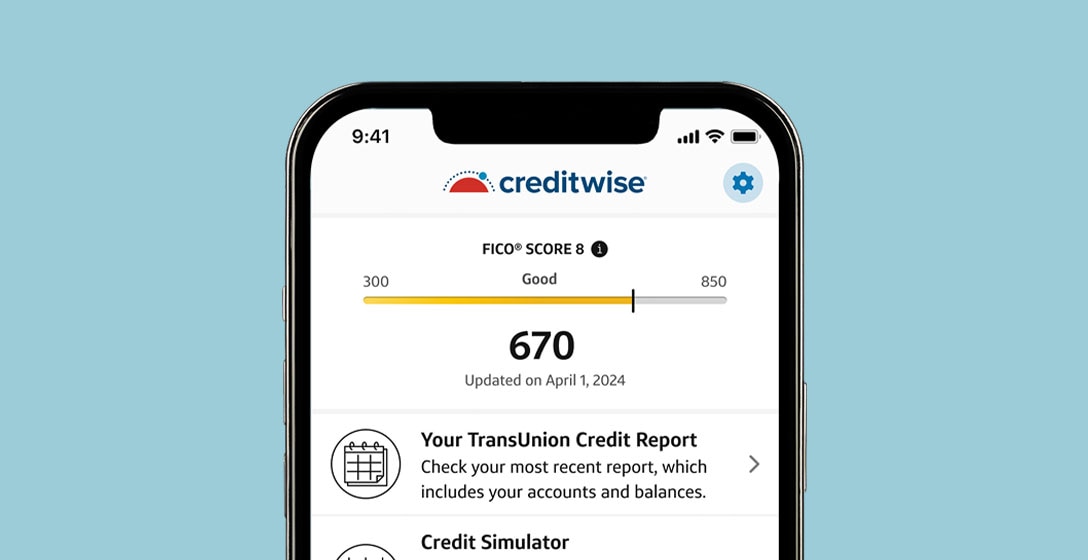
You can get a free copy of your credit report weekly from each of the three major credit bureaus, including Experian, by visiting AnnualCreditReport.com. You can also access your credit report for free with CreditWise from Capital One. CreditWise scans the dark web, tracks your SSN and checks your TransUnion and Experian credit reports for important changes. And it does this via soft inquiries, which have no impact on your credit score.
Who can see your Experian credit report?
Your Experian credit report isn’t publicly available. The FCRA determines who can see your credit report and for what reasons. People and organizations that can see your Experian credit report include lenders, employers and landlords when you apply for things like:
- Insurance
- A loan or line of credit
- Housing
- Utilities
- A new job
How to freeze and unfreeze your Experian credit report
Freezing your credit can help secure your credit information and limit applications for new accounts in your name. You can do this by visiting Experian online and setting up a free account.
If you want to apply for a credit card, get a mortgage, rent an apartment or get another type of loan, you might need to unfreeze your credit.
How to dispute errors in an Experian credit report
Experian has a free online dispute center where consumers can submit information and documentation about inaccuracies in their credit report. You can also submit disputes by mail or over the phone.
Experian credit bureau reports FAQ
Here are answers to some of the most frequently asked questions about Experian credit bureau reports:
Is Experian free?
You can access your Experian credit report for free by visiting AnnualCreditReport.com. Freezing and unfreezing your credit through Experian is also free.
How accurate is an Experian credit score?
If someone refers to your Experian credit score, they may mean a credit score calculated using the information in your Experian credit report. A credit score’s accuracy ultimately depends on the accuracy of the information used to calculate it. Keeping an eye on your reports can help ensure the information is correct.
Is my Experian score my FICO score?
The information Experian compiles in its credit reports can be used to calculate FICO scores. But they’re not the same thing.
It’s also important to know that information in Experian reports might not be identical to the information in reports from other credit bureaus. This is because lenders may not report to all three bureaus. That can result in a difference in credit scores.
Key takeaways: Experian credit reports
Your Experian credit report contains information that can impact your credit scores. Regularly monitoring your reports from Experian can help you better understand what lenders see when they review your credit.
If you’re looking for a new credit card, you could check if you’ll be approved for a Capital One card with 100% certainty before you accept an offer.