Should I sign the back of my credit card?
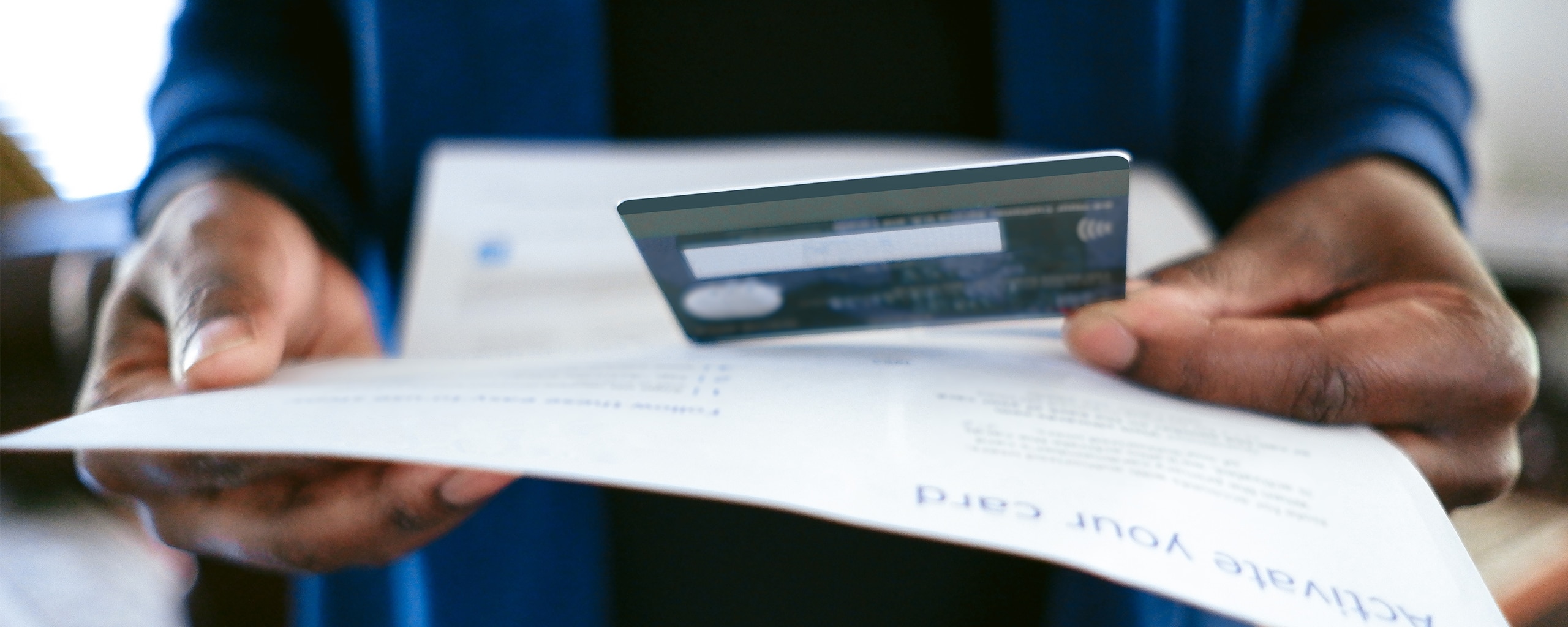
Many credit card issuers no longer require you to sign the back of your card. But if there’s a space on your credit card for a signature, then it may still be a good idea to sign it.
Explore why signatures were once a requirement, why signing your card still matters, and how you can protect yourself from credit card fraud.
What you’ll learn:
-
Signatures on credit cards and debit cards used to be the main way to prevent card fraud.
-
Today, credit cards are authenticated electronically, so signing your card isn’t as important as it used to be.
-
Some credit card companies may require you to sign the back of the card for it to be considered valid and active.
-
Businesses and independent merchants can deny a transaction if the signature panel is left unsigned.

Why signing your credit card used to matter
Signing your credit card was once an important step in helping prevent credit card fraud. When you paid with your credit card, the merchant would compare your signature on the receipt with the one on your card. If they matched, the merchant would approve the credit card transaction.
These days, credit card purchases are authenticated electronically. Merchants may not even see your card if you tap your phone to pay, use a card with an EMV chip or make a purchase online.
Why you might sign your credit card today
Even though signatures aren’t used the way they once were, it may still be a good idea to sign the back of your credit card if it has a signature panel. Here’s why:
-
Some credit card issuers require a signature. Some card issuers might require a signature to indicate the card is active and that you accept the terms of the credit card agreement. Some cards even feature a message that says something like “Not valid unless signed” or “Not valid without an Authorized Signature.” You can check with your issuer or check your credit card agreement to see whether you need to sign your card.
-
Merchants may refuse to accept an unsigned card. Since an unsigned card might be considered inactive and invalid, merchants do have the right to turn one down.
Should you write “See ID” on your credit cards?
No, this practice stems from the older security measure of matching signatures. People used to write “See ID” to prompt a merchant to compare the cardholder’s signature on the receipt with the one on the cardholder’s ID before authorizing the sale. In theory, this would reduce the chances of credit card fraud.
But while this may have been more common at one point, writing “See ID” on your credit card isn’t typically recommended because:
-
Signatures aren’t always required for credit card purchases under a certain amount.
-
Some merchant agreements might prohibit retailers from requiring a cardholder to present their ID to approve a sale.
-
If your issuer requires a signature, writing “See ID” could render your card inactive and invalid.
To avoid issues, you can check your credit card agreement or check with your issuer to see whether writing “See ID” is OK.
How today’s credit card technology helps prevent fraud
Some credit cards come with built-in security features and benefits to help protect against fraud. And those safeguards may go beyond basics like your personal identification number, or PIN, and card verification value, or CVV number.
Many newer credit cards use EMV chips, which are small, metallic computer chips that store the cardholder’s data. These chip-enabled cards help improve security because a special reader is needed to authenticate them, unlike a card that has only a magnetic stripe.
Other ways to protect against credit card fraud
Remember: When it comes to protection against fraud, signing your card isn’t as important as it used to be. So consider these credit card security tips:
-
Don’t lend your card to anyone.
-
If a transaction requires you to hand over your card, watch for any suspicious behavior.
-
Save your receipts so you can compare them with your monthly statement.
-
Shred your old statements and receipts when you’re ready to get rid of them. The same goes for your expired cards.
-
Don’t give your account information over the phone unless you’re sure the caller is who they say they are. And if you’re not sure, ask to call them back—it can give you some time to check.
You should also be on the lookout for phishing scams that ask you to:
-
Click links
-
Open attachments
-
Send money
-
Share personal information
Regularly monitoring your credit is another way to protect yourself from credit card fraud by looking out for unauthorized changes to your credit reports or unexplained drops in your credit scores. You can use CreditWise from Capital One to monitor both your credit report and credit score. You can also visit AnnualCreditReport.com to get free copies of your credit reports from each of the three major credit bureaus.
Credit card signatures FAQ
Here are the answers to some questions commonly asked about signing credit cards:
Where do I sign my credit card?
You’ll often find a blank white box on the back of your credit card. This is where you can sign your card.
Can I leave the back of my card blank?
You can leave the back of your card blank if your credit card issuer doesn’t require a signature. Leaving your credit card’s signature panel blank isn’t going to stop the card from working. But you could run the risk of having a transaction denied on the off chance that a merchant requires or prefers the signature.
What if there’s no place to sign the back of my credit card?
If your issuer doesn’t require you to sign your card, your credit card might not feature a signature box at all. So if you don’t see a signature panel, then you most likely don’t need to sign. You can call your credit card issuer to check if you’re unsure.
What pen should I use to sign my credit card?
Black or blue felt-tipped pens are typically recommended for signing credit cards. Ballpoint pens may look faint or scratch the plastic.
Key takeaways: Signing your credit card
You can check with your credit card issuer to see if you’re required to sign your credit card. But it’s generally recommended to go ahead and sign it if there’s space on your card for a signature. That way, you’re covered if a merchant requires the signature for a purchase.
Today, credit cards provide several security features for added protection. But regularly monitoring your credit is another way to protect yourself from credit card fraud. One way to monitor your credit is with CreditWise from Capital One. It’s free, even if you’re not a Capital One customer.