Paying vendors with a credit card: What to know

Summary
- In some cases, you can pay vendors directly with your business credit card, but other options include paying an invoice through your card issuer or a third-party service.
- Paying vendor bills with a business credit card can have several benefits, including earning rewards, gaining additional time to make payments and easily tracking expenses.
- If a vendor won’t accept credit card payments, you may be able to encourage them by presenting the key advantages, such as enhanced security, faster payments and streamlined processes.
- Capital One Business cardholders can easily pay vendor bills with their card by using Accounts Payable—with no sign-up or subscription fees.
Paying vendors with a credit card is often possible—and may offer some key advantages for your business. In fact, there are even ways to do so if a vendor doesn’t accept credit card payments. Continue reading to learn about your options and the benefits of paying with a credit card.
How to pay vendor bills with a credit card
There are three main ways you may be able to pay vendors with a credit card.
1. Pay vendors directly
The ideal scenario, of course, is to pay your vendor directly using your business credit card, purchasing card (P-card) or virtual business card. Payment may be as simple as following a link on your invoice, which can enable faster, more secure transactions.
At the same time, paying with your business credit card can help you manage expenses, track cash flow and potentially earn rewards on your spending.
2. Use third-party payment companies
Some third-party companies allow businesses to pay vendors by credit card through their platforms. The business owner pays the invoice amount plus processing fees, typically around 2.9%. The company then pays the vendor via their preferred payment method, such as an Automated Clearing House (ACH) payment or a paper check.
Be aware that these companies may charge monthly subscription fees on top of payment processing fees. Before choosing a third-party payment service, it’s important to weigh the costs against the benefits to ensure the service aligns with your business’s cash flow strategy and vendor payment needs.
3. Pay through your credit card issuer
Another convenient option is to pay through your credit card issuer—they may offer a feature that allows cardholders to pay vendors directly through their business account.
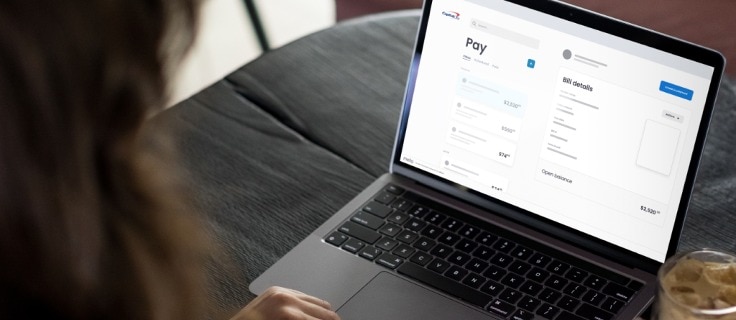
For example, Capital One Business cardholders have free access to Accounts Payable, which lets you pay vendor bills with your business card, even if the vendor doesn’t typically accept credit card payments. And while there are no sign-up or subscription fees for this feature, using your Capital One Business card to send a check or ACH payment incurs a 2.9% processing fee.
With access to Capital One Accounts Payable, business owners can seamlessly extend payment timelines, maximize card rewards and simplify vendor transactions.
Benefits of using a credit card to pay vendors
Paying vendors with a credit card can be a rewarding strategy for business owners, offering several potential benefits.
Here are a few reasons it could make sense for your business:
- Earn rewards: Just like consumer cards, many business credit cards offer rewards on your spending, such as cash back or miles. By earning rewards on purchases you’re already making, you could save money and support your business’s growth.
- Manage cash flow: Even if your card requires full payment each month, it can still offer flexibility around when you receive goods or services and when your payment is due. This can be especially helpful for managing your cash flow more effectively.
- Easily track your expenses: Having all your vendor payments in one place on your business credit card can make it easier to track and categorize your expenses. This can also help streamline bookkeeping and tax preparation.
- Improve relationships with vendors: Paying vendors with a credit card—especially through automated tools—can help reduce delays and missed payments. This can support predictable, timely payments and, in some cases, smoother accounts receivable processes for vendors.
Considerations when paying vendor bills with a credit card
Whether you pay your vendor directly or through your bank or a third party, here are a few things to keep in mind when using a credit card:
- Fees and costs: Some vendors don’t accept credit cards due to processing fees. That’s why there’s typically a 2.9% card transaction fee when paying your vendor through a third party—to offset that cost. It’s a good idea to be mindful of these fees to ensure your rewards are worth the cost.
- Interest rate: Some business credit cards may have high interest rates. Paying vendors with a credit card is generally recommended only if you’re able to pay the balance in full, since carrying a balance could lead to significant interest charges.
- Personal impact: If your business card requires a personal guarantee, you could be held personally responsible for any debt if your business faces financial difficulties. Additionally, if your card issuer reports to consumer credit bureaus, missed payments could impact your personal credit.
Making a case for your vendors to accept card payments
If your vendor doesn’t accept card payments, you may be able to encourage them by highlighting potential benefits. This means presenting several key advantages, including—but not limited to—the following:
- Enhanced security: Credit card payments often offer stronger protections against fraud than checks and some electronic transfers. For vendors, this reduced risk of fraud can help provide greater transaction security and peace of mind when accepting payments.
- Faster payments and improved working capital: With quicker payment processing, vendors can increase their working capital and enjoy faster access to funds, with less need for outside financing. For example, while checks can take several days to clear and ACH payments may take a few business days—depending on processing times—credit card payments are often processed more quickly.
- Optimized processes: Card payments simplify reconciliation by leveraging automated tracking and categorization of credit card transactions, reducing reliance on manual workflows. With improved efficiency, vendors can help minimize errors, streamline payment processes, and focus more on business operations and less on administrative tasks.
Choosing the right business card to pay vendors
If you’re considering using your business card for vendor payments, there are a few things to consider:
- What rewards are available? Consider a card that lets you earn rewards you can easily redeem for business purchases you already make.
- What’s the credit limit? If you need to pay large vendor bills with a credit card, look for a card with a higher spending capacity, like a no preset spending limit (NPSL) card.1 NPSL charge cards, like Venture X Business from Capital One, offer a flexible limit based on your company’s spending habits, payment history and credit profile.
- What financial tools are included? Along with the ability to pay vendors, your business card should provide additional benefits, like tools that help you streamline expenses, integrate with accounting software and monitor employee spending.
How to use Accounts Payable with Capital One
Capital One business cardholders can pay vendors with a credit card through Accounts Payable. Here’s how it works:
- Sign in to your Capital One account.
- Click on the Manage Accounts Payable tab.
- From the dashboard, you can see upcoming bills or add new bill details.
- For the bill you wish to pay, select schedule payment.
- Select your preferred payment and method for payment delivery.
Key takeaways
Some vendors may accept credit card payments directly, but if not, there are still options for using your card. By paying vendors with a credit card, you may be able to improve cash flow, earn rewards and simplify payment processes.
If you’re looking for a more efficient way to handle vendor payments, Capital One offers tools designed to help simplify the process. Start paying and managing your vendor bills right from your business account through Accounts Payable with Capital One so you can stay organized and keep your business running smoothly.