Accounts payable vs. accounts receivable: Key differences

Summary
- Accounts payable refers to money going out, while accounts receivable refers to money coming in.
- There are key differences between the two—from when they happen and how they show up on your balance sheet to the role they play in your day-to-day decisions.
- Keeping these functions balanced is key to running a stable business.
- An accounts payable tool, like the one from Capital One Business, can make it easier to manage payments and keep operations running smoothly.
Accounts payable is the money your company owes to its vendors, suppliers or creditors. Accounts receivable is the money your company expects to get back for the goods or services you’ve provided.
Keeping your business in motion means there’s cash coming in and cash going out, and it’s important to maintain balance to make sure your business continues running smoothly. That’s why it’s helpful to understand accounts payable and accounts receivable—two sides of the same coin that are both integral to a healthy business.
Keep reading to learn more about the differences between these two financial functions.
What’s the difference between accounts payable (AP) and accounts receivable (AR)?
The key difference between accounts payable (AP) and accounts receivable (AR) is that payables represent the amount owed to others, while receivables are the money people owe you.
Here’s a quick comparison of accounts payable and accounts receivable:
| Accounts payable | Accounts receivable | |
| Meaning | Money your business owes to others | Money others owe to you |
| Objective | Make on-time payments to foster strong supplier relationships | Collect payments as quickly as possible to avoid cash flow disruption |
| Cash flow | Tracks money going out | Tracks money coming in |
| Balance sheet classification | Liability—financial obligations you owe | Asset—financial obligations owed to you |
| Processes | Invoices are verified and approved before payment is made | Invoices are created and sent to customers and then tracked for payment |
| Risks and challenges | Missing payment deadlines, duplicate payments and slow processing times due to manual entry errors | Customers not paying on time or not paying at all |
Here’s a more in-depth look at the key differences between accounts payable and receivable to highlight how each function affects your operations.
What they mean
Accounts payable and accounts receivable differ in their focus:
- Accounts payable: Accounts payable refers to the money your business owes to vendors, suppliers or creditors for goods or services received on credit. It often involves a team and systems that make sure payments go out on time.
- Accounts receivable: Accounts receivable refers to the money others owe to you. It represents the value of work you’ve already delivered but haven’t been paid for yet. Like accounts payable, it also typically involves a team and processes to help you collect it.
How their objectives differ
Balancing accounts payable and accounts receivable helps keep your business from running into cash flow problems, reduces financial risks and creates space for growth or investment. But they have different goals:
- Accounts payable: The goal is to track and manage expenses and pay bills on time. Maintaining a timely accounts payable process can help your business avoid late payments, strained supplier relationships and unnecessary financial penalties.
- Accounts receivable: The key objective is to collect payments from customers and reduce overdue invoices. This function tracks outstanding payments and ensures everything stays on schedule.
How they impact cash flow
Both accounts payable and accounts receivable impact your business’s cash flow—but in different ways. Properly coordinating both of these functions to balance your inflow and outflow keeps your business financially stable. Here’s how they both influence cash flow management:
- Accounts payable: Accounts payable affect cash outflows. When you pay a supplier, your company’s available funds decrease. Successful accounts payable management aims to keep enough cash in your business’s account by ensuring you’re not making supplier payments faster than you have money coming in from customers.
- Accounts receivable: Accounts receivable affect cash inflows. Receiving payments from your customers can increase your company’s liquidity. Ideally, you’ll want to collect the money you’re owed quickly so you can pay off the expenses you owe without disruption.
The way they’re classified on the balance sheet
Both accounts payable and accounts receivable are tracked on your business’s balance sheet. But they’re recorded on opposite sides:
- Accounts payable: Accounts payable are considered current liabilities on the balance sheet since they represent short-term debts the business still owes.
- Accounts receivable: Accounts receivable are recorded as current assets on the balance sheet. Receivables represent cash the business can expect to receive from customers in the near future.
How payment terms are followed
The payment terms for accounts payable and accounts receivable differ with regard to who sets them, who follows them and the objective behind them.
- Accounts payable: Payment terms are set by suppliers or vendors and determine when the business needs to pay for the goods or services it buys. These terms help manage cash outflows since the payments are considered expenses. Negotiating better payment terms can help businesses extend their payment periods. In turn, this helps improve working capital and the ability to invest in growth opportunities.
- Accounts receivable: Payment terms are set by your business and extended to your customers. These terms indicate when the business expects to be paid for goods or services provided. Payment terms can vary—such as net 30, net 60 or net 90—and outline the expected timeline for payment due dates.
The way transactions are processed
While accounts payable and accounts receivable processes differ, they complement each other to ensure cash flow is managed efficiently.
- Accounts payable: The process involves receiving invoices from vendors, verifying them and approving them. Then payments are scheduled and completed.
- Accounts receivable: This process involves sending invoices for delivered products or services and recording the receivable. Then payments are collected and applied.
Risks and challenges to prepare for
With both accounts receivable and accounts payable, there are risks to prepare for, including:
- Accounts payable: The biggest risk with accounts payable is missing a deadline for an upcoming payment. Not only could this cost you more money through penalties or interest charges, but it can also strain relationships with your suppliers. Other challenges can include duplicate payments or manual errors during processing.
- Accounts receivable: Customers not making timely payments or missing payments altogether can be disruptive to your cash flow and impact your planned expenses. Managing this risk can mean proactively following up on overdue charges from customers.
What are best practices for accounts payable?
Here are some ways you can streamline your accounts payable process to improve efficiency:
- Automate the accounts payable process: To make your accounts payable process more efficient, you can use digital solutions—like automation software—to process invoices more efficiently. You can also implement three-way matching to ensure purchase orders, receiving reports and vendor invoices are matched and valid.
- Focus on vendor relationships: To maintain strong relationships, communicate clearly and consistently with your vendors and resolve disputes quickly. You may be able to negotiate favorable payment terms or take advantage of early payment discounts to help reduce costs, too.
- Monitor cash flow and payment timing: Streamlining your workflow to ensure you’re properly managing cash flow can help you avoid paying too early—or too late. It can also help you anticipate potential gaps between inflows and outflows.
- Reduce fraud risk through proper training: Enforce internal controls by defining specific roles and responsibilities for individuals working in your accounts payable department. Segregating duties and updating employees on current procedures can help prevent fraud.
What are best practices for accounts receivable?
Here are key best practices for accounts receivable:
- Streamline your invoicing and account management: You can do this by sending invoices in a timely manner. You could also consider switching to digital platforms to ensure invoices are sent efficiently. Managing accounts by setting automatic reminders can also help reduce late payments from customers.
- Maintain strong customer communication: To promote transparency with customer communication, you can clearly define payment terms and potential consequences. Stay in contact with your clients to make sure they’re aware of the status of their account and consider incentivizing those who make consistent payments.
- Provide flexible payment options: You could offer customers different options to make it easier for them to pay quickly and on time. For example, you might consider accepting credit cards, providing an online payment platform, accepting ACH transfers and more. You could also consider offering early payment incentives.
- Track key metrics: Monitoring factors like days sales outstanding, collection rates and write-offs can help evaluate your accounts receivable performance and efficiency. You can use these metrics to make better decisions and adjust strategies or policies as needed.
Accounts payable vs. accounts receivable FAQ
Here are some frequently asked questions about accounts payable and accounts receivable.
Do you send invoices to accounts payable or accounts receivable?
Invoices are sent to a client’s accounts payable department. They’re issued by your business’s accounts receivable department and recorded in your company’s accounts receivable because they represent money owed to your business.
Is accounts payable a liability?
Yes, accounts payable is listed as a current liability on your business’s balance sheet because it’s money your business owes to others.
Can AP and AR be done by the same person?
Yes—in some businesses, especially smaller ones, the same person may handle both accounts payable and accounts receivable. However, they are typically managed separately to help reduce the risk of fraud and ensure any errors or discrepancies can be resolved quickly.
Key takeaways
In short, accounts receivable is your incoming cash and accounts payable is your outgoing cash. When managed properly, they help a business keep cash flow in check and make smart decisions about growth. But if they get out of balance, it can lead to risks, like cash flow disruptions or strained relationships with suppliers.
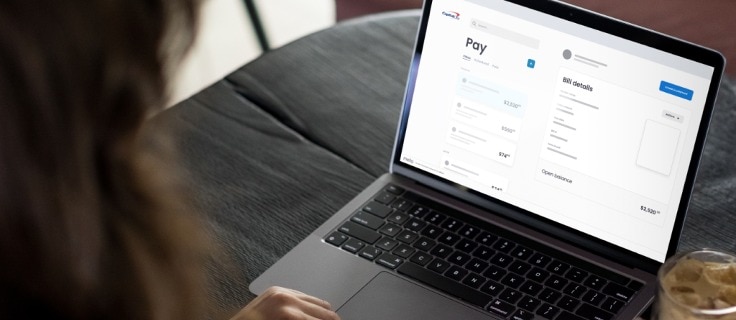
The Accounts Payable tool from Capital One helps business owners avoid these issues by simplifying the accounts payable process, ensuring payments are made on time and keeping operations running smoothly.