What is accounts payable and why is it important?

Summary
- The accounts payable process involves receiving and reviewing a vendor invoice, processing it, scheduling the payment and keeping updated payment records.
- A few challenges of a manual accounts payable process include increased fraud risk, slow processing times and data entry errors.
- Automating accounts payable can lead to many benefits for the business, such as cost savings, improved efficiency and greater accuracy.
- Capital One Business offers an Accounts Payable tool so you can send, manage and track payments directly from your account.
Accounts payable refers to the short-term debts an organization owes to vendors and suppliers for goods or services it has received but not yet paid for. These charges are listed on the company’s balance sheet as current liabilities, and they must be paid off within a certain time frame.
The accounts payable process is a critical part of running a business, helping ensure timely payments, uninterrupted services and strong vendor relationships. Read on to learn more about the accounts payable process and its impact on your business.
What is the accounts payable process?
The full-cycle accounts payable process is a set of steps businesses can follow to manage, review and pay for vendor transactions made on credit. Having an accounts payable process means your business can receive the products or services it needs before making a payment. This can support strong vendor relationships because timely payments can encourage faster service. It can also free up cash flow because you can receive goods or services before paying—allowing for greater financial flexibility.
The accounts payable process typically includes the following steps:
- Create and send purchase order: A buyer creates a purchase order for goods or services they intend to purchase from the supplier. This document outlines the price, any agreed-upon payment terms and delivery information.
- Receive invoice: The supplier fulfills the order, the products or services are received, and the supplier provides an invoice.
- Record invoice: Once the invoice is received, it’s recorded on the balance sheet as accounts payable.
- Match documents: This ensures that pricing, unit count and delivery details match. This can be done as a two-way verification, which compares the purchase order and invoice. Verification can also compare the delivery receipt, purchase order and invoice—known as a three-way match.
- Code invoice: The buyer codes the invoice based on their accounting team’s processes to ensure bookkeeping accuracy. Some companies might code invoices before the document-matching step.
- Approve invoice: The applicable team or department receives the invoice and approves it after confirming the information is accurate.
- Remit payment: The buyer provides payment by the agreed-upon due date and method, which could include Automated Clearing House (ACH) transfers, credit cards or checks.
- Record transactions: The accounts payable records are updated by entering the transaction into the buyer’s general ledger.
Examples of accounts payable expenses
Accounts payable expenses include business purchases made from vendors or suppliers on credit. Examples include:
- Materials and supplies
- Equipment and utilities
- Transportation, business travel and leasing
- Packaging and shipping
- Software
- Labor and outsourcing services
- Licensing
Challenges of a manual accounts payable process
Using a manual accounts payable process can lead to inefficiencies, such as:
- Human error: When there’s manual data entry, whether through processing invoices or issuing paper checks, mistakes can occur. This could lead to incorrect payment details and potentially cause significant delays.
- Strain on resources: Manually entering data from invoices and using physical checks can slow down your documentation process, which can tie up valuable company resources.
- Potential for fraud: Using a manual accounts payable process can expose your company to vulnerabilities, as certain types of fraud—like duplicate invoices or payment manipulation—may be harder to detect by the human eye.
What is accounts payable automation?
Accounts payable automation, or AP automation, refers to the process of using software to streamline and reduce manual work involved with invoice and payment processing. This can help reduce costs, save time and minimize the risk of human error during business operations.
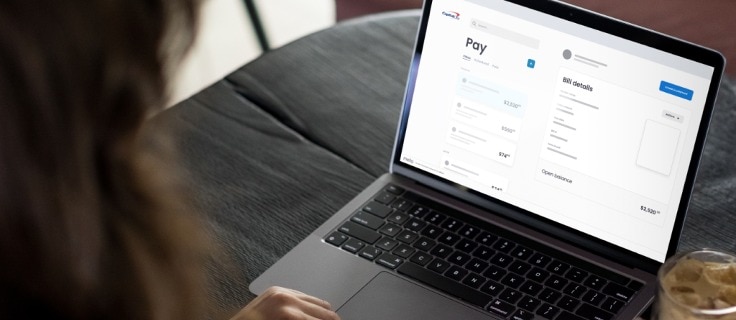
Capital One offers a solution for managing vendor payments with its Accounts Payable tool. By connecting your Capital One Business account to the tool, you can view, schedule and manage payments while accessing an array of benefits to improve efficiency. Plus, you may be able to earn rewards on payments you’re already making to run your business when you use your Capital One business card to pay vendors.
Benefits of accounts payable automation
If your business decides to leverage accounts payable automation, you could benefit from:
- Improved accuracy: Accounts payable automation can help improve recordkeeping for all purchases and payments by reducing manual entry errors.
- Time and cost savings: Automating the accounts payable process can help businesses save time and money by reducing spending on resources, training and other payment processing costs.
- System integration: Automated systems often allow you to sync your accounts payable with other software for more seamless financial tool integration.
- Enhanced fraud protection: Accounts payable automation often includes software and tools that help improve security, reducing issues like check fraud and other risks to the company’s financial information.
Accounts payable FAQ
Here are answers to some frequently asked questions about accounts payable.
What’s the difference between accounts payable and accounts receivable?
The difference between accounts receivable and accounts payable is that accounts payable represent money a business owes to vendors or suppliers, while accounts receivable represent money owed to the business by customers. Both accounts receivable and accounts payable are listed on the balance sheet, but accounts payable are recorded as current liabilities, while accounts receivable are recorded as current assets.
Are accounts payable business expenses?
No, accounts payable aren’t business expenses. Accounts payable are current liabilities on the business’s balance sheet, so they are different from typical expenses, which are recorded on the organization’s income statement.
How do accounts payable impact cash flow?
Accounts payable impact cash flow by delaying when cash leaves the business. When your business makes a purchase, there’s an increase in accounts payable and cash flow is preserved because your company hasn’t made a payment yet. When paid, accounts payable decrease and cash flow is reduced as money leaves the business to complete the purchase.
What payment metrics do accounts payable track?
Here’s some of the important data included in accounts payable:
- Accounts payable invoice processing cost and time: These metrics refer to how much it costs to process accounts payable invoices and the number of days between receiving a supplier invoice and paying the invoice.
- Days payable outstanding (DPO) or accounts payable turnover (APT) ratio: DPO and APT ratio are ways of calculating how quickly your company pays its suppliers.
- Payment errors: This metric measures the number of errors, like duplicate or overpaid invoices and incorrect supplier payments.
- Early payment discount rate: This measures how often your business takes an early payment discount, usually expressed as a percentage.
Key takeaways
The accounts payable process plays a key role in a business’s overall financial health. It helps ensure that invoices are paid accurately and on time while strengthening vendor relationships. While the manual accounts payable process can be slow, automating accounts payable can help increase efficiency, reduce costs and decrease some security risks.
If your business needs a tool to manage, track and make all your vendor payments, check out Accounts Payable from Capital One. Accounts Payable offers a flexible and convenient solution to automate and simplify your vendor payment processes.