When is the best time to visit Yellowstone?
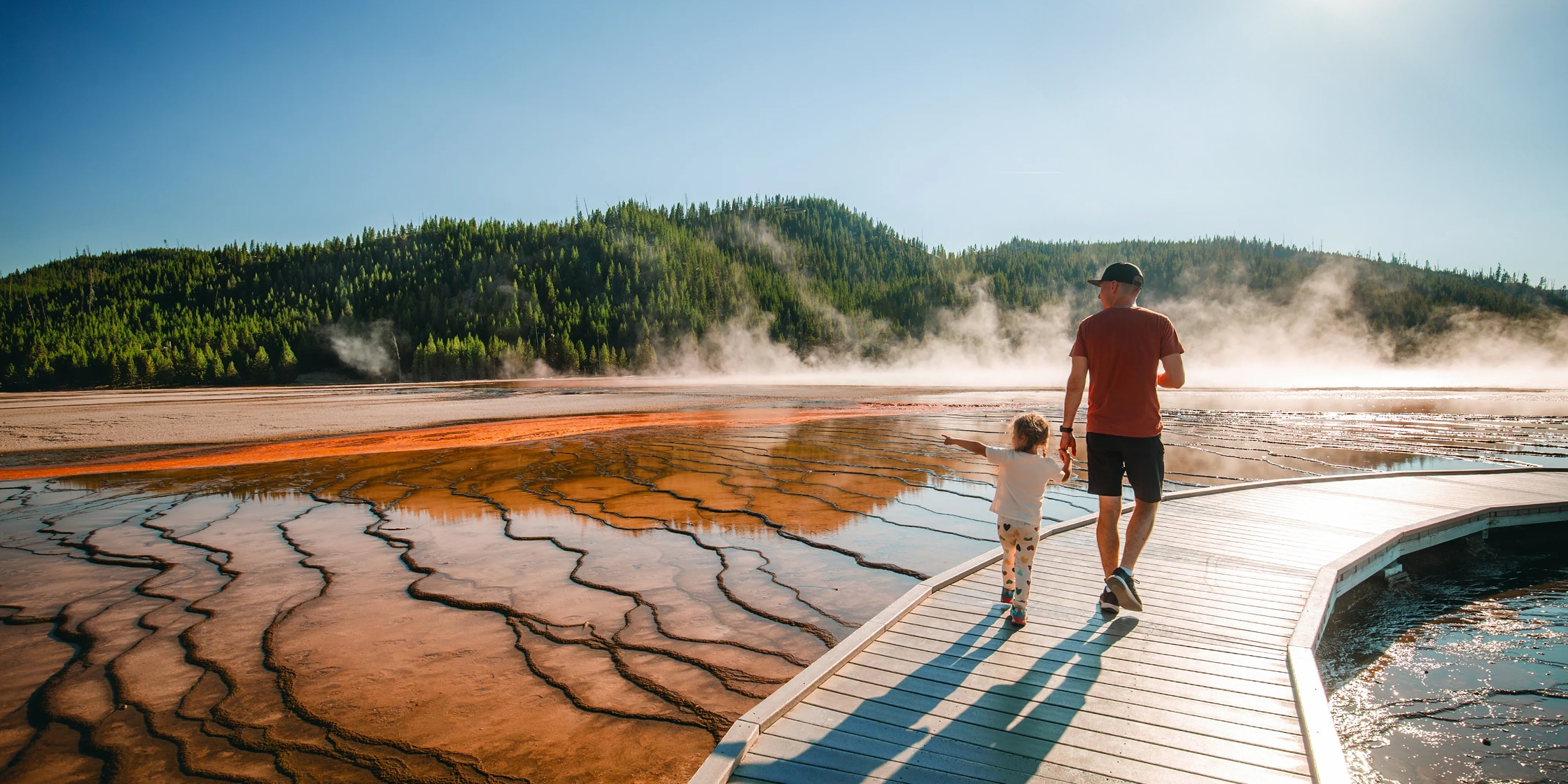
From its vibrant spring colors to peaceful, snow-covered winter landscapes, Yellowstone is a place of dramatic beauty. The park is immense, and it has something unique to offer in every season.
So there really is no single best time to visit Yellowstone National Park. It depends on what you’re hoping to do or see. Learn more about what to expect in each season so that you can plan a trip that fits both your interests and your budget.
What you’ll learn:
-
Spring is a great time for seeing newborn wildlife and enjoying fewer crowds.
-
Summer is the busiest season but offers full access to the park’s roads and attractions.
-
Fall brings a peaceful atmosphere, with ideal weather for hiking and wildlife spotting.
-
Winter offers opportunities for snowmobiling or snowcoach tours.
-
Capital One travel credit cards can elevate your trip with flexible rewards, smart tools and travel benefits.
When is the best season to visit Yellowstone National Park?
No matter the season or time of year, Yellowstone is an iconic destination. It offers something for everyone, from avid hikers to families with young children. Here’s some of what you can expect in each season.
Yellowstone National Park in the spring
During the months of March, April and May, temperatures begin to rise to average highs of 40-60 degrees Fahrenheit. But you might still see snow, especially at higher elevations. Take a bike in early spring, and you may have the roads to yourself before they reopen to cars in mid-to-late April. Lingering snow or ice might still cause some road closures, though.
As the snow melts, animals move to lower elevations in search of food. This is when you can see newborn bison and elk calves, often called “red dogs” for their reddish-brown coats. Prime spots for wildlife viewing include the Lamar Valley, a wide-open valley in the northern part of the park, and the areas around Mammoth Hot Springs.
Fewer crowds in the spring mean you can often enjoy the park’s thermal features, like the Old Faithful geyser, with more space and a quieter atmosphere.
Yellowstone National Park in the summer
Summer is the peak season at Yellowstone. Visitors can enjoy all types of adventures, including hiking, kayaking or fishing on Yellowstone Lake, and camping under the stars. The weather is generally warm and sunny, though there can be afternoon thunderstorms.
Lodging and campgrounds can be fully booked months in advance, and popular attractions often have large crowds and filled parking lots by midmorning. Road construction projects can also cause delays, and traffic jams are common, especially when wildlife like bison or elk are near the road. But the days are long and vibrant, and the entire park is accessible, from the geyser basins to the high mountain passes. The wildflowers are in peak bloom, and the melted snow means the waterfalls are at their most powerful.
Yellowstone National Park in the fall
After Labor Day, Yellowstone has fewer visitors, making it easier to enjoy some of the park’s most popular attractions. Plus there are fewer bugs, which is good for hikers. The weather is typically still pleasant, with warm days and cool, crisp nights. But sudden changes and even an early snowfall aren’t entirely unheard of.
Fall is a great time for vibrant colors, as aspen trees turn golden and other foliage turns red and yellow. It’s also a spectacular season for wildlife watching. Elk begin their mating season, known as the rut, and you can hear bull bugles echoing through the valleys. Bison and grizzly bears are also active as they prepare for winter. By late October, many park facilities and roads start to close.
Yellowstone in the winter
Winter in Yellowstone is a serene and beautiful experience, but it can also come with extreme cold and heavy snowfall. Most of the park’s interior roads are closed to regular vehicles. But they’re open to snowmobiles, snowcoaches and cross-country skiers.
Winter can be another great time for wildlife viewing. The snowy backdrop can make it easier to spot animals like elk, bison and wolves, especially if they concentrate near the warm geothermal areas, like the geysers and hot springs.
Planning your trip to Yellowstone National Park with Capital One
Using a rewards card from Capital One can help you make the most of your trip—no matter what time of year you visit. Capital One travel credit cards let you earn unlimited miles on every purchase, every day. Eligible cardholders also have access to exclusive benefits, including:
-
Rewards for booking with Capital One Travel: Venture cardholders earn unlimited 5X miles on hotels, vacation rentals, rental cars and activities booked through Capital One Travel. Venture X cardholders earn unlimited 10X miles on hotels and rental cars and 5X miles on flights, vacation rentals and activities booked through Capital One Travel.
-
Convenient rewards redemption: Cardholders have flexible miles redemption options, like using miles to cover a recent travel purchase, shopping online at Amazon.com or through PayPal, or redeeming miles for tickets to thousands of events on Capital One Entertainment.
-
Travel benefits: Venture and Venture X cardholders can receive up to a $120 statement credit for Global Entry or TSA PreCheck® when they pay the application fee with their card. Both Venture and Venture X cardholders can also enjoy a $50 experience credit and other premium travel benefits with each Lifestyle Collection booking.
-
Account security: Capital One offers security features to help you monitor and protect your account, including fraud alerts, card lock, $0 liability for unauthorized charges and virtual card numbers.
Visiting Yellowstone FAQ
No matter where you’re going, planning a trip can be a big undertaking. Here are answers to some frequently asked questions about visiting Yellowstone to help you out, including when you’re likely to experience the biggest crowds and how to budget for your trip.
What’s the most crowded month in Yellowstone?
June through August tend to be the most crowded months to visit Yellowstone, drawing more than two million visitors.
How many days are ideal to visit Yellowstone?
There’s a lot to see in Yellowstone, and how long you stay all depends on personal preference. If you want to make sure to experience more of the park, you might plan a trip for five days or longer. If your goal is just to see the highlights and move on with your vacation, two to three days could be plenty.
What is the cheapest month to go to Yellowstone?
April, May, and late September to October tend to be when accommodation prices are at their lowest. But keep in mind that some park roads and facilities may be closed.
How much does an average trip to Yellowstone cost?
According to the National Park Service, the standard entrance pass to Yellowstone for U.S. residents is $20-$35. But if you’re traveling from out of town, you also have to factor in things like the cost of getting there and accommodations.
Key takeaways: The best time to visit Yellowstone
Yellowstone has something for every traveler, no matter the season. Spring is a time of new life and fewer crowds. Summer provides full access to all the park has to offer, but with the most visitors.
Fall is a great choice for those who want a quieter experience, with beautiful scenery and great wildlife viewing. Winter offers a dramatic contrast of thermal activity and snowy landscapes.