Does higher credit utilization decrease your credit scores?

High credit utilization can negatively affect your credit scores. Keeping it low is a sign that you can manage your financial obligations.
What you’ll learn:
-
Credit utilization is one of the factors that credit-scoring companies use to calculate your credit scores.
-
A high utilization ratio means you’re using a large portion of the credit that’s been made available to you.
-
Experts recommend keeping credit utilization below 30%.
-
You can keep your credit utilization low by paying off your balances each month.
What is credit utilization, and how does it work?
Your credit utilization is a ratio that compares the amount of available revolving credit you’re using at any given time with how much you have available in total. Credit bureaus calculate it every month when lenders report your balances and credit limits to them. It’s then used with several other factors to determine your credit scores.
Lenders may use credit scores when deciding whether to approve someone for credit and what terms to offer.
What contributes to your credit utilization?
Your credit utilization depends on two factors:
-
Available credit: Generally the maximum amount you can charge across eligible lines of credit.
-
Balances: The amount you’ve charged but haven’t repaid across those same lines of credit. Your balances may include purchases, interest charges and fees.
How do I calculate my credit utilization?
Credit utilization is typically expressed as a percentage. You can calculate it by dividing all your revolving credit balances by your total available credit, then multiplying the result by 100:
Revolving credit balance ÷ Total available credit × 100 = Credit utilization
Say you have one credit card with a $5,000 credit limit and you’ve charged $1,000 to it. Divide the $1,000 balance by the $5,000 available credit and multiply that by 100:
1,000 ÷ 5,000 × 100 = 20
This would mean you have a 20% credit utilization ratio.
How much does credit utilization affect your credit scores?
Credit utilization is one of the factors that affect your credit scores, along with things like credit mix and payment history.
There are different credit-scoring companies and models, so the impact of credit utilization on your credit scores can vary. FICO® says credit utilization makes up 30% of its scores. VantageScore® says credit utilization makes up 20% of its scores.
Either way, a high credit utilization ratio could decrease your credit scores. It results in higher monthly payments, which may put more strain on your finances and make it harder to keep up. And that means more risk for the lender.
Conversely, a low credit utilization ratio could signal to lenders that you’re using your credit responsibly and not overspending.
What percentage should I keep my credit cards under?
According to credit bureau Experian®, there’s no exact point where credit utilization becomes high. But along with the Consumer Financial Protection Bureau and other experts, it recommends keeping overall credit utilization below 30%. That, says Experian, is “the point at which it starts to have a more pronounced negative effect on your credit score.”
FICO says to aim even lower when it comes to its scores, citing data and differences in credit scoring: “Generally, keeping it below 10% (and consistently paying bills on time) can help you.”
How long does high credit utilization affect scores?
According to Experian, high credit utilization can affect your credit scores as long as your reported balances stay high. Your scores could improve within 30 days of decreasing your credit utilization and the issuer updating the bureaus.
What’s trended data?
Some scoring models use trended data. Instead of calculating things like credit utilization as a monthly snapshot, trended data reflects your activity over a longer period of time. So if your credit utilization tends to fluctuate, paying down your balance once might not have the same relatively quick effect on any credit scores calculated from those models.
How to lower your credit utilization ratio
Ways to lower a high credit utilization ratio include paying down your balances, requesting a credit limit increase, spreading your spending across cards and keeping your accounts open. Whether any of these options are right for you will depend on your personal situation.
1. Make payments toward existing credit card balances
Paying off credit card debt is the simplest way to decrease your credit utilization. Making multiple payments per billing cycle could mean lower utilization is reported to credit bureaus. Doing so could also reduce the interest you’re paying.
2. Request a credit limit increase
As long as you don’t increase your spending along with it, a higher credit limit automatically lowers your credit utilization.
Say you have a $2,000 balance on a card with a $5,000 limit, making your credit utilization 40%. By increasing the limit to $8,000, your utilization falls to 25% without any changes to your balance.
To go this route, you can contact your card issuer and ask for a credit limit increase. Capital One cardholders can request a credit limit increase online.
3. Look at all your revolving accounts
Credit utilization can apply to multiple revolving accounts. If you have more than one credit card, it might be possible to split your spending more evenly among them. That can help keep individual balances lower, even if you’re spending the same amount.
A new balance transfer credit card with a higher credit limit could help you consolidate debt and lower your credit utilization ratio. That’s if you don’t close the old card account, which would reduce your available credit again.
Key takeaways: Higher credit utilization and credit scores
Your credit utilization shows how much of your available credit you’re using across all your revolving accounts. Generally, the lower your credit utilization, the better.
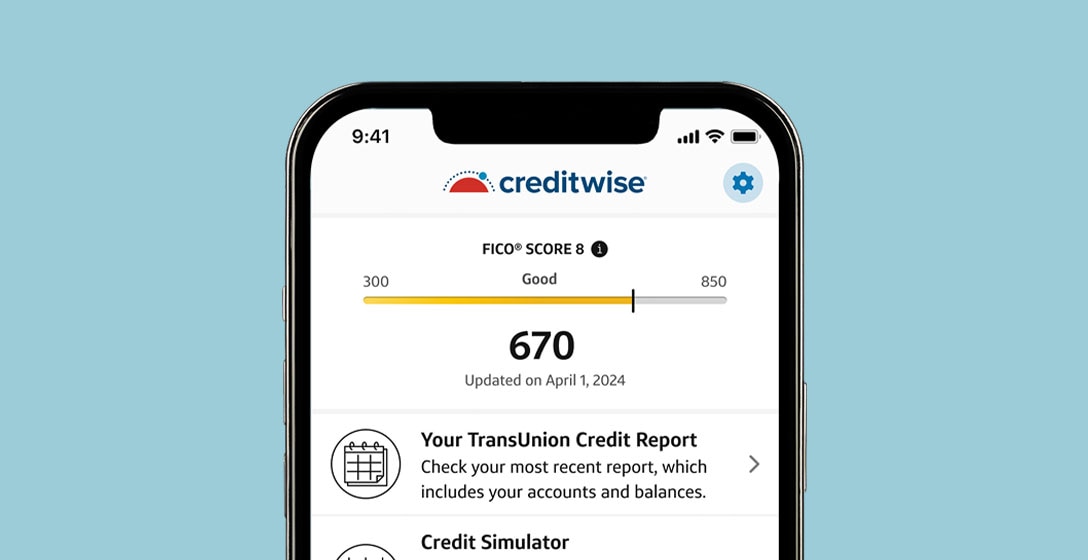
You can use CreditWise from Capital One to simulate the potential impact of financial decisions like closing a credit card or getting a credit limit increase. It’s free. And knowing how certain actions could impact your scores can help as you establish, maintain or build credit.