How does length of credit history affect credit scores?

Your length of credit history measures how long your different credit accounts have been active. Generally, the older the average account age, the better it is for your credit scores.
According to FICO®, the length of your credit history accounts for 15% of your FICO score, while VantageScore® says it accounts for 20%-21% of its latest credit scores.
What you’ll learn:
-
Length of credit history, or credit age, reflects a person’s experience managing credit.
-
Credit age can be measured in a few ways, including the age of a person’s oldest account, the age of a person’s newest account and the average age of all a person’s credit accounts.
-
When it comes to credit scores, the importance of credit age depends on the scoring model.
-
Credit-scoring company FICO says credit age accounts for 15% of its credit scores. VantageScore® says it accounts for 20%-21% of its latest credit scores.
What is length of credit history?
This refers to the age of your credit accounts. Lenders review the length of your credit history to see if you can responsibly manage credit over time. These accounts could include credit card accounts, installment loans and more.
Generally, lenders will review your credit history by looking at the information included on your credit reports.
How is length of credit history calculated?
Both FICO and VantageScore scoring calculations take length of credit history into account. Their models might consider information like the age of your oldest account, the average length of all your accounts or how long it’s been since you opened an account. But they weigh credit age differently. For example, length of credit history makes up 15% of FICO scores and 20%-21% of VantageScore scores.
Does closing an account affect your length of credit history?
Not immediately. Closed accounts usually remain on your credit report for up to 10 years. FICO includes closed accounts in its credit history calculations. So even if your account is closed, the time it was open will still factor into your overall credit age.
What is a good length of credit history?
Generally speaking, longer credit histories tend to benefit credit scores. But there’s no hard number to shoot for, and what’s considered good can also depend on your circumstances. For example, somebody who’s just starting to build credit will naturally have a lower average credit age than someone who has had multiple accounts for years.
Regardless of the length of your credit history, your payment history will be the single most important factor in determining your score. The amounts owed will also play a significant role. Together, those two factors account for 65% of your FICO score.
How to improve your length of credit
Improving your length of credit can take time. While it’s partly outside your control, especially if you’re younger, here are some potential tactics to keep in mind:
-
Start building a credit history. If you don’t have your own credit accounts yet, starting the clock on your account age is an important step. A secured credit card or a credit-builder loan may be good options for people looking to start building their credit history.
-
Become an authorized user. If your parent or spouse has a long-standing credit card, becoming an authorized user could help you benefit from that credit age, as long as the credit card issuer reports authorized users to the credit bureaus.
-
Avoid opening unnecessary new accounts. Opening new accounts can lower your average account age, so you may choose to avoid doing so if possible.
Other factors that affect credit score
There are factors beyond credit age that go into credit-scoring calculations, including:
-
Payment history: Payment history is a record of how well you make on-time payments and if you’ve had any missed or late payments. For both FICO and VantageScore scores, payment history is the most important factor.
-
Credit utilization: This ratio explains the difference between how much credit you are using and your total available credit. The Consumer Financial Protection Bureau (CFPB) recommends keeping your credit utilization under 30%.
-
Credit mix: A representation of the different types of credit you’re using, typically revolving and installment. VantageScore factors in credit mix with credit age and refers to it as depth of credit.
-
New credit: A measure of how recently you applied for a line of credit. Applying for new credit accounts typically triggers a hard inquiry on your credit reports, which can lower your credit scores temporarily. Opening new accounts can also bring down the average age of your credit.
Key takeaways: Length of credit history
Having a long credit history can contribute to building credit over time—as long as you use credit responsibly.
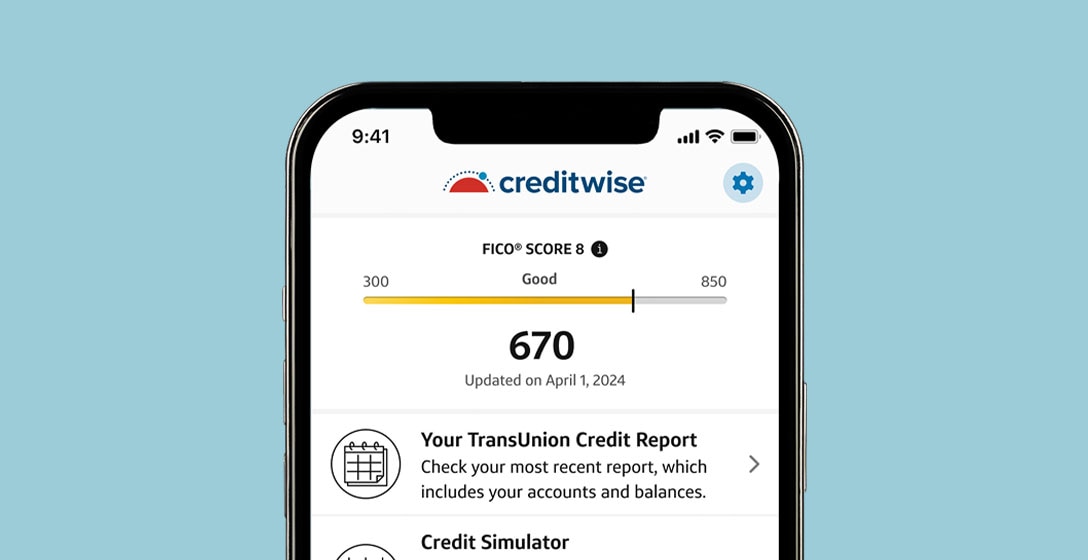
Monitoring your credit regularly can help you track your progress. With CreditWise from Capital One, you can access your credit report and credit score at any time without hurting your credit scores. And CreditWise is free, whether you are a Capital One cardholder or not. You can also check your credit reports for free at AnnualCreditReport.com.