How long do hard inquiries stay on your credit report?

Hard inquiries are one of the factors that make up your credit scores. Also known as a hard pull or hard credit check, a hard inquiry happens when a lender pulls your credit to assess your creditworthiness.
Learn more about hard inquiries, how long they stay on your credit report and how they can affect your credit.
What you’ll learn:
-
Lenders perform hard inquiries when you apply for loans or other lines of credit.
-
A hard inquiry can stay on your credit reports for up to two years, but some credit-scoring models only consider inquiries from the most recent 12 months.
-
There are ways to minimize the impact of a hard inquiry on your credit scores.

What is a hard inquiry?
A hard inquiry is when a potential lender requests to see your credit reports. This happens when you apply for credit, like a credit card or loan. Hard inquiries typically appear on one or more of your credit reports.
Hard inquiry vs. soft inquiry
Generally, you’ll see two types of inquiries on your credit reports: soft inquiries and hard inquiries. Soft inquiries happen when you do things like check your own credit score or see whether you’re pre-approved for a new line of credit.
Soft inquiries show up on your credit reports. But they don’t affect your credit scores, unlike hard inquiries.
When do hard inquiries fall off your credit report?
Hard inquiries fall off your credit reports after two years. While your VantageScore® credit score may consider hard inquiries for the full two years, your FICO® credit score may only consider them for one year. But a single hard inquiry usually won’t affect either score after a few months.
How much does a hard inquiry affect your credit score?
A single hard inquiry typically only causes your credit scores to drop about five to 10 points. That’s because hard inquiries only make up about 10% of your total FICO credit score and 11% of your VantageScore credit score.
If you have a good credit history, the impact may be even less. However, multiple hard inquiries in a short period can have a larger impact on your credit scores. “If you apply for a lot of credit over a short period of time, it may appear to lenders that you are dealing with financial setbacks,” the Consumer Financial Protection Bureau (CFPB) says.
Does your credit score go up when hard inquiries fall off?
Hard inquiries can stay on your credit reports for up to two years. But FICO says its scores consider only inquiries from the most recent 12 months. That means your FICO credit scores may not change after hard inquiries fall off your credit reports.
Can you dispute a hard inquiry?
If a hard inquiry is reported in error or the result of identity theft or fraud, you are able to dispute it with the credit bureaus. But accurately reported hard inquiries can’t be removed from your credit reports.
You may not always recognize hard inquiries on your credit reports, but that may not be due to fraud. Sometimes, when you apply for credit or a loan from a lender, they might use another company—with another name—to pull your credit. If you recently applied for credit, it can help to contact the lender to confirm the legitimacy of the hard inquiry.
Ways to reduce the impact of hard inquiries on your credit scores
If you plan to apply for a loan or other credit soon, you may be looking for ways to improve your credit scores. Here are some strategies that could help:
Practice responsible credit behavior
The higher your credit scores, the less of an impact a hard inquiry might have. One way to improve your credit is by consistently paying your bills on time. Another is to keep your credit utilization ratio below 30%, as the CFPB recommends.
Apply for loans strategically
If you’re shopping around for a mortgage or car loan, you can compare rates with different lenders in a way that minimizes the effect of the hard inquiries on your credit. Rate shopping within a certain time frame—generally 14 to 45 days, depending on the credit-scoring model—could be treated as a single hard inquiry instead of multiple inquiries. This could keep your scores from dropping several times in quick succession.
Keep an eye on your credit scores
Monitoring your credit can help you spot and dispute any errors. You could keep up with your credit by reviewing your credit reports from the three major credit bureaus: Equifax®, Experian® and TransUnion®. You can also get free copies by visiting AnnualCreditReport.com.
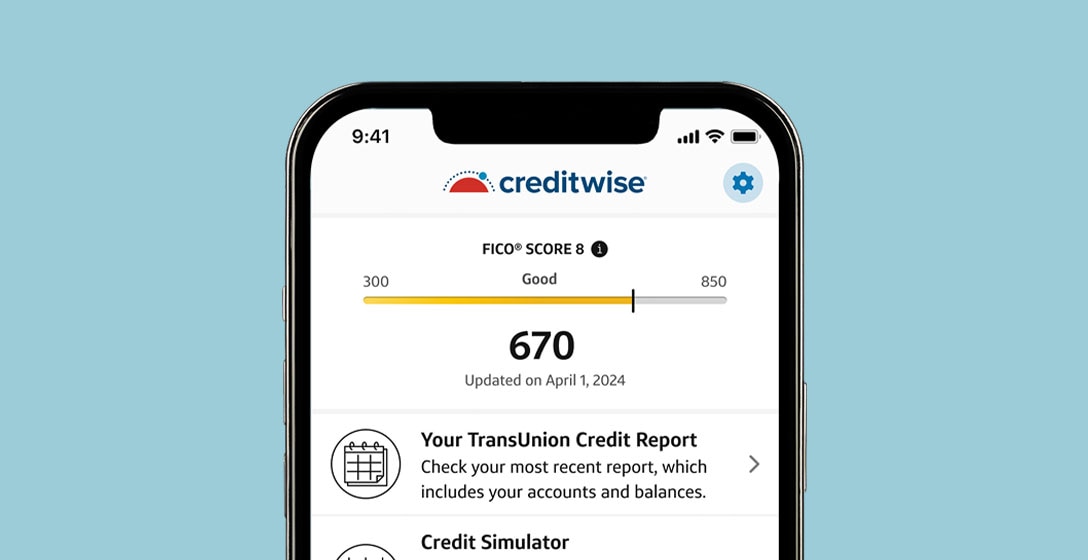
CreditWise from Capital One is another tool that can help. It lets you check your credit report and score for free. And using CreditWise won’t hurt your credit scores.
Key takeaways: How long do hard inquiries stay on your credit report?
Hard inquiries can remain on your credit reports for up to two years and temporarily lower your credit scores. But responsible credit use can help minimize any damage to your credit scores. By monitoring your credit, you’ll be better able to decide the right time to submit a new credit application. You can even use the CreditWise Simulator to test how applying might affect your credit scores.
Ready to explore credit card options? Capital One has cards for people at all credit levels. You can even see if you’ll be approved with 100% certainty before accepting a card offer—without impacting your credit scores.