How the envelope budgeting system works
How cash can help keep your budget on track.
Summary:
-
The envelope method helps you stay on budget by using cash to track your spending each month.
-
Start by listing your expenses so you know where your money goes and how much to set aside.
-
Once your envelopes are set you can only spend what’s inside, which helps you avoid overspending.
-
How the envelope budgeting system works best is when you check and adjust your envelopes each month to keep your budget on track.
A bill here, a visit to the dentist there, a night out with friends and…it’s the end of the month and you’re out of cash. Sometimes that’s all it takes to knock a budget off track.
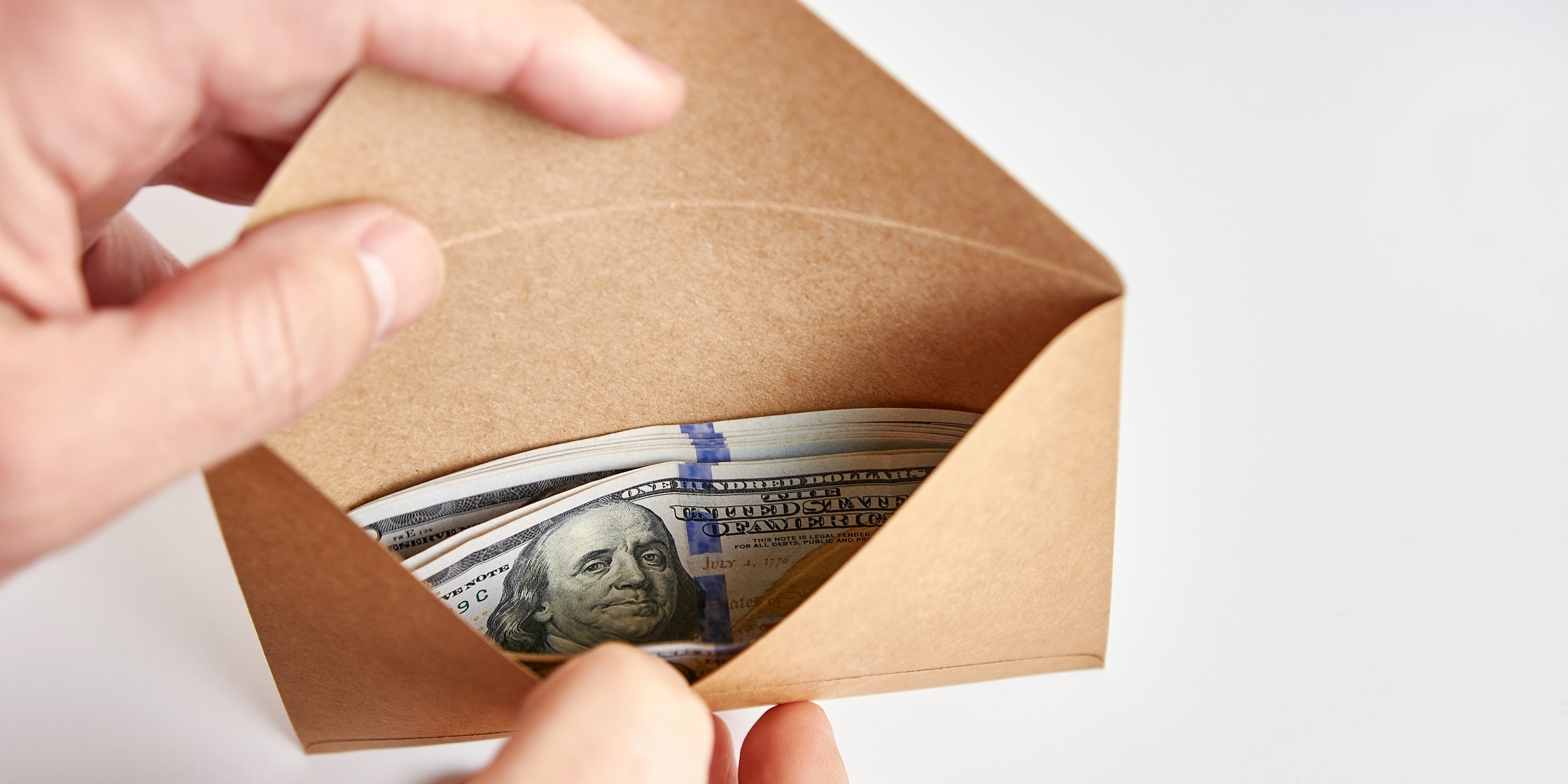
If this happens a lot, you might consider a budgeting approach that involves more than pen, paper, a spreadsheet and willpower: the envelope method. The envelope budgeting method is all about setting aside cash to pay for expenses in different budget categories.
Using cash on hand means you’ll regularly see what’s left of your budget. Get started with this guide on how the envelope budgeting system works with six steps to creating a successful plan.
Step 1: Make a list of your expenses
Start with your fixed costs. These include bills that stay the same month to month (think rent or mortgage, insurance payments and car payments).
Next, consider variable expenses that change every month, including groceries, transportation, entertainment, clothing and utility bills. For some of these costs, like your power, gas and water bills, you can estimate how much they’ll be based on what you had to pay last year.
Step 2: Decide on spending limits for your variable expenses
Got your list of monthly expenses? Now it’s time to decide on realistic limits for next month’s variable costs.
Look at areas where you may be overspending. For many people, the easiest places to cut tend to be eating out at restaurants and entertainment. Set spending limits for whichever budget areas cause you trouble. Make it your goal to spend less in the months to come.
Step 3: Pay your fixed bills with a check or online bill pay
As the new month begins, pay your regular, fixed bills with a check, debit card or online bill pay. Keep in mind, you should only pay bills that rarely change (like your phone or internet, for example) with these payment methods. After those bills are paid, it’s cash all the way.
Step 4: Withdraw cash for your variable bills and divide it up into envelopes
It’s time to put the envelope system to work. Take out enough cash to cover each budget category and separate the money into envelopes. For example, you might start the month with $600 cash in your grocery envelope, $200 in a transportation envelope, $100 in an eating out envelope and $50 in a “treat yourself” envelope. Finding a place to withdraw money is simple with Capital One, since you have access to over 70,000+ Capital One and partner ATMs.

Step 5: Stretch the amount of cash in your envelopes to the end of the month
Limit your monthly spending to the cash you have inside each envelope. As the weeks roll by, you’ll get used to spending less money each time you shop. You might even start looking for ways to cut back to stay within your envelope budget.
If you find yourself with only $100 left for groceries mid-month, for example, you’ll have to get creative to stretch your groceries envelope until the end. Maybe you’ll look for deals and discounts at the store or raid your pantry for forgotten ingredients you can use to make a home-cooked meal. Whatever works—and whatever keeps you under budget—is your best move.
Step 6: Make a few tweaks…and repeat
Estimating your expenses can be hard when you first start out. It’s totally understandable—and normal—to adjust your budget based on your level of success.
After using the envelope budgeting method for the full month, you may decide to raise or lower your spending in certain categories. Budgeting isn’t an exact science, after all. It’s an art that can take months, or even years, to perfect. But you’ve got this.
Key takeaways about how the envelope budgeting system works
A cash-based budgeting system can make spending feel more real and easier to manage. It’s especially helpful if other methods haven’t worked for you. The envelope method offers a simple, hands-on way to stay aware of your spending habits and take greater control of your monthly expenses. This is how the envelope budgeting system works:
-
Divide up your cash into labeled envelopes for each spending category (groceries, transportation, eating out, etc.). When the envelope’s empty, you’re done spending in that category for the month.
-
You can see exactly how much you’ve got left to spend in each category.
-
You can only spend what’s in each envelope, which helps cut down on impulse buys.
-
Adjust your envelopes as your needs change.
By staying consistent with your budgeting, you can build confidence in your spending habits and make steady progress toward your savings goals.
The best way to hit your savings goals is to ensure you have a good savings account. Don't spend your afternoon at a bank branch. Capital One's streamlined process lets you open an account from your couch in about 5 minutes.