Spotlight: How Dietitians On Demand built a community
Building a business is hard enough. Building a community around it is even harder. Here’s how Dietitians On Demand has done both.
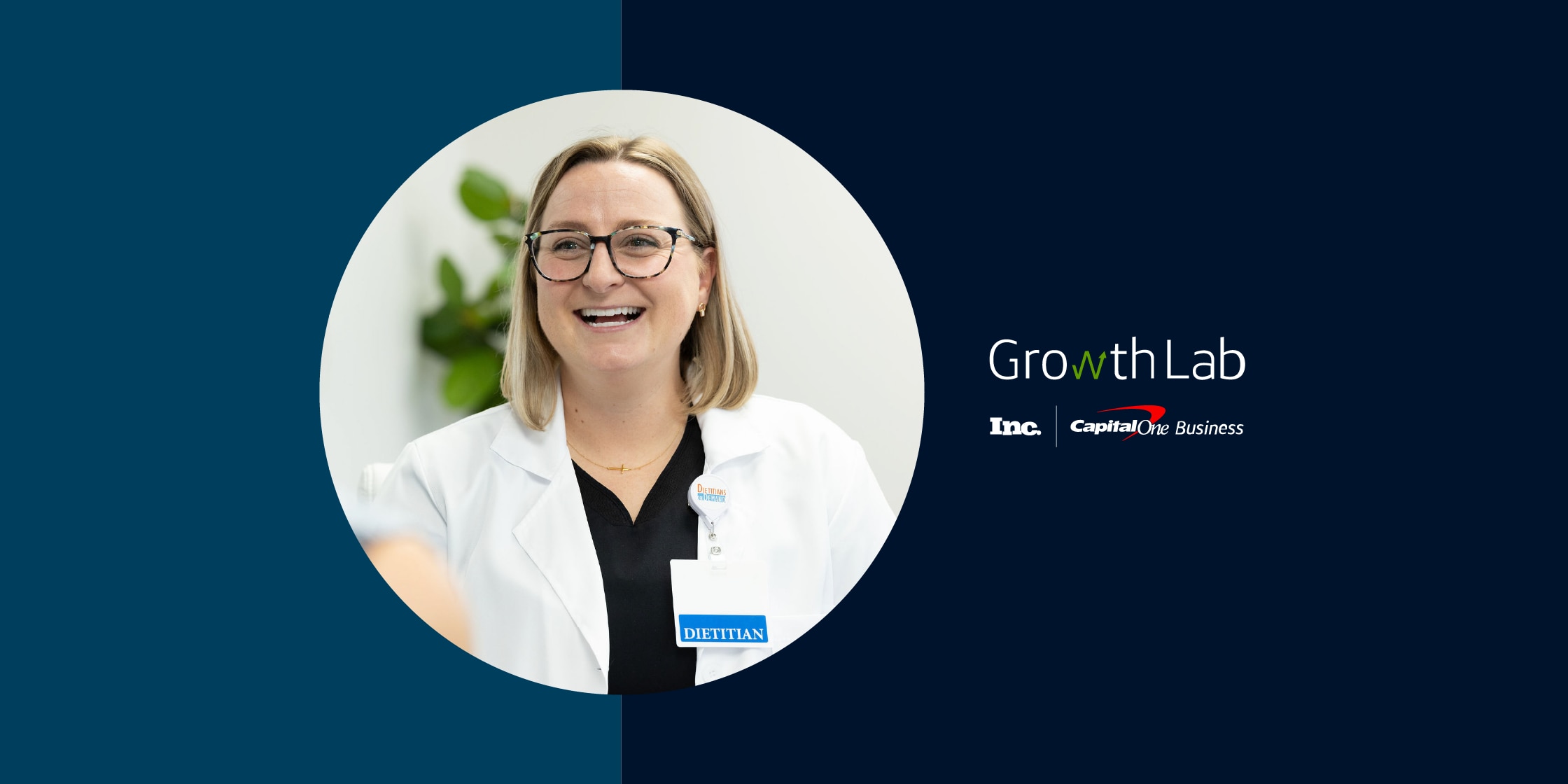
More than two decades ago, Alicia Davis asked a seemingly innocuous question that would change her life. The registered dietitian, who worked at a rehab hospital in Virginia, wanted to take a week off. Her employer said yes, but only if she could find someone to cover her while she was away.
She found a replacement, but after learning that the fill-in was earning about $20 more per hour than she was, she decided to quit her job and become a roving dietitian herself, helping hospitals care for patients with complex nutrition needs, such as those requiring tube feeding or intravenous nutrition. She was soon in such high demand that she began hiring other dietitians to fill assignments she couldn’t take, and before long, Dietitians On Demand was born.
Building community to attract talent
Today, the Richmond, Virginia–based company generates about $20 million in annual revenue and typically has up to 225 dietitians on assignment at any given time, with roughly 600 working with the company over the course of a year. But that success didn’t happen quickly.
“It was low and slow,” says Ryan Davis, Alicia’s husband, cofounder and CEO. “It’s like good barbecue—it doesn’t get cooked fast. It takes a long time.”
At first, Alicia relied on her own network of dietitians to fill roles, but as demand grew, Ryan sought to cast a wider net and, in many ways, began building a broader community of dietitians around the business.
He started by buying a list of registered dietitians and contacting them one by one. He and Alicia also attended conferences, built relationships through local associations and leaned heavily on practice-group listservs, where they posted job opportunities to numerous professionals at once.

“We’ve never used a national job board for any extended period of time,” he says. “It doesn’t work as well as this database of dietitians we’ve been cultivating forever.”
To attract clients, he used Google Pay-Per-Click. He was an early adopter of the technology, he says—where businesses pay a fee only when someone clicks on an ad. He spent about $5 per day, targeting hospitals in the D.C., Maryland and Virginia markets. The ads “played a huge role in being able to pull this off,” he says, noting that in 2007, it helped them land Providence Hospital, which doubled the size of their business from four to eight people.
Getting dietitians to sign on was fairly simple: He offered a very competitive wage, along with assignments that often lasted two months. But as the company established itself, Ryan noticed that people weren’t signing on solely for the pay; they had also heard good things about the company.
“We’re different than a general health care staffing company,” he explains. “We exist solely to support this profession, and they like the resources and the support they get from us, and they’re not dealing with a recruiter who doesn’t understand what a dietitian does.”
That reputation became even more important after the company signed several large food-service companies responsible for managing clinical nutrition programs in hospitals. Those partnerships dramatically expanded the company’s reach and now account for roughly 40% of its revenue. But they also created a new challenge: The company suddenly needed a much larger pipeline of qualified dietitians to keep pace with demand.
Spending more time recruiting wasn’t enough.
“We started running out of things to talk to dietitians about,” Ryan says. “How many times can you say, ‘We have another job available’?”
That thinking led Dietitians On Demand to invest heavily in education. The company has steadily built an extensive online library of webinars, clinical guides, infographics, toolkits and continuing education resources on a wide range of clinical nutrition topics, much of which are offered free of charge.
The resources help market the company to prospective dietitians, but they also give professionals a place to stay current, solve clinical problems and connect with others in their field. That’s especially valuable in a profession with only about 110,000 registered dietitians in the United States, says Ryan.
Creating a culture of empowerment
As far as the company, Ryan says one of the things he’s most proud of is his company’s culture. When he first started out in his career, he held jobs at several organizations that, he says, were not great places to work. That led him to create a culture that, if he were an employee, he’d want to be part of.
“I decided that if I’m going to run this shop, I’m going to treat people the way I want to be treated. What is it that I would want if I were working for a boss?”
His dietitians, all of whom are now W-2 employees with a full slate of benefits, and 22 corporate employees who handle recruiting, sales, finance, operations and marketing, all feel empowered, he says. “They’re given a high degree of trust and a high amount of flexibility. They’re not micromanaged. They’re trained, and they’re supported.”

Capital One has also played a role in the company’s growth. Ryan puts most of the business’s operating expenses on his Capital One Spark Cash Plus card, and he uses a Capital One high-interest savings account to build reserves. He lets the cash-back balance accumulate before redeeming it as an informal owner’s draw, often using it for personal savings or vacations.
Going forward, Ryan says that he and Alicia plan to continue bringing more dietitians into their community and land more clients across the country who need staffing help. “We can keep growing,” he says. “So we’re just trying to keep getting our message out there, find more relationships and find more places to put people.”