When is the best time to see the northern lights in Norway?
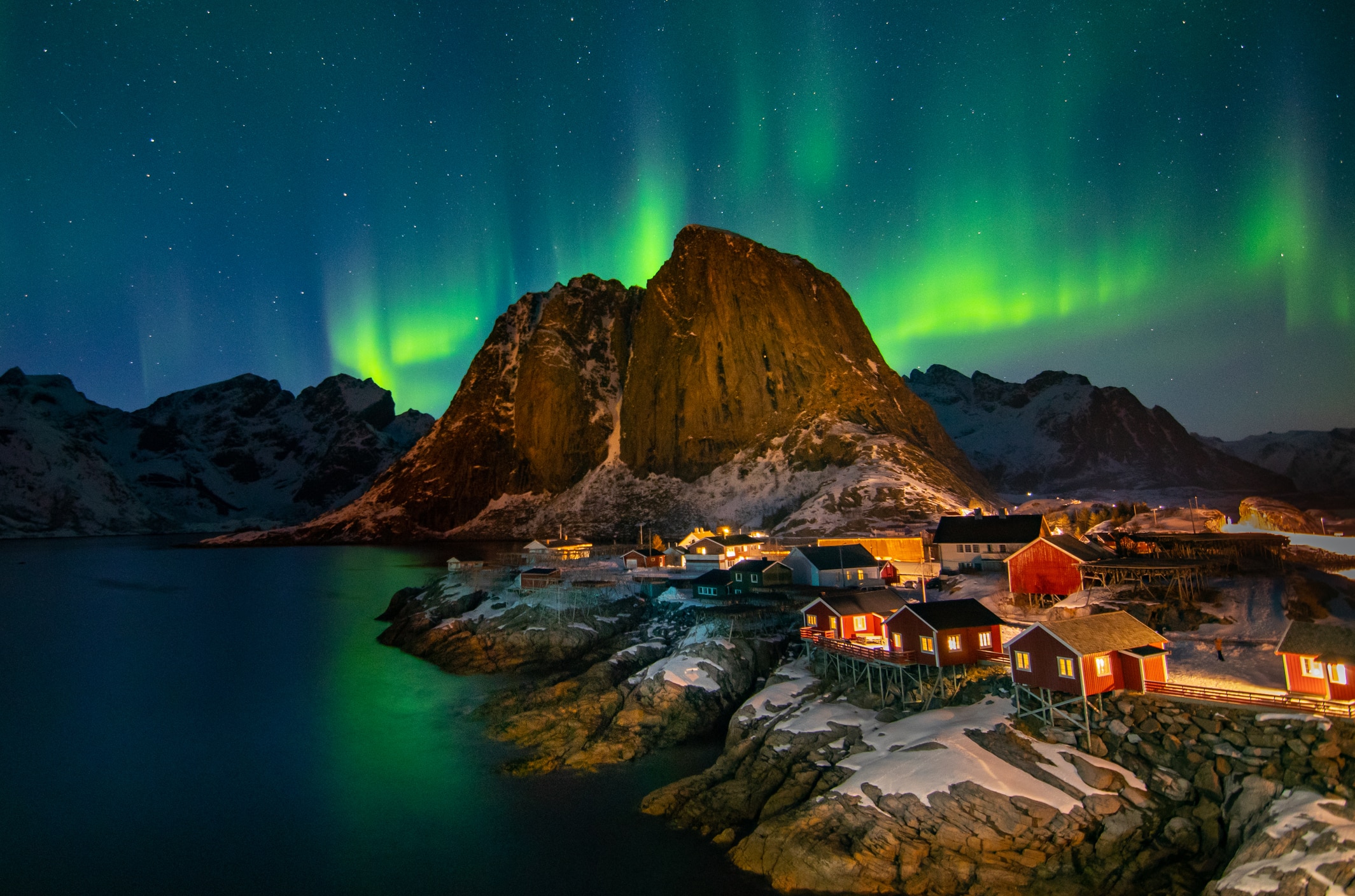
The best time to see the northern lights in Norway falls between December and February, when the nights are longest and darkest.
With its proximity to the Arctic Circle, Norway consistently tops lists of the best places in the world to see the northern lights. Here’s a list of the best times and places to see the northern lights in Norway, along with some tips for creating the ultimate viewing experience.
What you’ll learn:
- You want long and clear dark nights to see the northern lights in Norway, so consider planning your trip between December and February.
- Tromsø, Svalbard, the Lofoten Islands, Alta and Kirkenes are among the best places in Norway to see the northern lights.
- Norway offers plenty of other attractions and activities, including dog sledding, whale watching, skiing, hiking and sailing through fjords.
- Eligible Capital One cardholders can earn elevated rewards when they use Capital One Travel to book their trip.
When can you see the northern lights in Norway?
Generally, the northern lights may be seen in Norway between September and early April.
What are the best months to see the northern lights in Norway?
Peak northern lights season in Norway typically occurs between December and February—when the nights are longest and darkest. But you may still be able to see the northern lights outside of that time frame. Here’s a breakdown of what you can expect during certain months:
- September-November: Solar activity is high as the summer months turn into autumn, so while there are fewer dark hours, you still have a good chance of seeing the auroras.
- December-February: Dark nights are abundant from December through February. Just keep in mind that it’s also the snowy season, which might hinder your viewing possibilities.
- March-April: The spring equinox brings more solar activity, making March—and even early April—a good time to visit Norway to see the northern lights.
What is the best time of night for aurora activity in Norway?
The best time to see the northern lights is typically between 11 p.m. and 2 a.m., so be ready to stay up late. But during midwinter polar nights—when the sun doesn’t rise in northern Norway for several weeks—the aurora borealis may be visible at any time.
Where and when to see the northern lights in Norway
Plenty of locations throughout Norway offer prime glimpses of the northern lights, especially during peak viewing seasons. Here’s where to consider going and each area’s best time to visit:
Tromsø
Known as the Gateway to the Arctic, Tromsø is located more than 200 miles north of the Arctic Circle and just beneath the auroral oval, making it one of the best places to visit in Norway to view the northern lights.
Along with northern lights tours, you’ll find a variety of other exciting things to do and see in Tromsø, like dog sledding, whale watching and fjord excursions. In between activities, stop by a local restaurant and sample Norway’s cuisine and use your Capital One Savor card to earn unlimited 3% cash back on dining out. Plus, the Savor card doesn’t charge foreign transaction fees. View important rates and disclosures.
Best time to see the northern lights in Tromsø: You have a good chance of viewing the northern lights in Tromsø from September through early April as long as conditions are clear. Just make sure to book your trip early, especially if you plan to go during the peak season of December to February. Local accommodations can fill up quickly.
Svalbard
Svalbard is an archipelago located about 650 miles from the North Pole that offers some incredible northern lights viewing experiences. It also has bustling towns with plenty of restaurants, breweries and shops. Be on the lookout for reindeer roaming the streets, and don’t wander too far on your own; Svalbard is home to polar bears, too.
When to see the northern lights in Svalbard: There’s almost 24 hours of constant daylight during Svalbard’s summer months. But from November through January, the opposite is true. This phenomenon, referred to as the polar night, makes Svalbard one of the best places to see the northern lights in Norway. You might even spot them while you’re sipping your morning coffee.
The Lofoten Islands
The Lofoten Islands are nestled just under the auroral oval and can have stunning views of the northern lights—sometimes for as many as eight months of the year. If you’re lucky enough to get clear skies on your trip, you have a good chance of seeing the northern lights while strolling along one of the Lofoten Islands’ many sandy beaches. Consider squeezing in some alpine skiing, horseback riding or snowshoeing while you’re there.
When you can see the northern lights in the Lofoten Islands: On a clear winter night, you might be rewarded with a spectacular light show in the Lofoten Islands. Fall and early spring may also have good viewing conditions, but nights aren’t as long during this time of year. And the lights tend to fade away from the sky in April.
Alta
One of the first northern lights observatories was built in Alta in the 1800s. The observatory is closed now, but Alta’s minimal light pollution and long, dark nights make it one of the best places in Norway to see the northern lights. Alta is also a top destination for whale watching, so you may want to book a whale safari to see if you can spy some orcas and humpbacks.
Best time for aurora borealis viewing in Alta: Like other northern Norway cities, the winter months—when nights are the longest and darkest—are the best times to see the northern lights. Luckily, the best time for whale watching in Alta tends to be November through January, too.
Kirkenes
Kirkenes is located in northeastern Norway, just a few miles from the Russian border. In between stints of gazing at the northern lights, go on a king crab harvesting safari, embark on a husky-led dog sledding adventure or spend a night in an ice hotel.
When to see northern lights in Kirkenes: You’ll have a better chance of experiencing the clear, dark nights you need to see the northern lights from late September to early April. A perk of going to Kirkenes is the local airport, which offers regular connecting flights to bigger cities like Oslo, plus connections to other northern lights viewing locales like Alta and Tromsø.
How to plan your trip to see the Norwegian northern lights
Now that you know the best places and the best time to visit Norway for northern lights viewing, it’s time to make sure your passport is updated and ready to go. Here are a few other things to keep in mind when planning your trip to Norway:
Choose where and when to go
Pick your location and timing, keeping in mind that your odds of seeing the northern lights can increase during the months of September through early April. Accommodations can fill up fast, especially in smaller towns during peak tourist season. So consider making reservations as far ahead of time as possible. You may want to book a northern lights tour so an expert can guide you to the best viewing spots, too.
Check the forecast
Some services track and forecast the northern lights. Checking one of these may help you plan your trip around the lights. But keep in mind that night sky conditions can vary by the hour, so there are no guarantees. Remember to pack for the chilly temperatures—think layers and water-resistant coats, gloves and hats.
Build your itinerary
The northern lights are just one of the many things Norway has to offer. Take some time to research the area you want to visit and consider booking other activities so you have things to fill your days as well as your nights. Think dog sledding, skiing and wildlife excursions.
Key takeaways: Best time to see the northern lights in Norway
If you’re dreaming of seeing the northern lights in Norway, timing is everything. Peak viewing season stretches from September to early April, and you may have the best chances of seeing the lights from December to February. But remember that it all depends on the sky’s conditions. And regardless of whether you get to see the northern lights, Norway has a ton of other activities and attractions to offer.
Capital One offers travel rewards credit cards with exclusive benefits and elevated rewards that can help make your travel experience more enjoyable.
- Explore travel rewards cards with unlimited miles you can actually use.
- Elevate your next adventure with the Venture X card, which offers premium travel benefits and more.
- Earn unlimited 2X miles on every purchase, every day, with the Venture card.
- Earn unlimited 1.25X miles on every purchase, every day, with the VentureOne card.