Debt consolidation loans: What they are and how they work

A debt consolidation loan is used to combine multiple debts, such as credit card balances or medical bills. The general idea is to simplify payments (and potentially lower interest rates) into a single loan that’s easier to manage and pay off.
A debt consolidation loan doesn’t erase debt, exactly. But ideally, it could help simplify payments and improve loan terms.
What you’ll learn:
-
Debt consolidation loans roll multiple debts into a single account with one monthly payment.
-
Consolidating debt might help save money on monthly payments, interest or both. But it doesn’t eliminate debt.
-
Credit card balance transfers are another way to consolidate debt from credit cards and other loans.
-
Typically, you can’t transfer balances between multiple cards from the same issuer.
What is a debt consolidation loan?
A debt consolidation loan combines multiple debts into one account with a single monthly payment.
Debt consolidation doesn’t erase debt, but it may be a helpful tool, especially for high-interest debt. If the debt consolidation loan has a lower interest rate, it may lead to lower monthly payments and fewer payment deadlines to track.
How does debt consolidation work?
Debt consolidation combines multiple debts (credit cards, student loans and medical bills, for example) into a single loan or a balance transfer. It could help streamline payments into one monthly bill and potentially reduce interest rates.
Debt consolidation loans might be repaid in installments. This means the entire loan amount is provided up front and then repaid in regular intervals at consistent amounts.
Credit card balance transfers are a way to use revolving credit to consolidate debt.
Pros and cons of debt consolidation loans
Considering potential advantages and risks might help you decide whether debt consolidation is right for you.
Advantages of consolidating debt
Here are a few potential benefits of a debt consolidation loan:
-
Simplified payments: With a consolidation loan, you turn multiple payments into one.
-
Better rates: A debt consolidation loan may offer a lower annual percentage rate (APR) or interest rate, which could help reduce how much you pay over time.
-
Faster payoffs: Lowering the amount of interest you’re paying means you might be able to pay down debt faster.
- Credit improvement: Making on-time payments and reducing total debt could help you improve your credit scores over time.
Potential cons of debt consolidation
A debt consolidation loan isn’t necessarily the best option for everyone. In general, if you’re not improving your interest rate or payment terms, a debt consolidation loan might not be worth it. Here are a few things to keep in mind when considering whether it’s right for you:
-
No quick fix: Debt consolidation doesn’t eliminate debt. It just shifts who ultimately owns the debt.
-
Potential fees: Fees, longer repayment terms and other costs could make consolidation more expensive in the long run.
- No guaranteed savings: Without better rates or terms, consolidating payments doesn’t always guarantee lower monthly payments.
How to get a consolidation loan
If you think a debt consolidation loan is right for you, having a clear plan can help you apply for a loan that saves money and makes debt easier to manage. When comparing loans, you could consider interest rates, fees, loan terms and how a loan application might affect your credit scores.
Alternative ways to manage debt
A debt consolidation loan isn’t the right choice for everyone. Here are a few other ways to consolidate debt.
Credit card balance transfer
A credit card balance transfer lets you consolidate multiple balances into one credit card account with a new issuer. And if the credit card has a lower interest rate than your existing accounts do, it could save you money on interest. Keep in mind that balance transfers may come with a fee.
A balance transfer card with a low introductory rate might be a great option. Just be sure you know how it works and when the introductory rate ends.
If you’re considering a credit card balance transfer, the Consumer Financial Protection Bureau (CFPB) recommends carefully reviewing:
-
Introductory and ongoing interest rates: Get a handle on how long the introductory rate lasts on your transferred balance. Verify whether a different rate applies to any new purchases you make. And be sure you know how much your interest rate will go up if you don’t pay off the balance before the introductory period ends.
-
Fees and total costs: Find out if the card charges fees.
- Potential impact on credit: Consider how opening a new card and transferring a balance could affect your credit scores.
Debt payoff strategies
If you’re not ready to take out a new line of credit, there are other debt payoff strategies.
-
Debt avalanche method: The debt avalanche method involves paying off your highest interest rate debt first, then moving on to the debt with the next highest interest rate and so on.
-
Debt snowball method: There’s also the debt snowball method, which focuses on paying off the debt with the smallest balance first, then the next smallest balance and so on.
These are just two debt payoff strategies to consider. As with any financial decision, it’s important to think through all your options and make the choice that’s right for you.
Debt management plans
Another way to consolidate debt is through a debt management plan. In general, a lump-sum payment is made each month to an organization, which then distributes it among creditors.
It’s important to be careful about the type of organization you work with. According to the CFPB, most credit counseling companies are nonprofit organizations that can offer legitimate support. Credit counselors may provide budgeting advice and organize debt management plans.
To find reputable credit counseling services, the CFPB recommends:
-
The Financial Counseling Association of America (FCAA)
-
The National Foundation for Credit Counseling (NFCC)
-
The U.S. Department of Justice’s list of approved credit counselors
In contrast, the CFPB says that working with for-profit debt settlement companies can be risky. These companies often charge high debt settlement fees and may encourage clients to stop paying their credit card bills. This can affect credit scores and result in late fees or penalties. In some cases, costs may outweigh any potential savings.
Ultimately, the CFPB says that debt settlement companies could leave you in deeper debt than where you started. So before working with a debt settlement company, be sure to do your research.
Debt consolidation loan FAQ
Here’s more information about consolidating debt.
How are debt consolidation interest rates determined?
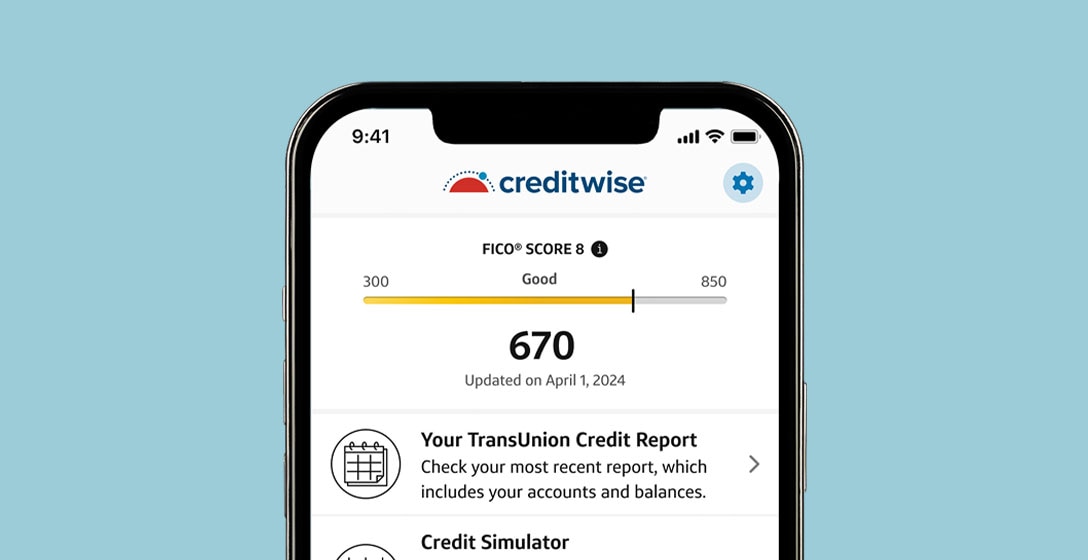
In general, the better your credit scores are, the lower your debt consolidation interest rate could be. You can check your credit score for free with CreditWise from Capital One. Using CreditWise won’t hurt your credit scores, and it’s free for everyone.
You can also get free copies of your credit reports from each of the three major credit bureaus by visiting AnnualCreditReport.com.
Does debt consolidation hurt your credit scores?
A debt consolidation loan might have a small negative impact on your credit scores. One reason that there may be an impact to your scores is that applying for a debt consolidation loan requires a hard inquiry, which can cause a temporary dip in your scores. Over the long term, however, making monthly payments on time can help your credit scores.
CreditWise can help you learn more. You can use the free Credit Score Simulator to see how certain scenarios, including applying for a loan or paying off debt, might affect your credit scores.
What is the minimum credit score needed for a debt consolidation loan?
There’s no set minimum credit score for debt consolidation loans, and each lender has its own eligibility requirements. Even borrowers with bad credit scores may find they’re able to secure a debt consolidation loan. But a lower credit score could mean more fees and higher interest rates.
Key takeaways: Debt consolidation loans
If you have multiple debts, a debt consolidation loan might be something to consider. A good way to start is by exploring the different debt consolidation options and understanding the interest rates and costs involved.
If a credit card balance transfer is part of your plans, you could compare cards from Capital One. You even can see whether you’re pre-approved for card offers before applying, with no impact on your credit scores.