Self-reporting credit: What to know

Self-reporting alternative data to credit bureaus may help raise your credit scores. But self-reporting things like rent and cellphone payments isn’t a matter of calling the credit bureaus and telling them. You’ll likely have to work with a third-party service to report alternative data.
What you’ll learn:
-
Credit reports contain information about your credit accounts that lenders and other companies send to credit bureaus.
-
Information—such as rent, utility and cellphone payment—that isn’t typically included in credit reports is called alternative data.
-
You may be able to send alternative data to credit bureaus using third-party payment reporting services.
-
Self-reporting alternative data to credit bureaus might help improve your credit scores.
What information is reported to credit bureaus?
Equifax®, Experian® and TransUnion® are the three major credit bureaus. Lenders and other companies send them information about credit accounts, like student loans, mortgages, car loans and credit cards. Bureaus then use that information to compile credit reports.
Lenders, in turn, use credit reports to determine creditworthiness and make lending decisions, like whether to approve credit card applications and what interest rates to offer. Employers and landlords may also check credit reports when making hiring and housing decisions.
How do you check your credit reports?
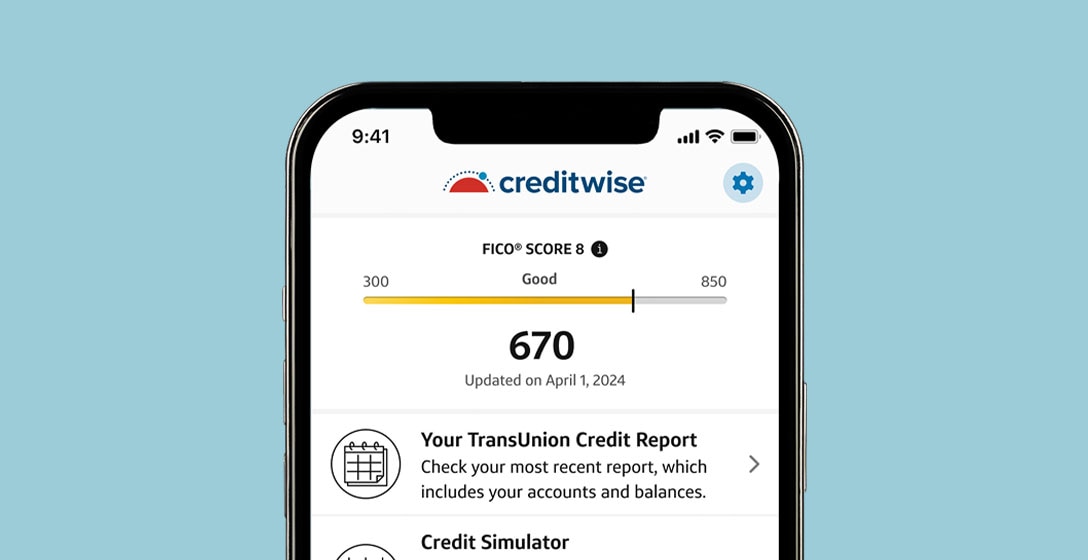
You can get free copies of your credit reports by visiting AnnualCreditReport.com. You can also monitor your credit report and score using CreditWise from Capital One. It’s free, even if you’re not a Capital One cardholder. And using CreditWise won’t hurt your credit scores.
To find out what payments are being reported to credit bureaus, look for the tradelines listed in your credit report. Tradelines contain information like the lender, the debt amount and whether payments are made on time. You’ll have a separate tradeline for each open credit account.
What does it mean to self-report to credit bureaus?
The term self-reporting can be misleading because you can’t directly report information to credit bureaus yourself.
Self-reporting means using third-party services to send credit bureaus alternative data. For example, you might have a third-party service report your utility payments to help you build a positive payment history and give lenders additional insight into your creditworthiness.
What types of alternative data can be self-reported to credit bureaus?
Some examples of alternative data that could be shared with credit bureaus include payments and activity related to:
-
Rent
-
Utilities like electricity, water and gas
-
Cellphones, internet and streaming services
-
Banking history, deposits, withdrawals and transfers
How to self-report to credit bureaus
While you can’t report your payment history directly to credit bureaus, there are some ways you might get your information to them. Here’s how to report alternative payments to credit bureaus:
-
Work with your lender. Lenders aren’t required to report mortgages and auto loans. If your lender doesn’t, you may be able to request that it start.
-
Use third-party credit reporting services. Researching options can help you understand more about how the company operates, what credit bureaus will get your information and whether the service is free.
Advantages and disadvantages of self-reporting credit information
Here’s a closer look at some potential pros and cons of self-reporting to credit bureaus.
Advantages of self-reporting credit information
Self-reporting to credit bureaus could help you in several ways. For example, it could help you:
-
Boost your credit scores: If you consistently pay bills on time and that information is reported to credit bureaus.
-
Build credit without taking on new debt: Some of the most common methods of building credit involve taking on debt through credit card accounts or loans. Self-reporting might help you improve your credit without managing additional debt.
-
Qualify for loans and credit cards: Higher credit scores could help you qualify for more credit options and more favorable terms and interest rates.
Potential disadvantages of self-reporting credit information
Before you decide to use a third-party reporting service, you may want to keep in mind:
-
Companies might charge for their services.
-
Companies may not report to all three major credit bureaus.
-
Even if your bill payments are in your credit reports, that won’t guarantee a boost to your credit scores.
Key takeaways: Self-reporting credit
By using third-party services, you may be able to self-report rent and utility payments, which typically aren’t included in credit reports.
One way to monitor your credit report and score is with CreditWise. Using it won’t hurt your credit scores and it’s free, even if you’re not a Capital One cardholder.