5 money management tips to help you improve your finances

Money management is the process of dealing with your finances. It includes everything from budgeting to using credit to paying off debt. But it can take know-how and persistence to get on the road to better financial health.
If you’re interested in managing your money better, these tips could help.
What you’ll learn:
-
Approaching money management in an informed, strategic way could help you reach your financial goals.
-
There are strategies and tools to help you create a budget, track your spending, make a plan to save, pay off debt and establish good credit habits.
-
Establishing and building your credit scores could benefit your finances in many ways, such as helping you qualify for better interest rates or get approved for a credit card.

1. Create a budget
Creating a budget is a great first step toward managing your money. According to the Consumer Financial Protection Bureau (CFPB), “Budgeting helps ensure that you’ll have enough money for the things you need and the things you want, while still building your savings for future goals.”
You can start with these simple steps:
-
Add up your monthly income. This includes your salary from your job plus other sources of income like bonuses, tax refunds or income from side work.
-
Track your spending. Keeping track of your spending is a key part of creating a budget. You can start by listing out your regular monthly expenses in categories like housing, food, student loans and transportation. For monthly payments that aren’t always the same amount, like entertainment and utilities, you could use an average from previous months. Capital One cardholders can take advantage of free digital tools in the Capital One Mobile app to help track spending.
-
Subtract your expenses from your income. This amount will be the starting place for your budget. Anything left over is where you can start if you’re paying down debt and building up savings.
Think of your budget as a living document. That way, you can make adjustments if you need to, like when you eliminate or add a monthly expense. If you want to learn more, check out these budgeting tips.
2. Invest and save for retirement
Retirement accounts are one way to invest and save for the future. Here are a few types of retirement accounts it may help to know about:
-
401(k) plan through your employer: With a 401(k), you can deposit pretax dollars through a regular deduction from your paycheck. Beth Sabin, an executive at Capital One, says, “If you have a company match through your 401(k), this can be a great place to start by contributing until you have your full match.” She also recommends upping your contribution by 1% to see if that’s doable for you. If it is, you might increase it by another percentage point to accelerate your savings.
-
403(b) plan: Like 401(k) plans, 403(b) plans are employer sponsored. One difference is that 403(b) plans are offered by public schools and some tax-exempt organizations. Contributions to traditional 403(b) plans are tax-deferred—just like they are with traditional 401(k) plans. So you don’t have to pay taxes on the contributions or earnings until you withdraw funds from the account.
-
Individual retirement account (IRA): Contributions to a traditional IRA are tax-deferred. A traditional IRA is an account that’s generally self-directed and not sponsored by an employer. Once you retire and start making withdrawals, the money will be taxed at your regular income tax rate.
-
Roth IRA: While contributions to a Roth IRA aren’t tax-deductible when you make them, you may be able to withdraw your money tax-free during your retirement years.
3. Create an emergency fund
Building an emergency fund can help with money management because you can be prepared for unexpected life events, like a job loss or major home repairs.
Here are a few tips to help you start saving:
-
Remember that interest rates can vary. It may be wise to shop around for a savings account. If you find an account with a better rate, the extra interest can add up over time. Some banks even offer high-yield savings accounts.
-
Put extra income into your account. When you get a tax refund or a bonus at your job, you could deposit it into your savings account to give your emergency fund a boost.
-
Set up automatic savings. If direct deposit is an option, sending a portion of your paycheck directly to a savings account could help. That way, the money will still be accessible to you when you need it, but you may be less tempted to use it for nonemergencies.
4. Pay down debt
For many people, managing money includes managing debts. Since higher-interest-rate debts can cost more in the long run, it’s common to tackle those debts first.
The debt avalanche method, or the highest-interest-rate method, starts with listing your debts based on their interest rates, from highest to lowest. You put your money toward the debt with the highest interest rate first. Once that’s paid off, those extra funds can be used to pay off the next debt on your list. You also continue to make the minimum payments on all your debts.
But there’s more than one way to pay off debt. Depending on your situation, you might find other strategies to be a better fit. The snowball method focuses on using any extra money to pay off your smallest balance first while making the minimum payments on your other debts. Then move to your next-smallest balance and so on. Debt consolidation is another option, which involves rolling multiple debts into one account.
5. Practice good credit habits
Credit can be a major part of a person’s financial health. Lenders may use your credit scores and reports to help decide whether to approve you for credit and what terms to offer you. Your credit scores can even come into play when it comes to things like renting an apartment or applying for a job.
As you work on managing your debts and spending, practicing good credit habits could improve your credit scores and help set you up for a brighter financial future.
Here are a few good credit habits to consider:
-
Pay your bills on time, every time. Late payments can impact your credit scores and trigger late fees and penalty APRs. If you’re worried about forgetting or want to help prioritize essential bills, setting up automatic payments may be helpful.
-
Don’t get close to your credit limits. The CFPB recommends keeping your credit utilization ratio below 30%.
-
Work at establishing a long credit history. Before closing a credit account, make sure to think through how it may affect your credit scores.
-
Only apply for the credit you need. Applying for a new line of credit can trigger a hard inquiry, which can impact your scores. And too many hard inquiries, especially in a short period of time, can have a larger negative effect on your credit scores.
-
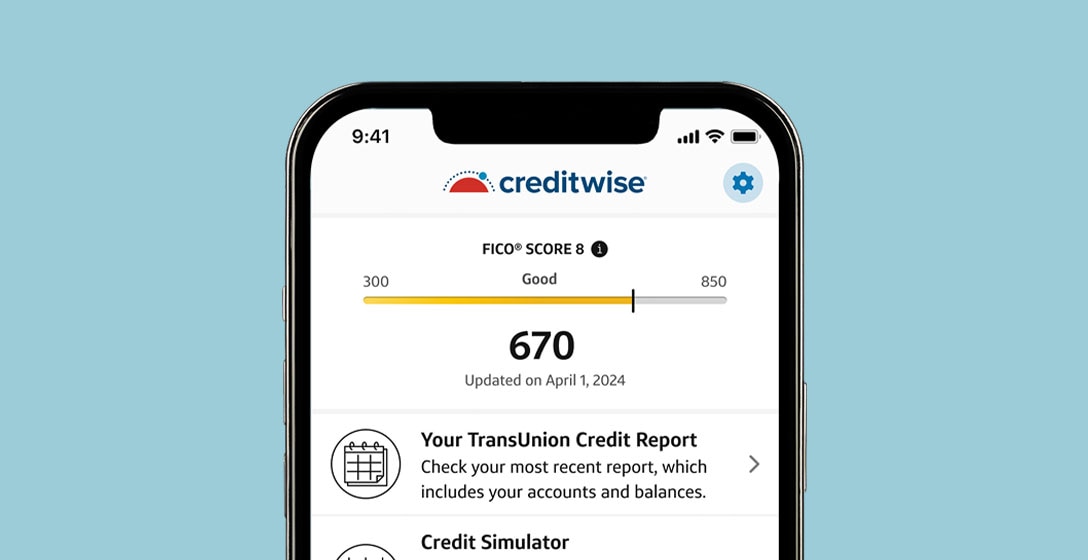
Monitor your credit regularly. Regularly monitoring your credit is another important part of credit health. CreditWise from Capital One offers an easy way to access your credit report and credit score without hurting your scores. CreditWise is free, whether you’re a Capital One customer or not. You can also get free copies of your credit reports from all three of the major credit bureaus at AnnualCreditReport.com.
Key takeaways: Money management tips
Managing your money and reaching your financial goals takes time and consistency. But doing things like budgeting, saving, paying down debt and using credit responsibly can help you get there.
Credit cards can be helpful tools for several aspects of money management, including debt consolidation, tracking spending and building credit. If a credit card could help you achieve your financial goals, you can get started by comparing credit cards and seeing if you’ll be approved—with no harm to your credit scores.