How does your credit score affect your interest rate?

Credit scores are important for a lot of different reasons. For example, your credit scores can influence whether you qualify for credit cards and loans. And your scores affect the terms you’re offered too—including the interest rate.
Learn more about how credit scores can affect interest rates. Plus, explore some ways to improve your scores and help you qualify for the best rates.
What you’ll learn:
-
Lenders often consider credit scores when deciding what interest rate to offer.
-
Higher credit scores can help you qualify for better interest rates across different types of credit, including credit cards, auto loans and mortgages.
-
Paying bills on time and keeping credit utilization low may help you improve your credit scores over time.
How credit score ranges impact interest rates
Lenders typically review credit scores when deciding whether to approve loans and what interest rate to offer. So the better your credit scores, the better the interest rates you’re offered might be.
You can see in the chart how FICO, a major credit scorer, categorizes its credit scores—and how credit bureau Experian says each scoring range could affect interest rates
|
FICO score |
Rates according to Experian |
|
Exceptional: 800-850 |
“Might already receive the best-available offers.” |
|
Very good: 740-799 |
“Could receive the lowest advertised interest rates.” |
|
Good: 670-739 |
“Likely qualify for many loans and credit cards with low fees and interest rates.” |
|
Fair: 580-669 |
“Decent terms” compared to poor credit. |
|
Poor: 330-579 |
“Higher fees and interest rates compared to accounts of borrowers with better credit.” |
Which financial products are affected by your credit score?
Your credit scores can influence the interest rate you’re offered for many types of credit, including:
-
Credit cards: According to the Consumer Financial Protection Bureau (CFPB), credit card issuers may use information from your application and credit history to determine what interest rate to offer. You can compare Capital One credit cards to find one that’s right for you. You can even filter your options by card type, credit level and benefits to find the perfect fit.
-
Auto loans: Auto lenders may look at several factors when deciding what interest rate to offer, including your credit scores. The CFPB recommends comparing offers from different lenders to help you find the best deal. With the Capital One Auto Navigator, you can see if you pre-qualify for financing in minutes with no impact on your credit score. That way, you’ll know your financing terms before you head to a participating dealer.
-
Mortgages: Credit scores are among the factors mortgage lenders consider when setting interest rates. Curious to learn more? Check out the CFPB to dive deeper into how credit scores can affect the price of a mortgage.
5 ways to improve your credit scores before applying for new credit
Building credit takes time and consistent responsible use. Here are a few things you can do to help improve your credit scores before applying for a new loan or credit card:
-
Pay your bills on time. Your payment history is the most important factor when it comes to your credit scores. So avoiding missed or late payments can be an important step in improving your credit. Setting up automatic payments could help you make payments on time.
-
Keep your credit utilization low. The CFPB recommends keeping your credit utilization ratio below 30% to show creditors you’re managing your credit responsibly. The CFPB recommends paying off your full balance whenever possible.
-
Apply only for the credit you need. Each new credit application may trigger a hard inquiry, which can temporarily lower your scores. And multiple hard inquiries in a short period of time may have a more significant effect.
-
Consider the effect of closing old credit accounts. Closing a credit account could raise your credit utilization ratio and lower your credit age, which could harm your credit scores. Before you close an account—especially one you’ve had for a long time—you may want to consider how it could affect your scores.
Key takeaways: Credit score and interest rate
Credit scores can have a direct impact on the interest rates lenders offer. The higher your score, the better interest rates you may be offered.
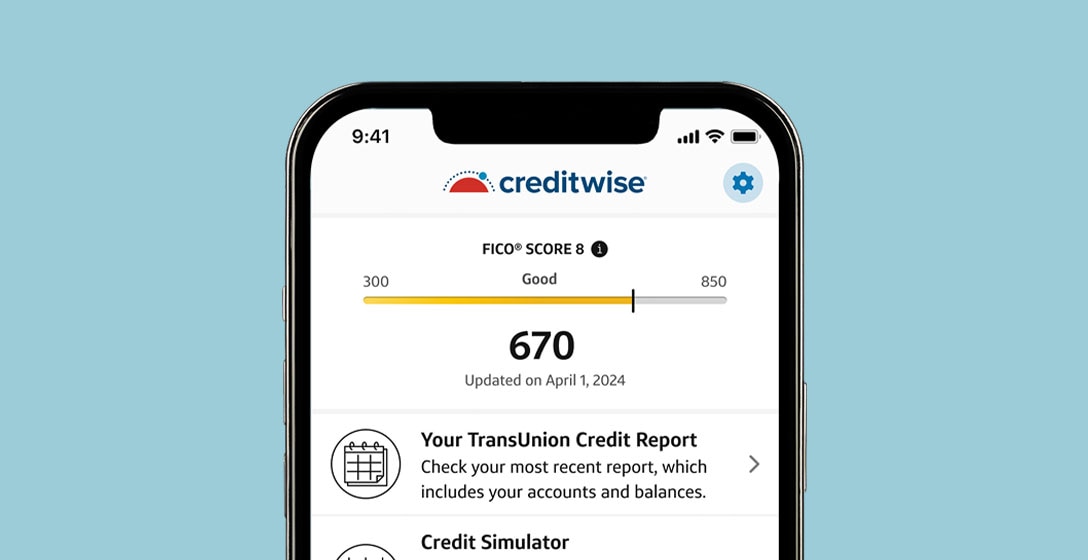
Monitoring your credit can help you see exactly where you stand. One way to keep an eye on your credit is with CreditWise from Capital One. CreditWise lets you access your credit report and credit score for free without hurting your credit scores.