How a beverage startup became a break room staple
Office Libations’ focus on service and growth is helping its clients keep their staff—and customers—happy.
When Claude Burns, a Capital One Business customer, launched an online monthly subscription beer service in 2013, he figured he would be selling amateur homebrewer-inspired craft microbrews to thirsty customers across the country. There was just one problem: He was making more beer than he could sell.
Rather than drowning his sorrows, Burns pivoted to selling beer to offices. Soon customers started asking for more than beer; they wanted snacks, coffee, soft drinks and other foods to keep their staff happy. Realizing he had stumbled onto something bigger than beer, Burns launched San Leandro, California–based Office Libations, a company that’s now been going strong for nearly 12 years.
“Things change over time,” he says. “In the early days, you have to know what your customers want, and you have to provide that. We had to figure out the market and the right product-market fit.”
Snacks as strategy
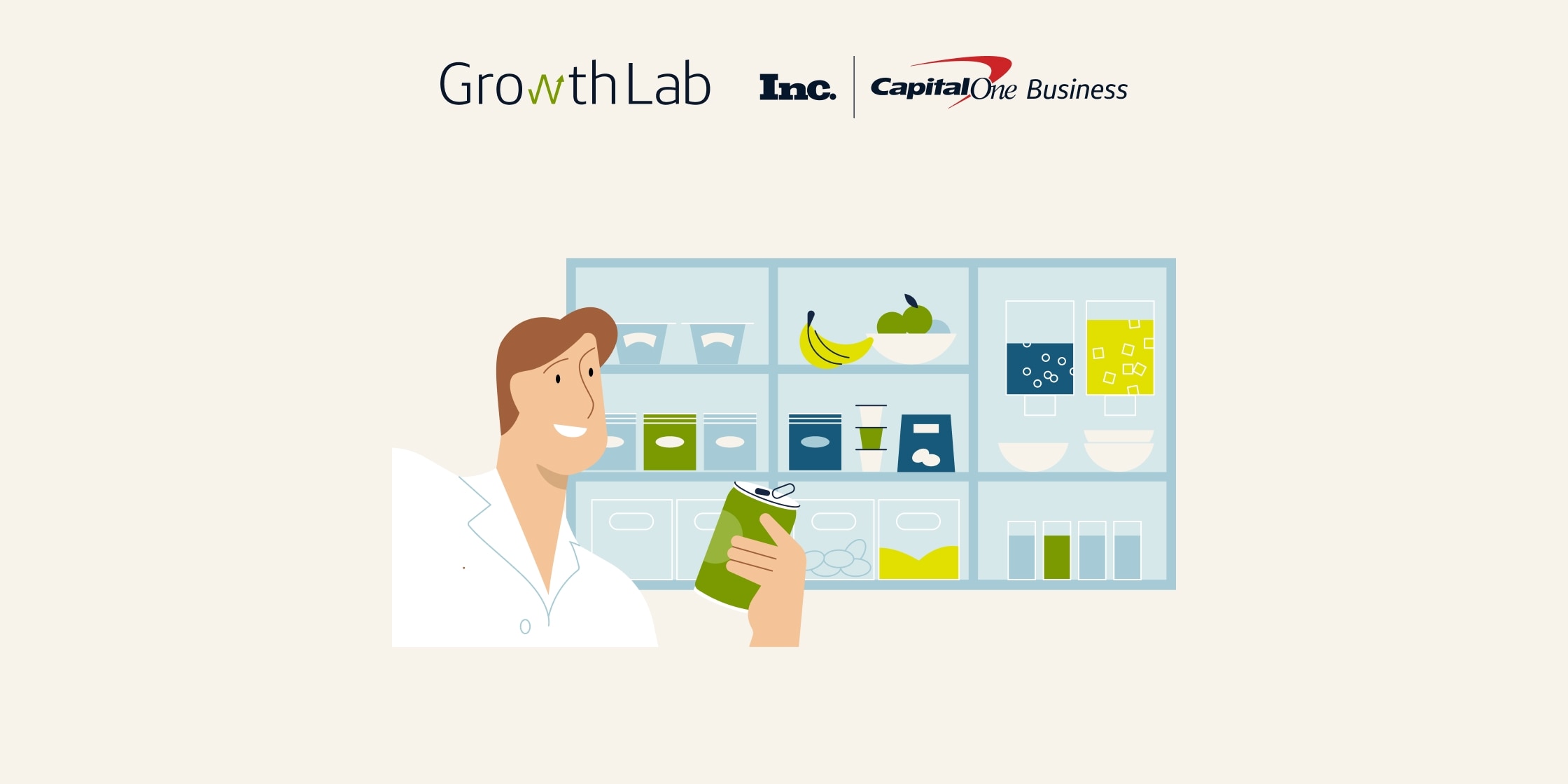
At its core, Burns’ business remains fairly simple: Companies, mostly in human-capital-intensive industries such as tech, biotech and advanced manufacturing, want to provide perks to make their workplaces more attractive. One effective way to do that is through food. Office Libations offers a recurring “pantry service” model. Every week, the company replenishes customers’ coffee, drinks, snacks and fresh fruit to keep their office kitchens stocked.
What sets the company apart, however, is its custom-built technology. Because office pantries typically don’t have cash registers or scanners, Office Libations developed its own system to track consumption patterns and inventory. Service staff use a mobile app to log inventory, photograph restocks and flag issues, while clients can access dashboards that show exactly where their food budgets are going. That data helps companies fine-tune everything from beverage preferences to snack variety while also helping Office Libations ensure that people are getting exactly what they want.
The service is an important culture benefit, too. “Everyone talks about the food and snacks,” Burns says. “It’s a low-cost way to create a nice environment.”

Putting people first
That combination of high-touch service and technology has fueled significant growth. Office Libations now generates north of eight figures in annual revenue and has expanded beyond the San Francisco Bay Area into Denver, Austin and New York. The company employs more than 70 people across warehouse operations, service teams, customer success, sales and software development and has been growing year over year at roughly 55%.
One of the biggest contributors to that success, Burns says, is workplace culture. The company places a strong emphasis on service, ensuring that everyone, whether they’re stocking shelves or writing code, understands their role in serving the end client. At the same time, employees are encouraged to adopt a growth mindset.
“We don’t care if something is working now,” Burns says. “We want to know: Is there a better way to do it?”
Burns has made a point of empowering employees to improve the business themselves. Warehouse teams regularly redesign workflows to increase efficiency, while service staff provide feedback that leads directly to software updates. Recently, employees reconfigured a cold-storage area at one Office Libations facility, effectively doubling capacity without adding square footage—an innovation Burns admits he never would have come up with on his own.
Office Libations also practices what it preaches. The company runs its own fully stocked break room, hosts weekly team lunches and offers a comprehensive benefits package that includes health coverage, paid time off and even pet insurance. This year, Burns introduced a profit-sharing program designed to reward long-term employees as the company grows.
He sees those investments as part of a broader shift in how businesses think about human resources. “HR used to be about compliance,” Burns says. “Now companies are realizing it’s about building better teams. Supporting people helps you grow.”
Capital One Business has also played a role in supporting the company’s growth. For years, Burns has relied on Capital One Business credit cards to manage inventory purchases and operating expenses, particularly during periods of expansion.
For aspiring entrepreneurs, Burns offers this advice: Listen closely to customers, don’t be afraid to pivot, and hire people who can make the business better than you ever could on your own. “At a certain point, you can’t do everything yourself,” he says. “It’s all about hiring the right people who can help you build something bigger.”