Seniors housing gets more valuable as demand rises
Demographics are boosting demand for seniors housing while new construction is limited—and investors are taking notice.
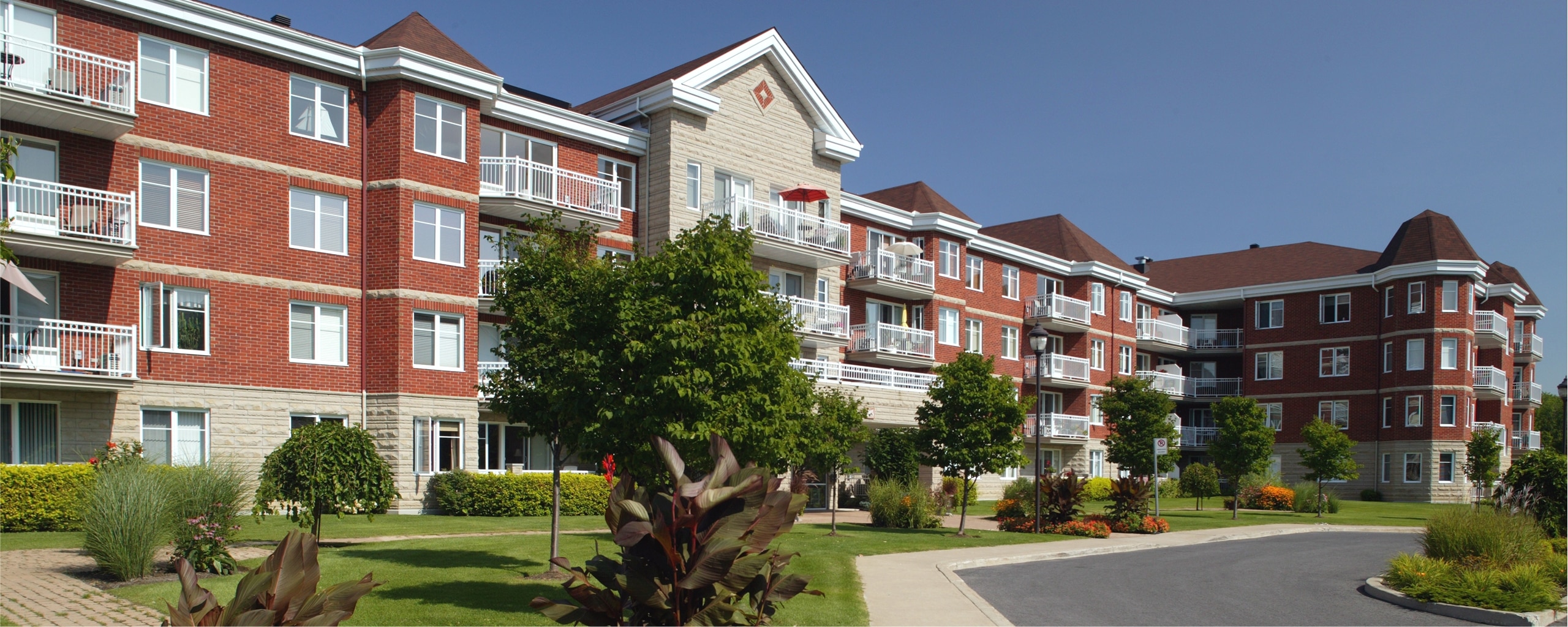
Seniors housing is one of commercial real estate’s most compelling stories. Demographics are pushing demand higher year by year while new construction remains limited and investors are taking notice.
The category, inclusive of independent living, assisted living and memory care facilities, needed time to recover after the Covid-19 pandemic and the inflation that followed. Rising wages pushed up operating costs, and higher construction costs made new facilities more expensive to build.
As the sector moves past the primary challenges of the Covid-19 pandemic and recent inflationary pressures, rising demand and record occupancy rates, among other factors, are lifting valuations.
“Occupancy rates are climbing, which has brought significant investment into the space,” says Dave Harper, a head of Capital One’s healthcare real estate seniors housing team. “Seniors housing is a very high conviction space right now.”
Even when investors hesitated a few years ago, the demographics were moving in the sector’s favor. Baby Boomers, born between 1946 and 1964, are reaching their 80s, the most common age for moving into seniors housing. The number of Americans who are 80 or older is expected to increase by about 4.6% a year through 2030.
Seniors housing properties are filling up
Backed by that demographic trend, occupancy rates in major U.S. markets have climbed steadily for the past five years. They reached 89.5% in the first quarter of 2026, according to NIC MAP. The industry has now shown a reduction in the sharp decline in occupancy that occurred during the Covid-19 pandemic.
Even so, investors have not been ready to build new facilities, and construction remains sluggish. The supply of independent living and assisted living units grew at an annual rate of less than 0.5% in the first quarter of 2026, according to NIC MAP data. At the same time, the annual absorption rate for seniors housing, which is the net increase in occupied units as a percentage of the total inventory, has been running at roughly 3%.
To date, high replacement costs and other factors have kept the economics tilted toward existing properties, and occupancy rates and valuations need to climb more before significant new building may begin. Earlier this year, Harper noted any construction boom was still a few years off. He’s since shifted his outlook. Conversations with lending clients suggest building could potentially accelerate within a year. Even then, however, a project takes about two years to complete, so the momentum in occupancy and valuations likely will persist.
Capital is flowing into seniors housing
Investor interest in existing seniors housing properties remains strong. Private equity firms are buying, as are the largest real estate investment trusts (REITs). The lending market is also very active. Private credit, banks, and agency lending via Fannie Mae and Freddie Mac is flowing into the space, resulting in a favorable environment for investors.
Capital One has been lending and arranging financing in this space for more than 30 years, through the Covid-19 pandemic, recent inflation, the financial crisis a decade earlier and many other challenges.
“The demand has been coming regardless, and now everyone is clearly focused on it,” Harper says. The interest from investors and the capital they bring is important. Harper expects that a “big wave of development” may be coming, and that additional supply is ultimately what is going to keep costs in check for seniors.
Ultimately, rising valuations and investor interest spawned by the stronger returns will help to jumpstart new construction. The demographics are no longer hypothetical. Occupancy rates are rising, and capital has returned. To help meet the needs of an aging population, the key question is now: how soon is a boom in construction coming?
To hear more from Dave Harper on his perspective on seniors housing demand, read his full byline in Seniors Housing Business 2026 August-September edition.
Data Source: All information referenced in this document is sourced from The Baby Boomer Demographic Boom, NIC MAP.
Products and services are offered by Capital One, N.A., Member FDIC, ©2026 Capital One. Individual deal terms and/or outcomes may vary depending on the specific features of each transaction.