US mayors share successful housing affordability strategies
New case studies highlight how four cities are expanding housing supply and lowering costs
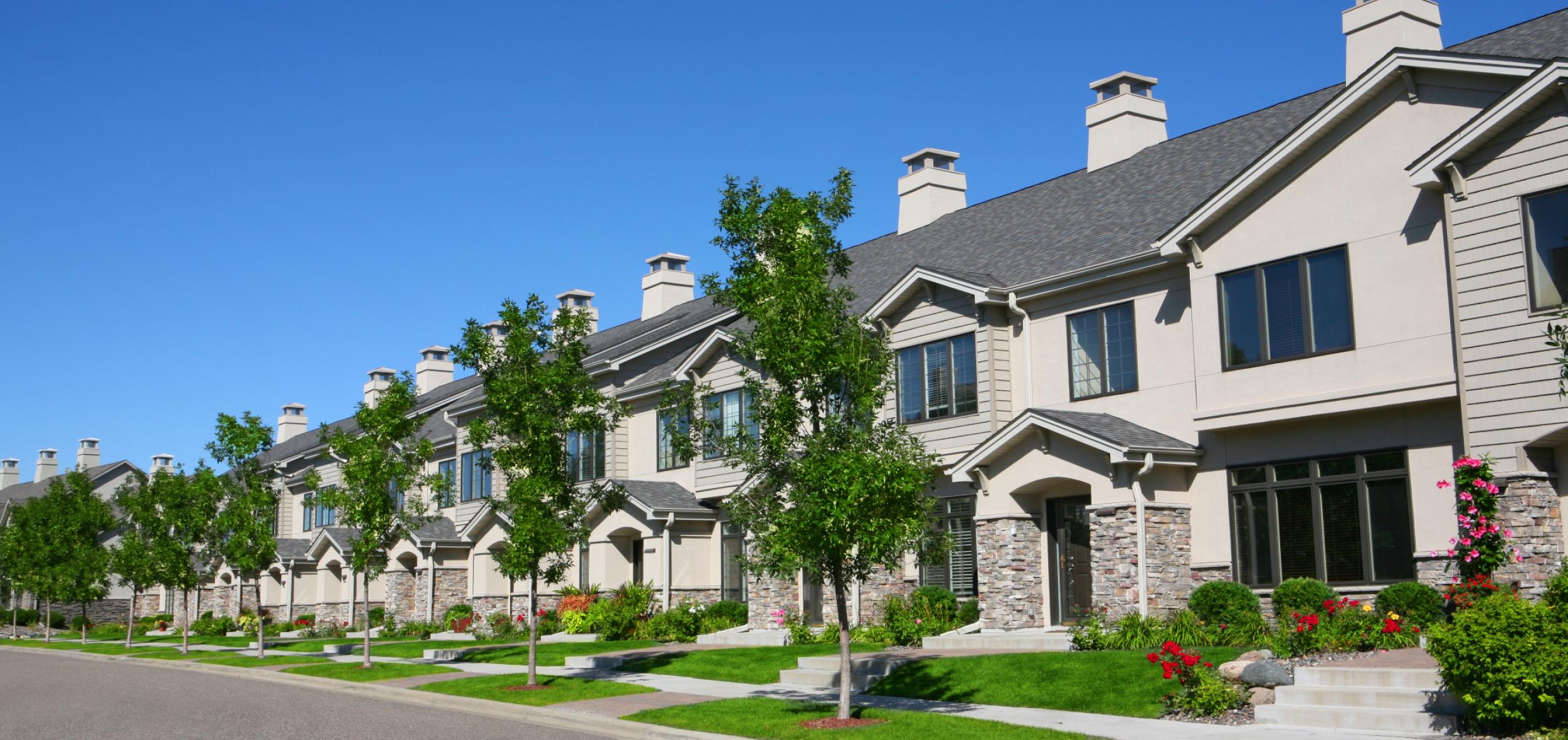
Housing affordability has become a defining challenge for communities nationwide, as rising costs put growing pressure on renters and homeowners alike. To better understand how local leaders are responding, the Capital One Insights Center partnered with the U.S. Conference of Mayors and the Bipartisan Policy Center to examine how cities are expanding housing supply and lowering costs.
The research highlights efforts in four cities — San Diego, CA; Kansas City, MO; Columbia, SC; and Manchester, NH — where mayors from both parties are advancing practical approaches to address housing affordability. These initiatives include identifying underused land, modernizing zoning, improving coordination across services, and streamlining approvals, reflecting a shared focus on removing barriers that limit housing availability and make building more difficult.
These case studies offer a clearer picture of what is working on the ground. While the path forward varies by community, they highlight common strategies that can help unlock supply, reduce costs, and support more stable housing markets over time.
“We know that lasting solutions to the housing crisis are often developed and tested at the local level,” said Shena Ashley, President of the Capital One Insights Center. “Across the country, mayors are advancing innovative approaches that are increasing housing supply and helping more families access affordable housing. Capital One is proud to elevate these success stories and create a platform for sharing proven, replicable strategies that can inform efforts in communities nationwide.”
Through its partnerships with the U.S. Conference of Mayors and the Bipartisan Policy Center, the Capital One Insights Center is highlighting approaches already underway in cities across the country. This work builds on Capital One’s five-year, $265 billion Community Benefits Plan, which includes more than $35 billion to support affordable housing in low- to moderate-income communities. Together, these efforts help policymakers, practitioners, and communities better understand how to address housing affordability challenges in practical, scalable ways.