End the privacy vs. utility trade-off: Tokenized data for AI
In the race to scale AI, data has become a strategy leader’s greatest asset and their biggest liability, leaving many facing a difficult choice: increase data utility for AI and analytics or reduce risk through stringent privacy controls. In the past, increasing one often meant compromising the other.
But with threats escalating and regulatory demands growing more complex—especially within highly-regulated industries—that trade-off is no longer sustainable. A solution that increases utility and decreases the risk of data exposure has become paramount.
Our recent joint webinar with PwC provides insights into a new security paradigm for the AI era that could be the answer: Data tokenization is the foundation for modern, AI-ready data security.
The staggering validation: 2x the AI accuracy
The core finding of our study is essential for every leader involved in data, AI and security to know:
AI/ML models trained on tokenized data were nearly twice as accurate as those using traditional data masking techniques.
This isn't just a marginal improvement; it's a huge step forward.
For data scientists, data analytics managers, information security directors and the like, this is the difference between a high-performing model that can drive tangible business value (like fraud prediction or customer churn prevention) and an ordinary one limited by insufficient input data quality.
As Derek Baldus, Senior Director, Data Privacy and Risk Practice at PwC stated, “Tokenization gives you a way to confidently treat the data to preserve its context, so you are able to get meaningful insights from it quickly and securely. And really at the end of the day for a business, high accuracy is about speed, and time is money.”
Why traditional masking fails data utility
For years, techniques like static or dynamic data masking have been the go-to solution for providing non-production environments with de-sensitized data. Masking techniques hide the original data by using modified content for use in downstream applications.
However, masking typically breaks the crucial element that AI models rely on: referential integrity. For example, if a masked account number is changed randomly across different tables, the underlying relationships between data points are severed. AI models depend on these relationships (e.g., a customer's account number linking to their transaction history, which links to their risk score). When those links break, the model struggles to find patterns, leading directly to the significant drop in accuracy we observed in the study.
Tokenization: the strategic advantage
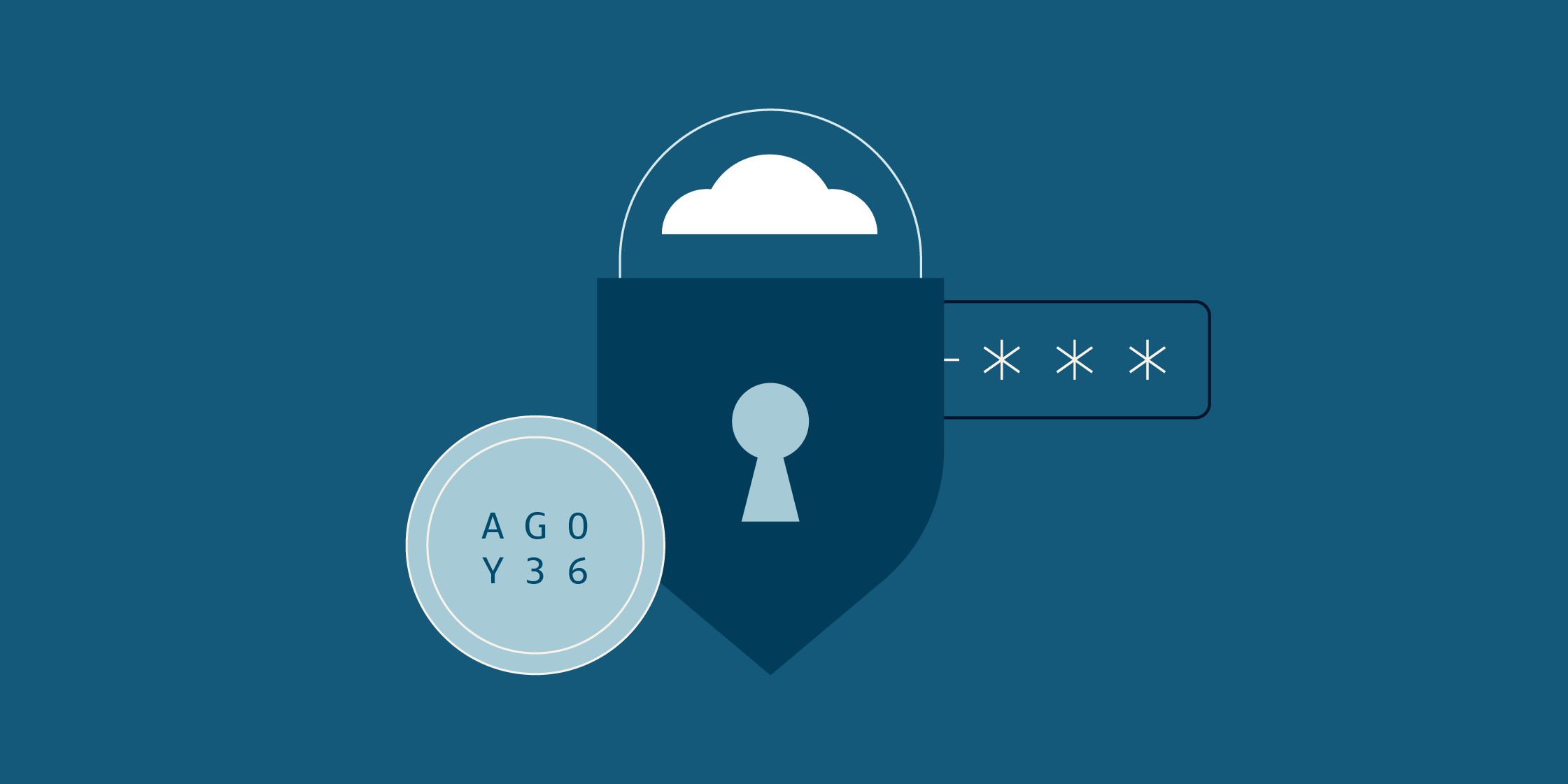
Unlike traditional masking, data tokenization solutions maintain the format and referential integrity required for complex analytics. This is where Databolt, Capital One Software’s enterprise security solution, becomes critical; it provides a vaultless approach to tokenization that scales alongside modern data volumes without the performance trade-offs typical of legacy systems.
By safeguarding data at the source with a patented tokenization engine, Databolt allows AI models and analytics platforms to operate at top speed using tokens. These tokens:
- Are non-sensitive: Tokenization confirms that compromised data holds no intrinsic value to attackers.
- Maintain format: The tokens look, feel and act like the original data (e.g., a 16-digit credit card number token remains 16 characters), preventing application breakage.
- Preserve relationships: The same sensitive value is consistently replaced by the same token. This means a customer's token remains consistent across the data warehouse, transactional logs and cloud environments, allowing AI and analytics engines to see patterns and relationships accurately.
This ability to discern security risk from data utility is why tokenized data yields such dramatically better model performance.
The mandate for data and security leaders
This research offers clear direction for every member of your data leadership team:
- For Data Architecture & Cloud Operations: Data tokenization solutions, like Databolt, can provide immediate relief by helping to reduce your audit scope. Replacing live sensitive data with tokens helps to simplify architecture, lower cost and reduce the risk exposure in your cloud migration projects.
- For Data Privacy & Governance: Tokenization is an unrivaled data minimization technique. It can help confirm the raw data is safeguarded or removed from the highest-risk systems, making it simpler to meet some privacy requirements for regulations like the GDPR, CCPA and HIPAA while also reducing the legal and financial exposure of a potential breach.
- For Data Strategy & Information Security: Enterprise data protection is evolving to move past building higher walls and toward the intelligent de-risking of valuable assets. Tokenization moves the focus of your data security strategy from a defensive cost to a core business enabler that actively drives value through better AI. As Vince Goveas, Director of Product Management at Capital One Software puts it, "Do not let your data strategy be defined by your past when your business strategy is focused on the future."
Ultimately, safeguarding your most sensitive information no longer requires sacrificing its analytical value. Modernizing your privacy strategy establishes that data remains a secure, high-utility asset for your overall enterprise.
Next steps
To dive into the full analysis, methodology and key takeaways from the study, you can access our full webinar recording.