How Storm Damage Can Impact Your Car Insurance
From flooding to hail, storm damage could affect insurance costs.
 Feb 5, 2024 | 3 min read


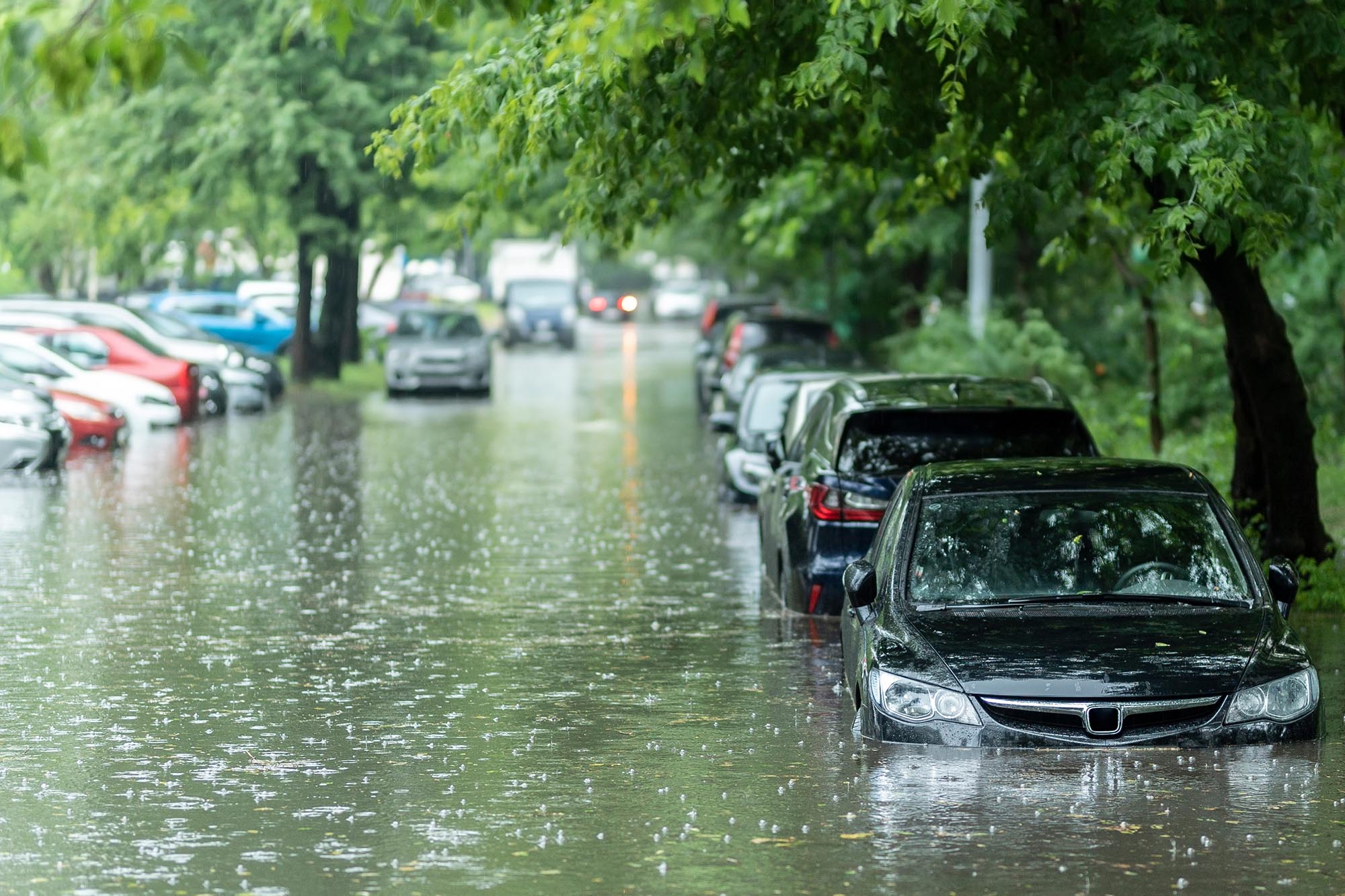 Adobe Stock
After a storm strikes and you've assessed any potential damage to your car, you may wonder if repairs are covered by your insurance — and whether filing a claim could increase your premium.
Comprehensive insurance coverage could cover damage to your vehicle caused by common storm damage, such as hail and flooding. However, filing storm-related damage claims, as well as a national increase in storm frequency, may be the reason why you and others in your area could face higher deductibles.
Why More Storms Could Mean Higher Car Insurance Rates
According to insurance industry experts such as Progressive insurance company, an increase in severe storms could be a leading cause of rising insurance rates. Over the last 40 years, the
As the frequency of these high-cost storms increases, the number and severity of insurance claims over storm damage are likely to increase as well. Higher costs for insurance companies likely mean higher costs for policyholders.
The data from the
Comprehensive Insurance Can Cover Flood Damage
If your vehicle is damaged from flooding, comprehensive car insurance will likely kick in once you've hit your deductible — regardless of whether your vehicle was parked in or driven through floodwater.
If your engine, transmission, or other major components sustain water damage due to flooding, your insurance company might consider your vehicle a total loss. If the cost of these damages equals more than the current value of your car, comprehensive coverage could reimburse you for the vehicle — up to its value at the time of your claim, after subtracting your insurance deductible.
Damage caused by negligence, however, will most likely not be covered. For example, if rain gets into your vehicle during a storm due to a preventable leak or because your windows were down, the damage might not be covered.
Hail Damage Might Be Covered by Your Insurance
Hail is another form of storm damage typically covered by comprehensive insurance. Hail storms can hatter windshields and create dents or even completely destroy the vehicle. Coverage provided by your comprehensive insurance will vary depending on your exact claim.
Much like with flood damage, if your vehicle's repairs are deemed severe enough, your car could be considered a total loss. In this case, your comprehensive insurance may reimburse you with the actual cash value of your car at the time of your claim, minus your deductible.
How Filing a Storm Damage Claim Could Impact Your Rate
Comprehensive coverage can help you recover from severe storm damages, but there are possible penalties you should understand before filing a claim. Depending on your insurance company, even one claim from storm damage could lead to a higher insurance rate in the future.
Some insurance companies, however, won't raise your rate on your first claim. Instead, they'll keep track of your claims history and increase your rate if they see a pattern of storm-related damage over time.
To reduce their financial risk, insurance companies can raise your rate even if you don't file a claim yourself. If storm damage strikes your area, others filing claims could lead your insurance company to adjust the area's rates to compensate for future storm-related claims.
Written by humans.
Edited by humans.
Elliot RiethElliot Rieth is a writer who was born and raised in Michigan, the center of the American automotive industry. With a background in the industry that spans from sales to digital marketing, Elliot has years of experience working directly with dealers and OEMs to create digital content and educate potential customers. When Elliot isn’t writing about horsepower or EVs, he can be found with his two greyhounds enjoying a new book or record.
Related articles
View more related articles