Buying a Used Car: The Essential Guide
Here's a step-by-step guide to help you make a smart, confident investment in a used vehicle.

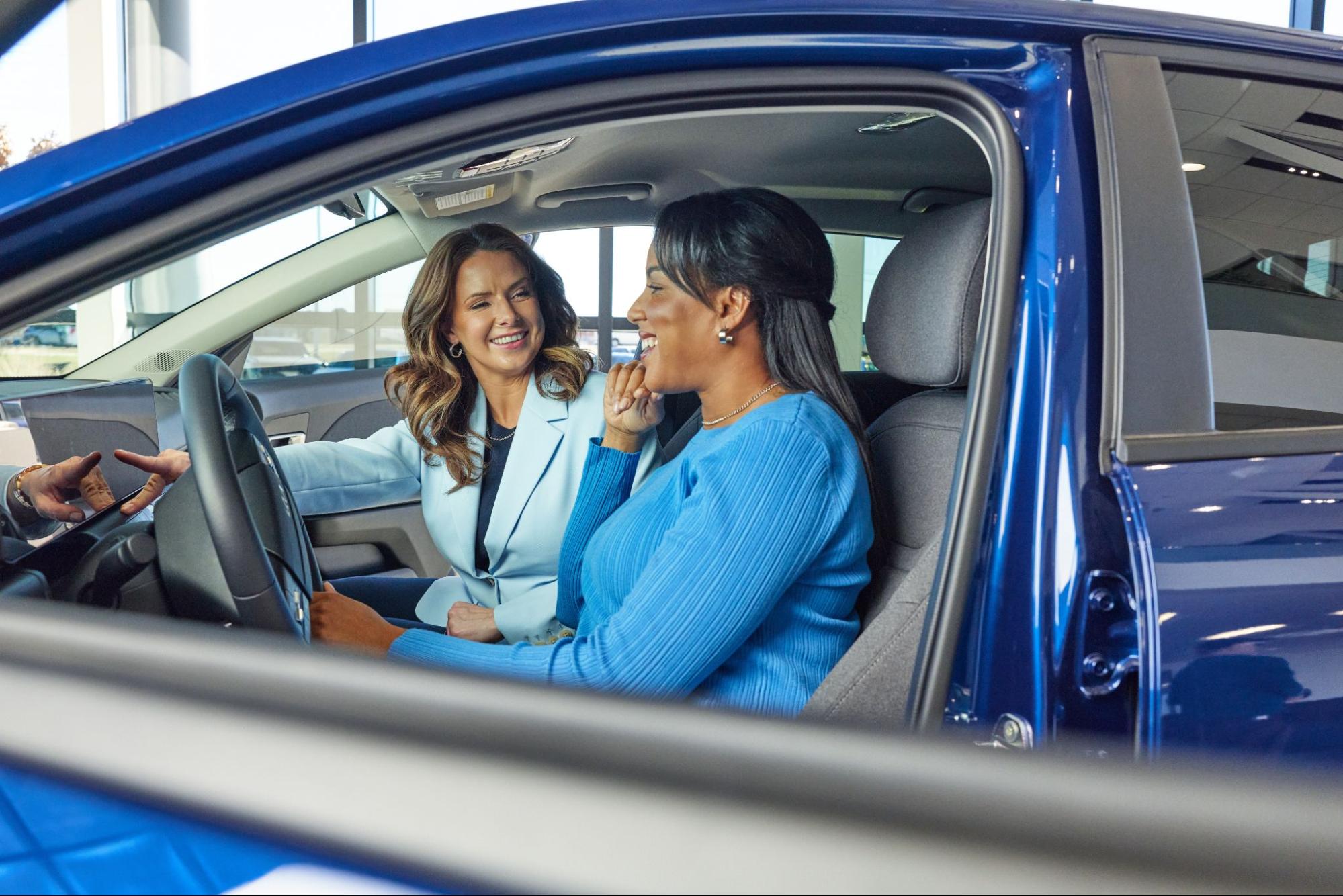
Used cars can offer some strong financial advantages. Beyond a lower purchase price, used vehicles can help owners offset the depreciation and higher insurance rates and registration fees that typically come with new-vehicle purchases. If you've already weighed the pros and cons and now are ready to shop, here's a step-by-step guide for how to buy a used car.
Set Your Budget and Ownership Cost Expectations
Before setting your budget, consider all the related costs of owning a car. Besides the monthly loan payment, you should plan for these additional expenses:
- Insurance: While insurance for used cars is typically less expensive than for new cars, it’s still a significant additional cost that you should prepare to pay.
- Registration, taxes, and licensing: These fees are usually based on the age of the vehicle, so the longer you keep a car, the less you will pay.
- Fuel costs: Depending on your average daily miles, gas prices can add a lot to your monthly expenses. Also, gas prices are volatile and could suddenly increase, which can affect your budget.
- Scheduled maintenance: Oil changes and tire rotations will be needed every 5,000 to 10,000 miles. Other "wear items," such as a new set of tires and brake pads, can be more expensive.
- Repairs: Unexpected repairs can be costly, particularly if the car does not come with a warranty. It’s smart to set aside an emergency fund for repairs.
A monthly loan payment is not your only automotive expense, so it's wise to estimate all of these costs before deciding how much car you can afford.
Decide Where to Buy
There are a number of places selling used cars, and each one will provide a different shopping experience.
- Franchised car dealership: Franchised car lots generally sell both new and used cars, which are typically acquired as lease returns, trade-ins, or at auctions. These used vehicles often have an advertised sticker price, but there is usually room for negotiation. When you buy through a dealership, the dealership can accept your trade-in and perform all the necessary registration paperwork.
- Certified pre-owned (CPO) vehicles: Major automakers may run CPO programs for newer used cars of their own make. Although they cost extra, CPO cars can give you peace of mind because each vehicle has been inspected and comes with a factory-backed warranty.
- Independent used-car lots: These lots carry a variety of makes and models. Be sure to inspect these cars closely and review their protection plans.
- Used-car superstores: On these lots, a wide variety of makes and models are available in one place and, in some cases, offered at no-haggle prices with a limited warranty and a return policy.
- Online retailers: Digital car-buying platforms allow you to browse inventory, arrange financing, complete paperwork, and have the car delivered directly to your driveway.
- Private parties: Finally, there are cars being sold by individuals. You can see listings for these vehicles in classifieds and online ads — you might even find a vehicle by noticing a "for sale" sign in the windows of a parked car.
Research and Short-List the Best Used Cars for Your Needs
When you're shopping for a used car, you should consider your wants versus your needs. While you may want leather seating and a sunroof, if you have a larger family, you might actually need third-row seating.
Once you've defined your needs, you can use car-shopping websites to show relevant options available in your area. Online car-shopping marketplaces, such as Auto Navigator, typically have filters for make, model, drivetrain, trim, condition, engine, mileage, monthly payment, and much more.
Here's a way you can use filters to find your next used car:
- Set your budget and allow extra for registration and taxes.
- Filter by price, maximum mileage, and body style (sedan, SUV, truck, etc.).
- Narrow your selection to two or three top candidates.
- Read expert and consumer vehicle reviews to check for long-term reliability and common owner complaints.
Inspect the Vehicle and Review Its History
Before driving across town to inspect a specific used car, obtain its vehicle-history report. It can quickly reveal whether the car is a solid choice or has issues that should eliminate it from consideration. The vehicle-history report will show how many owners the car has had, the current mileage, whether it has a salvage title, and if it's ever been in an accident.
Some dealerships will provide this report for free. You can also purchase either an individual report or a subscription to a service.
Here are two other valuable resources:
- Free vehicle identification number (VIN) lookup. Car shoppers can check the National Highway Traffic Safety Administration (NHTSA) database for a specific used vehicle for
open safety recalls before completing a purchase. - The Used Car Rule. Look for a buyer's guide, which dealers typically post on used cars for sale. It tells buyers if the vehicle is being sold with a warranty and what is covered.
If you are satisfied with the vehicle-history report and there are no outstanding recalls on the model, inspect the car carefully. You can give the car a visual inspection yourself, noting the condition of the body, the interior, tire tread depth, and how it drives. But having a trusted mechanic inspect the car may help you feel more confident about the purchase.
The Test Drive: Tips on What to Do
If the vehicle checks out, make the time to get behind the wheel. When you test-drive a car, it may help to have a checklist of key items to evaluate. Don't be shy, and don't let the seller hurry you. Also, bring your driver's license and a copy of your auto insurance with you.
Here are a few additional tips to keep in mind:
- Drive the car for at least 20 minutes. Begin the test drive when the engine is cold to make sure it starts easily and doesn't blow blue smoke that indicates engine wear. Bring the engine up to operating temperature and make sure it doesn't overheat.
- Drive on a varied route. See how the car accelerates, corners, brakes, and handles bumps.
- Listen for odd noises and smells. The engine should be quiet at idle and accelerate without grinding or bumping. Make sure the transmission shifts and downshifts smoothly.
- Check for blind spots. See if the mirrors provide a good view of the traffic around you.
- Test lights, gauges, climate controls, and radio. Turn on the air conditioner with the motor running to see if it cools the interior. Make sure there isn't a check-engine light on.
- Will it fit in your garage? Ask the seller if you can drive the car home to make sure it fits in your garage. This is particularly important with high-clearance trucks and SUVs.
If you decide to buy the car, then it's time to settle on the price.
Negotiate and Finalize the Paperwork
Here's the part that everyone dreads: negotiating. But if you prepare properly and follow these steps, the negotiation may be a smoother process.
Preparation:
- Arrange financing for a loan from your bank or credit union.
- Check pricing guides to find what the average price is for the car you want to buy (and your trade-in's value if you go that route).
- Decide in advance whether you need an extended warranty, GAP insurance, paint protection, anti-theft equipment, or other add-ons that will be offered when you sign the contract.
At the dealership:
Now, you're ready to make a smart purchase. Here are the steps to follow:
- Negotiate the vehicle's purchase price and be prepared to leave if the price is too high, the dealer is unwilling to bargain, or you feel pressured.
- Use pricing-guide information and written appraisals from other sources to support your offer.
- Gradually increase your offer, but don't exceed the market value listed in pricing guides.
- Negotiate the trade-in value only after agreeing on the vehicle's price.
- If you have loan pre-approval from a bank or credit union, ask the dealer to determine if they can match or beat that interest rate.
- Before signing, verify the vehicle price, interest rate, trade-in amount, taxes, fees, and all optional products.
When Is the Best Time of Year to Buy a Used Car?
The best time to buy a used car is when you need a new-to-you car. Beyond that, there are times when prices are typically lower. This doesn't mean the selection is better, or that test-driving or inspecting will be easier. It's just a better time for bargain hunters.
Generally, the end of the month, and further the end of the year, is the best time to find a good deal on a used car. The strongest opportunities tend to occur around New Year's Eve and New Year's Day. Other holidays that historically have been good for budget-minded shoppers include Martin Luther King Jr. Day and Presidents Day. Buyers shopping in spring and summer typically find fewer bargains, although good deals are still possible for resourceful shoppers.
Common Mistakes to Avoid When Buying a Used Car
Avoid the following when you are shopping for a good used car:
- Not checking pricing guides to find the vehicle's market value.
- Taking a quick test drive that doesn't include a mix of driving conditions.
- Failing to have a trusted mechanic inspect the vehicle.
- Not reviewing a vehicle-history report that would show accidents, flood damage, or title problems.
- Not researching financing terms before going to the dealership.
- Buying unnecessary warranties and overpriced add-ons.
- Not comparing competing vehicles to find a potentially better choice.
Having all the relevant information in front of you can help you make an informed financial investment. There are also a lot of tools out there that can improve the car-shopping journey.
Frequently Asked Questions
What are the basic steps to buying a used car?
Start by setting a budget that includes the purchase price, insurance, registration, taxes, fuel, maintenance, and potential repairs. Next, decide where to shop, research vehicles that meet your needs, and compare several makes and models. Review vehicle-history reports, check for open recalls, inspect and test-drive the car, and have it examined by a trusted mechanic. Once you choose a vehicle, negotiate the price, arrange financing, review optional products and fees, and carefully verify all paperwork before signing.
How do I inspect a used car before buying it?
Begin by reviewing the vehicle-history report for previous owners, mileage, accidents, salvage titles, and other problems. Check for open recalls using the vehicle identification number (VIN), then inspect the body, interior, tires, warning lights, and overall condition. During the test drive, drive for at least 20 minutes on different types of roads. Test the acceleration, brakes, steering, transmission, climate controls, lights, gauges, and radio, and listen for unusual noises or smells. Finally, ask if you can have an independent mechanic conduct a professional inspection.
What paperwork do I need when buying a used car from a dealership?
Bring your driver’s license, a copy of your insurance policy, proof of income such as recent pay stubs if you are applying for financing, and a checkbook for a down payment. Before signing, carefully review the purchase contract, including the vehicle price, interest rate, trade-in value, taxes, registration costs, fees, warranties, and other optional products. Make sure the dealer provides a buyer's guide and explains what warranty coverage is included.
What's the best time of year to buy a used car?
Used-car prices are generally lower during the colder months, especially from late December through February. New Year's Eve and New Year's Day can offer strong opportunities. Martin Luther King Jr. Day and Presidents Day may also be good times to look for discounts, with January often offering the best chances for bargains.
Where should I search for used cars?
You can search at franchised dealerships, independent used-car lots, used-car superstores, online retailers, and through private-party listings.
This site is for educational purposes only. The third parties listed are not affiliated with Capital One and are solely responsible for their opinions, products and services, and all trademarks listed are the property of their respective owners. Capital One does not provide, endorse or guarantee any third-party product, service, information or recommendation listed above. The information presented in this article is believed to be accurate at the time of publication, but is subject to change. The images shown are for illustration purposes only and may not be an exact representation of the product. The material provided on this site is not intended to provide legal, investment, or financial advice or to indicate the availability or suitability of any Capital One product or service to your unique circumstances. For specific advice about your unique circumstances, you may wish to consult a qualified professional.
Related articles
View more related articles