Best Commuter Cars and SUVs for 2026 and 2027
A dependable, affordable, gas-sipping commuter vehicle can be a smart move these days.

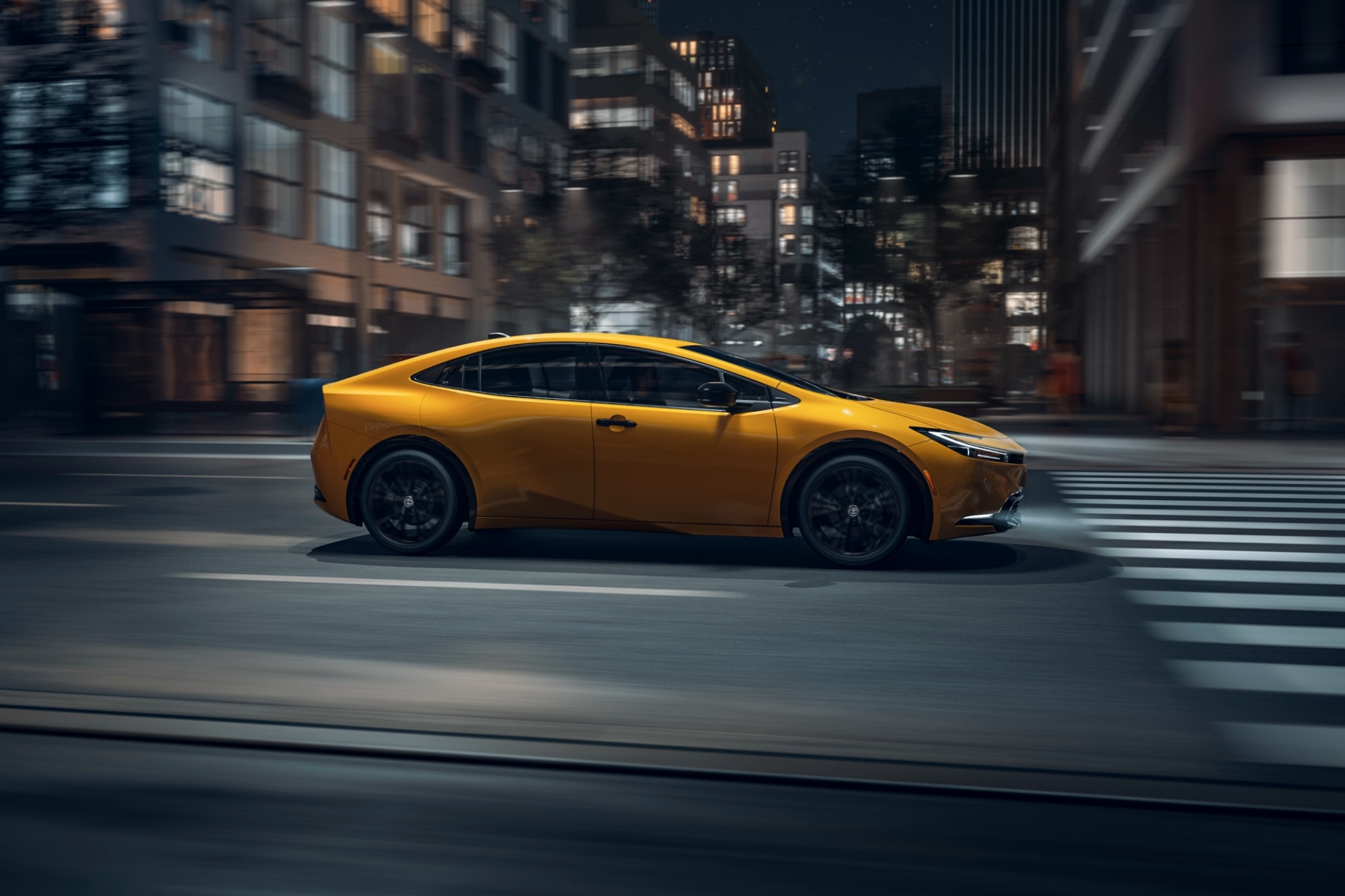 Toyota
Your weekday commute can be pleasant and smooth or a source of irritation and anxiety — the vehicle you choose often plays a big role. It's important to understand which commuter-car features are most important to you, from fuel efficiency to reliability to enough passenger and cargo space. Here's a look at how to choose a commuter-friendly car or SUV that suits your budget and fits your lifestyle.
What Makes a Car a Good Commuter Vehicle?
When deciding if a car is a good commuter vehicle, identify the features that matter most for your daily drive, such as fuel efficiency, reliability, and low operating costs. You'll also need a vehicle with passenger space and cargo capacity that fits your situation.
Comfort is a key part of your commute, so test-drive the vehicle to evaluate seat comfort and ride quality. Ideally, rent a version of it before buying one, as dealership test drives tend to be short. Safety is another key consideration — look for vehicles with driver-assistance features that can help prevent accidents. You'll also want to stay entertained and informed on the road, so consider models with infotainment options that fit your needs.
If you have a long commute, you may want to prioritize fuel efficiency to save money on gas. Gas mileage differs between city and highway driving, so if most of your commute is on the highway and mileage is key, seek out models with excellent highway fuel efficiency.
 Toyota
Some of the Best Hybrid Cars for Commuting in 2026 and 2027
Hybrids like the Toyota Prius and Honda Accord Hybrid get great mileage overall, but they're especially frugal in stop-and-go city driving. If your commute largely takes you through city traffic and you want to save money on gas, a hybrid may be your best bet.
In past years, hybrids carried steep premiums over their gas-only counterparts, but those days are behind us. Today, the price difference is often negligible. Some models, like the Toyota Camry and Toyota RAV4, have dropped gas-only powertrains entirely, making hybrids their sole offering.
Here is a variety of hybrids to suit a variety of drivers that can help cut down on fuel costs during your commute:
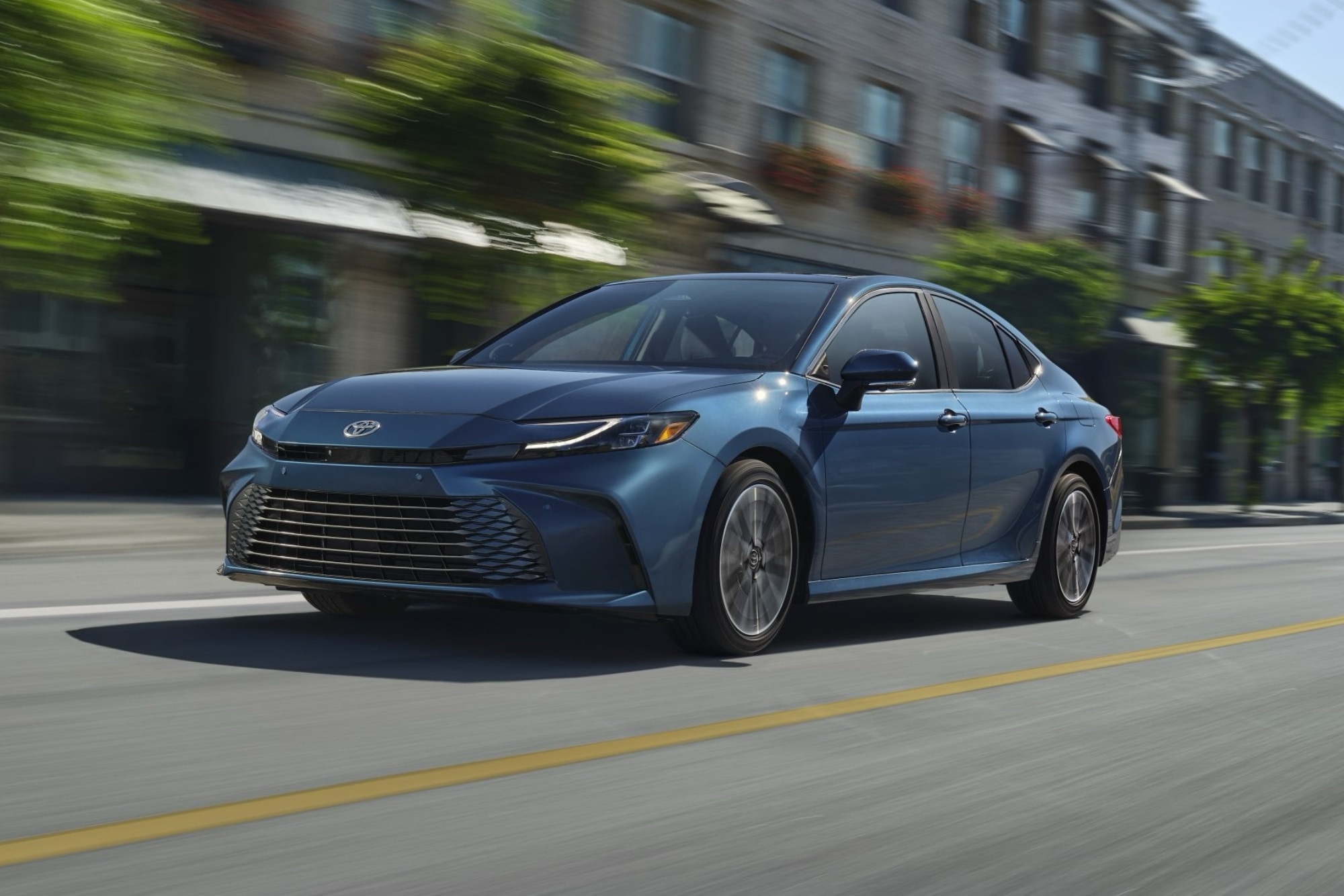
- 2026 Toyota Camry: The Camry midsize sedan is sold solely as a hybrid and returns up to 52 mpg in the city and 49 mpg on the highway. Additionally, the Camry earned the Top Safety Pick+ designation from the Insurance Institute for Highway Safety (IIHS).
- 2026 Hyundai Tucson Hybrid: The Tucson Hybrid compact SUV returns up to 38 mpg in city and highway driving. This SUV also earned a perfect five stars for overall safety from the National Highway Traffic Safety Administration (NHTSA).
- 2026 Jeep Cherokee: After being dropped from the Jeep lineup after the 2023 model, the Cherokee returned for 2026 with a standard hybrid powertrain. It achieves 39 mpg in the city and 35 mpg on the highway.
- 2027 Hyundai Palisade Hybrid: The midsize Palisade Hybrid has you covered if you need a three-row SUV that seats up to eight people. It returns up to 33 mpg in the city and 35 mpg on the highway.
 Honda
Some of the Most Reliable Cars for Daily Driving
The most reliable cars for commuting are likely to come from brands with a proven history of dependable transportation. With proper care and diligent maintenance, a modern car from a reliable brand could last 200,000 miles or more.
There are solid reasons for caring about dependability: A reliable car is less likely to leave you stranded due to a breakdown, for instance. And it's also less likely to leave you stuck with expensive repair bills throughout its lifetime.
These commuter-friendly cars and SUVs come from brands that lead the pack in dependability:
- 2026 Toyota Corolla: Toyota ranks highest for predicted reliability in Consumer Reports studies. The compact Corolla offers gas-only and hybrid versions; gas-only models return up to 32 mpg in the city and 41 mpg on the highway, and the hybrid returns up to 53 mpg in the city and 46 mpg on the highway. The 2026 Corolla comes in hatchback and sedan body styles and has a five-star NHTSA overall safety rating.
- 2026 Subaru Outback: Subaru holds the second-highest spot in Consumer Reports predicted reliability rankings. The Outback is the brand's midsize two-row SUV; it comes standard with all-wheel drive and returns up to 25 mpg in the city and 31 mpg on the highway. The 2026 Outback is an IIHS Top Safety Pick+.
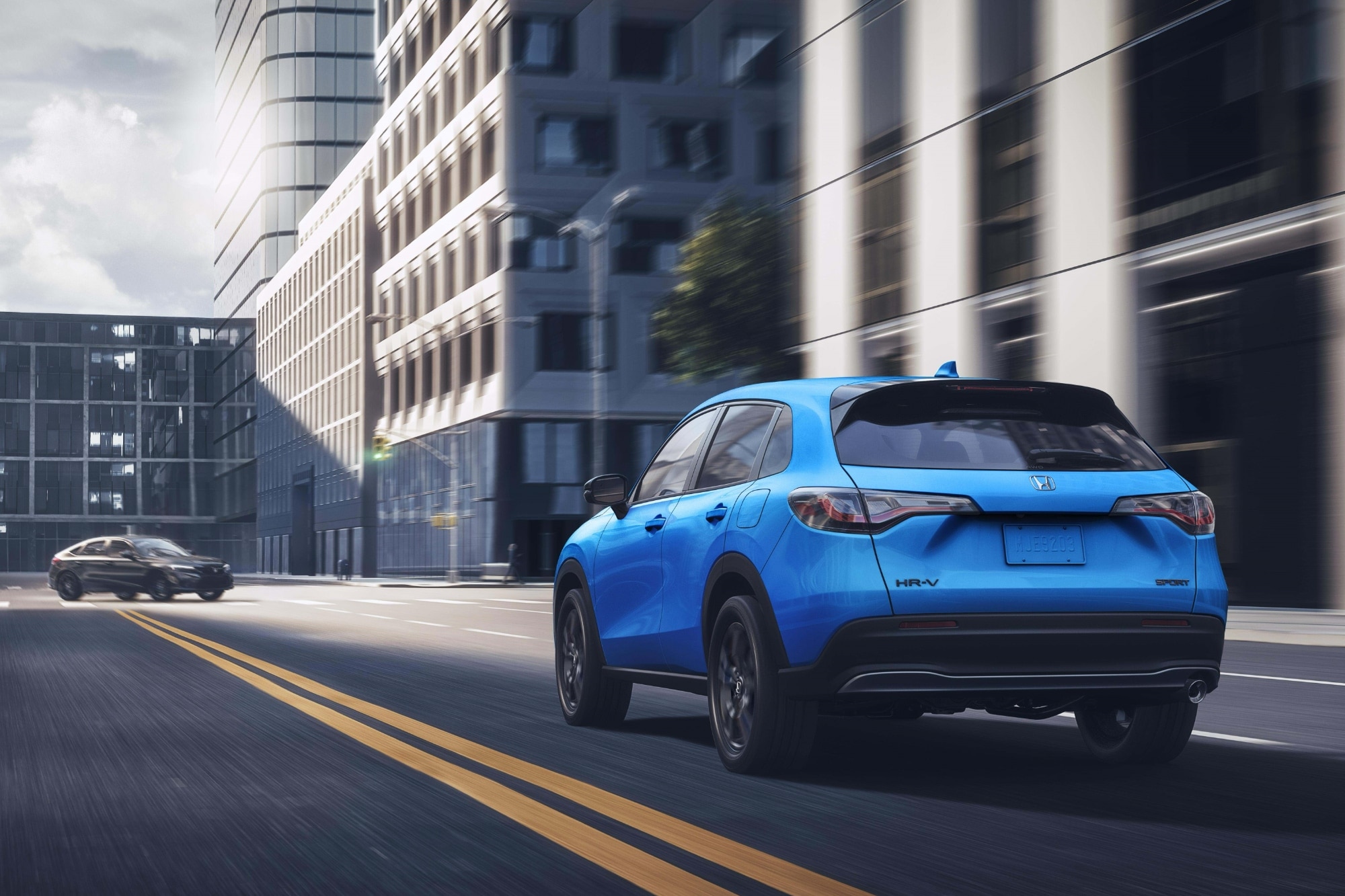
- 2026 Honda HR-V: Honda ranks fourth for predicted reliability in Consumer Reports studies. The HR-V is the brand's subcompact SUV. It returns up to 26 mpg in the city and 32 mpg on the highway and is an IIHS Top Safety Pick+.
 Chevrolet
Some of the Best Commuter Cars Under $20,000
You don't have to sacrifice dependability when buying a car on a tight budget — reliable, fuel-efficient commuter cars are available for less than $20,000. While there are no new models available at that price point, the used market has several appealing options.
That said, most models that deliver maximum value in the sub-$20,000 range are compact and subcompact, which means you'll get less passenger and cargo room than if you'd chosen a larger, more expensive model.
Here are some options for used commuter cars that can not only be had for less than $20,000, but also have strong reliability rankings and safety scores:
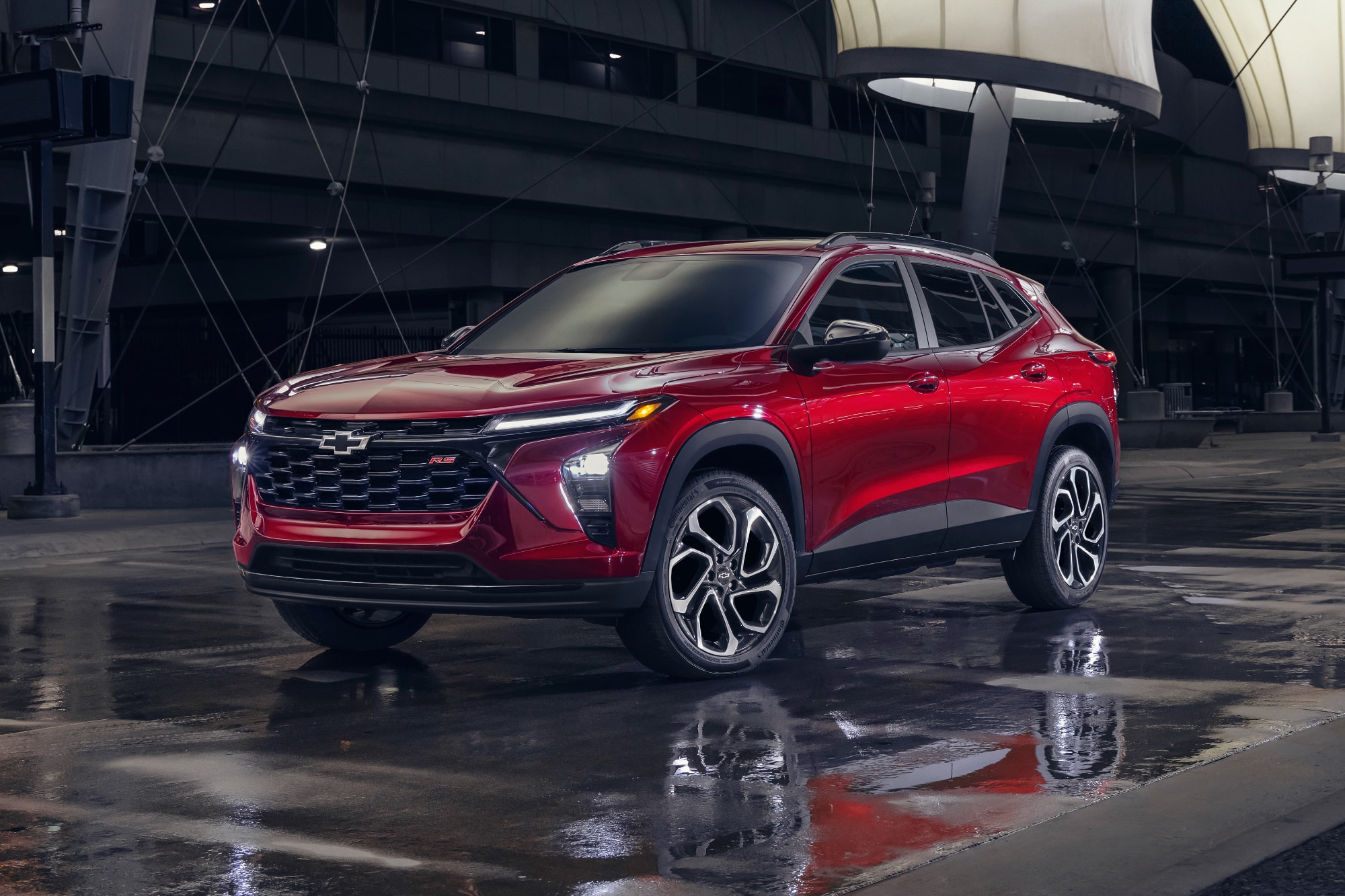
- 2024-2025 Chevrolet Trax: A new Trax subcompact SUV is about $24,000, and you may be able to find used models from the current generation (2024-2025) for under $20,000. The 2024 and 2025 Trax received four out of five stars for overall safety from NHTSA and return up to 28/32 mpg city/highway.
- 2020-2025 Nissan Sentra: The Sentra compact sedan was redesigned in 2026, entering its ninth generation, and a new model starts at around $24,000. The eighth generation ran from the 2020 model year to 2025 and offers used options for under $20,000. Nissan is ranked sixth out of 26 brands in Consumer Reports' reliability studies. The Sentra returns up to 30/40 mpg in city/highway driving, and all eighth-generation models have a five-star NHTSA safety rating.
- 2025 Kia K4: A new K4 starts at about $23,000. This compact car comes in sedan and hatchback body styles and debuted in 2025, and you can find used 2025 models for under $20,000. Kia placed 10th out of 26 brands in Consumer Reports' reliability ranking. The 2025 K4 sedan variant is an IIHS Top Safety Pick+. Kia's petite hauler returns up to 30/40 mpg city/highway.
 Honda
Sedan vs. SUV: Which Is Better for Your Commute?
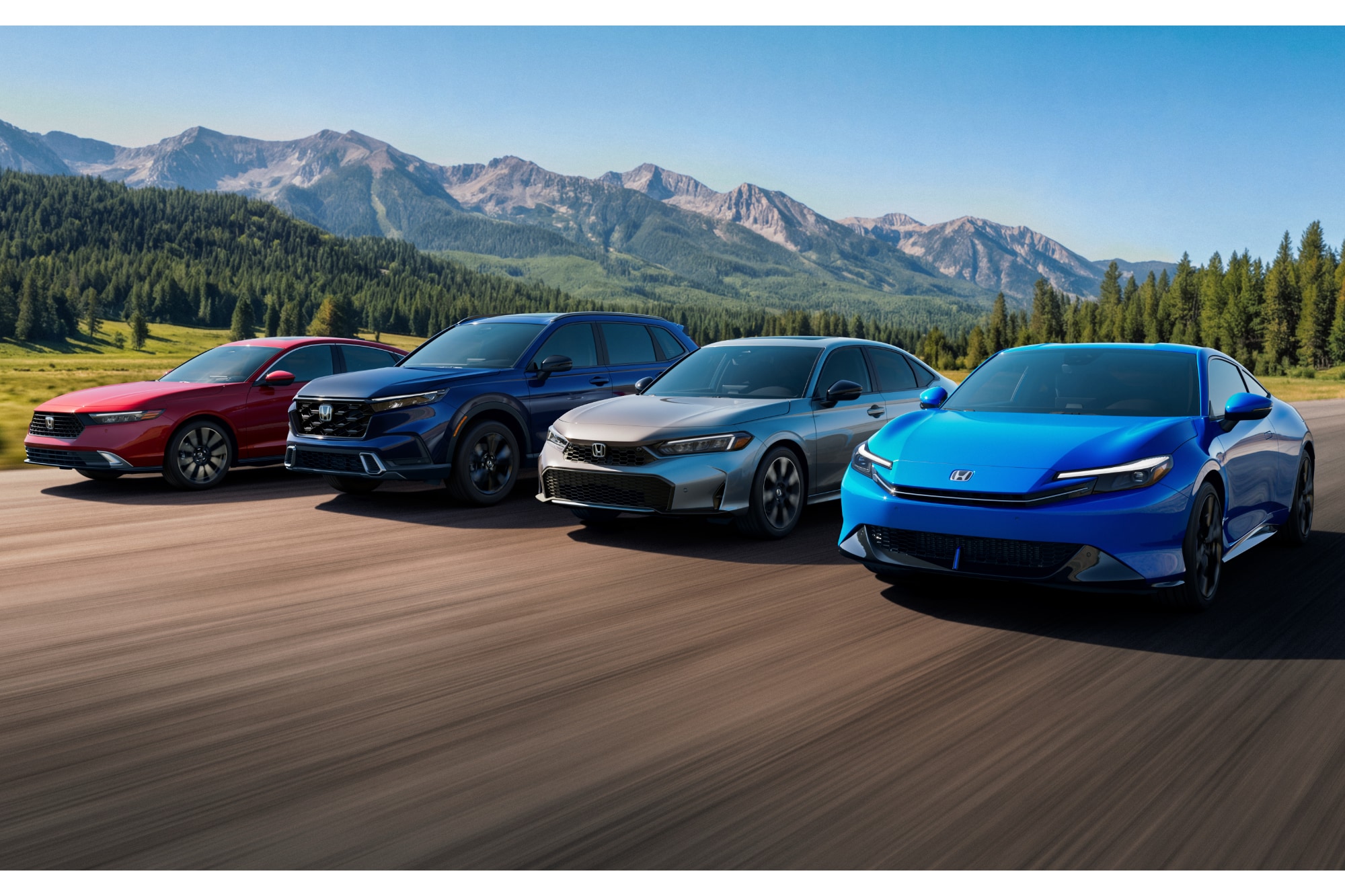
Whether an SUV like the Kia Sportage or a sedan like the Honda Accord is better for your commute depends on your personal preferences and requirements. Each body style has its pros and cons:
Sedans
Pros
- Superior fuel efficiency: Sedans typically have better fuel efficiency than SUVs. Still, some subcompact SUVs get great gas mileage, as do those with hybrid powertrains.
- Easier to drive in crowded urban areas: Compared with SUVs, sedans are smaller, with a lower ride height and a lower center of gravity. That can make them easier to manage on crowded streets and in tight parking spaces.
Cons
- Less cargo room: Some sedans have tight cargo room. This body style typically has less cargo space than an SUV.
- Five-person capacity: Sedans seat just five people. If you want a vehicle that can seat more passengers, you'll need to look elsewhere.
SUVs
Pros
- Superior passenger capacity: Three-row SUVs can seat six, seven, eight, or even nine people. They're ideal for drivers who need that flexibility.
- Outstanding cargo room: SUVs typically have more cargo room than sedans. Some large SUVs have more than 100 cu-ft of maximum cargo room.
- High seating position: SUVs give drivers a high seating position for a clearer view of the road.
- Superior frontal-crash protection: Frontal crashes tend to be the most common deadly car crashes. According to IIHS studies, SUVs provide more frontal-crash protection than sedans because their longer front end absorbs more energy.
- Numerous all-wheel-drive options: All-wheel drive is widely available in SUVs and improves traction in rain and snow. Some cars offer this feature, but it's less common in that segment.
Cons
- Costlier than comparable sedans: SUVs typically cost more than comparable sedans. However, keep this caveat in mind: The subcompact class has long been among the most affordable in the automotive world. Many automakers have stopped making subcompact cars but continue to produce subcompact SUVs, some of which rank among the least expensive new vehicles on the market.
- Less city-friendly than a sedan: Because they're larger than cars, SUVs are typically not as easy to drive in crowded urban environments.
- More susceptible to rollover accidents: While SUVs fare better than cars in front crashes, their taller build makes them more prone to rollovers.
What It Really Costs to Own and Run a Commuter Car
Overall, sedans may be somewhat cheaper to own and operate than comparable SUVs, as they typically use less fuel and are usually less expensive to insure. Additionally, because SUVs are larger and heavier, certain parts may cost more to replace, such as tires.
That said, whether you choose a sedan or an SUV, a hybrid vehicle can save you money in fuel costs over the life of the car.
 Subaru
How to Choose the Right Commuter Car for Your Situation
To pick the best commuter car for your lifestyle, consider factors such as commute length, parking availability, climate, and household needs.
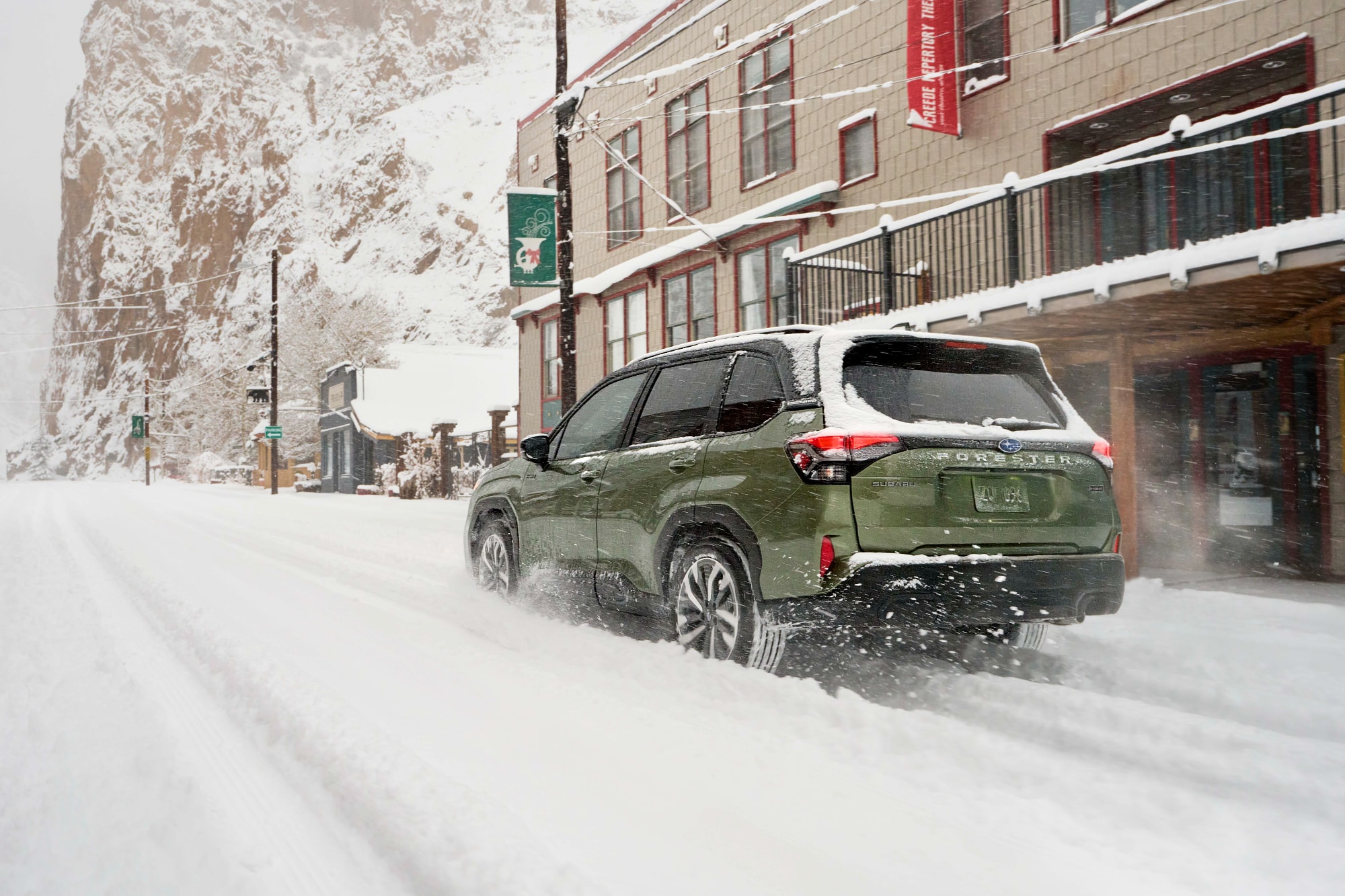
If you have a long commute, a fuel-efficient sedan or hybrid may be ideal. Drivers in congested urban environments with tight parking may do best with a small sedan. On the other hand, if you face harsh winters and want a vehicle with all-wheel drive, you'll find more options in the SUV segment. And if you need lots of cargo space and room for more than five people, an SUV is the ideal choice.
Frequently Asked Questions:
What are the best commuter cars for 2026 and 2027?
The best commuter cars have the features that suit your commute and lifestyle. Consider fuel efficiency, cargo room, passenger capacity, and comfort.
Are hybrid cars worth it for daily commuting?
Hybrid cars are almost certainly worth it for daily commuting, especially if you have a long commute or a traffic-heavy one. They typically offer much better fuel efficiency than gas-only models.
What is the most reliable car for a daily commute?
The most reliable cars typically come from brands with a track record of building dependable vehicles. For example, Toyota ranks highest in that area per Consumer Reports studies, followed by brands such as Subaru and Honda.
Can I get a good commuter car for under $20,000?
Yes, but it will have to be used. No new models are offered at that price.
Is a sedan or SUV better for commuting?
It depends on what you're looking for. Sedans typically offer better fuel efficiency and are easier to maneuver. SUVs have more room for passengers and cargo.
This site is for educational purposes only. The third parties listed are not affiliated with Capital One and are solely responsible for their opinions, products and services, and all trademarks listed are the property of their respective owners. Capital One does not provide, endorse or guarantee any third-party product, service, information or recommendation listed above. The information presented in this article is believed to be accurate at the time of publication, but is subject to change. The images shown are for illustration purposes only and may not be an exact representation of the product. The material provided on this site is not intended to provide legal, investment, or financial advice or to indicate the availability or suitability of any Capital One product or service to your unique circumstances. For specific advice about your unique circumstances, you may wish to consult a qualified professional.
Related articles
View more related articles