Best Cars for College Students for 2026
Find the best new and used cars for college students with the most important features: safety, reliability, and efficiency.

 Benjamin Hunting
For students, having a reliable car on campus can make grocery runs and weekend trips home more convenient, while for parents, a vehicle with reasonable insurance premiums and high safety scores can provide peace of mind. The best cars for college students tend to combine an affordable purchase price, excellent fuel economy, a compact footprint that's easy to park, and manageable maintenance costs. And, perhaps most importantly, contemporary safety tech.
Features such as electronic stability control, continuously variable transmissions (CVTs), hatchback utility, smartphone integration, and advanced driver-assistance systems can further improve safety and convenience.
Buying a new vehicle offers the reassurance of a factory warranty, but a well-maintained used vehicle that's three to six years old can deliver strong value. Additionally, a newer used vehicle can offer many of today's important safety technologies while avoiding the steepest depreciation of a brand-new car, allowing buyers to stretch their transportation budget further. Use the jump links to skip ahead.
The Core Checklist: What Makes a Great College Car?
As any parent knows, safety should be the most important consideration for a college student. Electronic stability control and a backup camera are must-have equipment, while smartphone integration through Apple CarPlay or Android Auto lets students use navigation and communication features while keeping their hands on the wheel and their attention on the road. Federal regulations have required backup cameras on all new passenger vehicles since the 2018 model year and stability control since the 2012 model year, making newer used vehicles particularly attractive for college drivers.
Fuel economy should rank near the top of the list, as well. College budgets often leave little room for fluctuating gasoline prices, making vehicles that regularly achieve more than an EPA 30 mpg in combined city and highway driving especially attractive.
Vehicle size also matters. Campus parking lots and garages can be crowded, with narrow parking spaces and little room to maneuver. Compact cars and small crossovers are easier to park, making them less likely to suffer parking lot damage.
Also, car insurance and maintenance costs deserve attention. Car insurance for drivers under age 25 is high as less experienced drivers pose great risks.
Resisting the temptation of a used luxury vehicle that has significantly depreciated can be a wise move. That’s because repair bills for these vehicles can be higher, given the higher price of many parts. Mainstream brands typically offer less expensive replacement parts and lower routine maintenance costs.
Hatchbacks deserve special consideration. Folding rear seats create surprisingly large cargo areas capable of hauling mini refrigerators, bicycles, dorm furniture, storage totes, and laundry.
At a Glance: Ideal Vehicle Categories for College Students Compared
| Vehicle Category | Best Suited For | Key Campus Benefit | Budget Consideration |
| Compact Hatchbacks | Dorm move-in and urban campuses | Great cargo flexibility with a smaller footprint | Often more affordable on both new and used markets |
| Fuel-Efficient Sedans | Daily commuters and long road trips | Good baseline fuel economy and highway range | Small sedans tend to have some of the lowest ownership costs |
| Subcompact and Compact Crossovers | Cold-weather regions and outdoor gear | Elevated ride height and available all-wheel drive (AWD) | May have higher fuel consumption than other options |
Safety Ratings Methodology: Best New and Used Vehicles for College Students
Every vehicle recommended here earned a Top Safety Pick or Top Safety Pick+ designation from the Insurance Institute for Highway Safety (IIHS) during the model year listed, and received a four- or five-star National Highway Traffic Safety Administration (NHTSA) rollover-resistance rating.
The vehicles on this list also offer strong fuel economy, established reliability, and reasonable ownership costs.
Best New Vehicles for College Students in 2026
 Honda
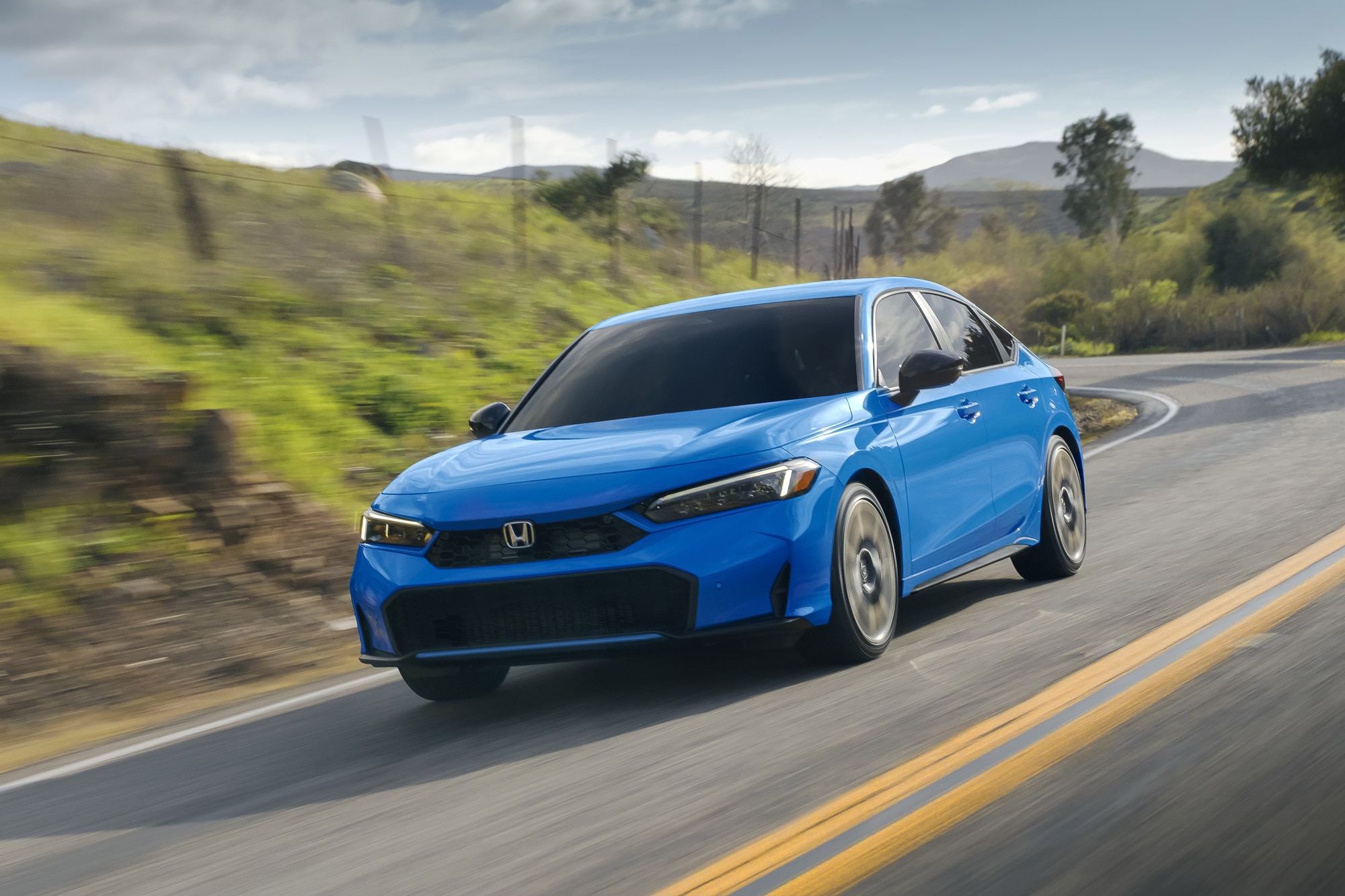
2026 Honda Civic Hatchback
The 2026 Honda Civic continues to define the compact-car segment. Available with gas and hybrid powertrains, the Honda Civic offers competitive rear space and fuel economy, in addition to a very usable interior. The hatchback version's utility is especially useful for students moving into dorms or apartments, and the Honda Sensing suite of advanced driver-assistance technology comes standard. The EPA rates the Civic Hatchback as getting up to 34 mpg in combined city and highway driving. Note that only the Civic Hatchback is an IIHS Top Safety Pick in 2026.
 Benjamin Hunting
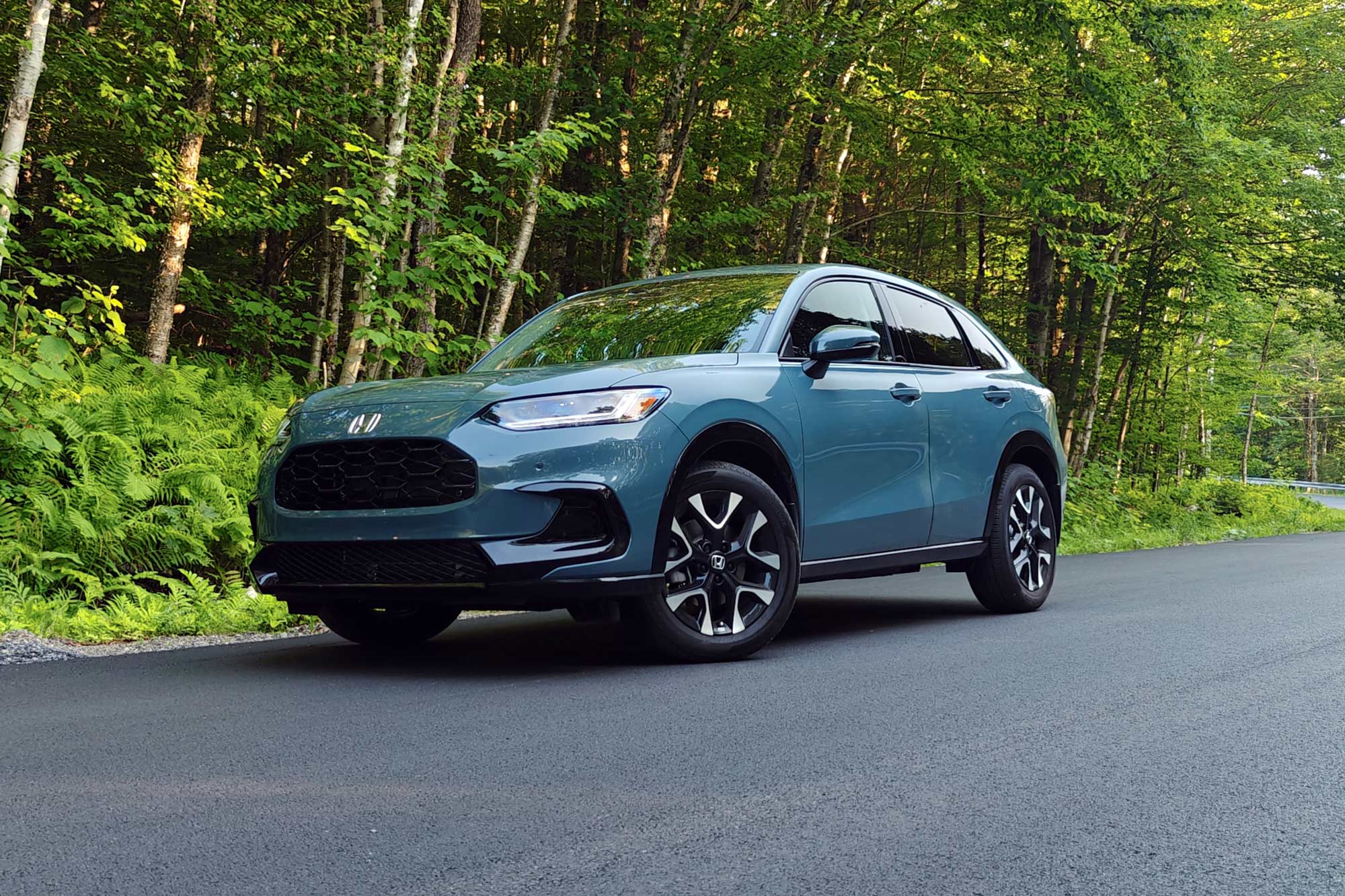
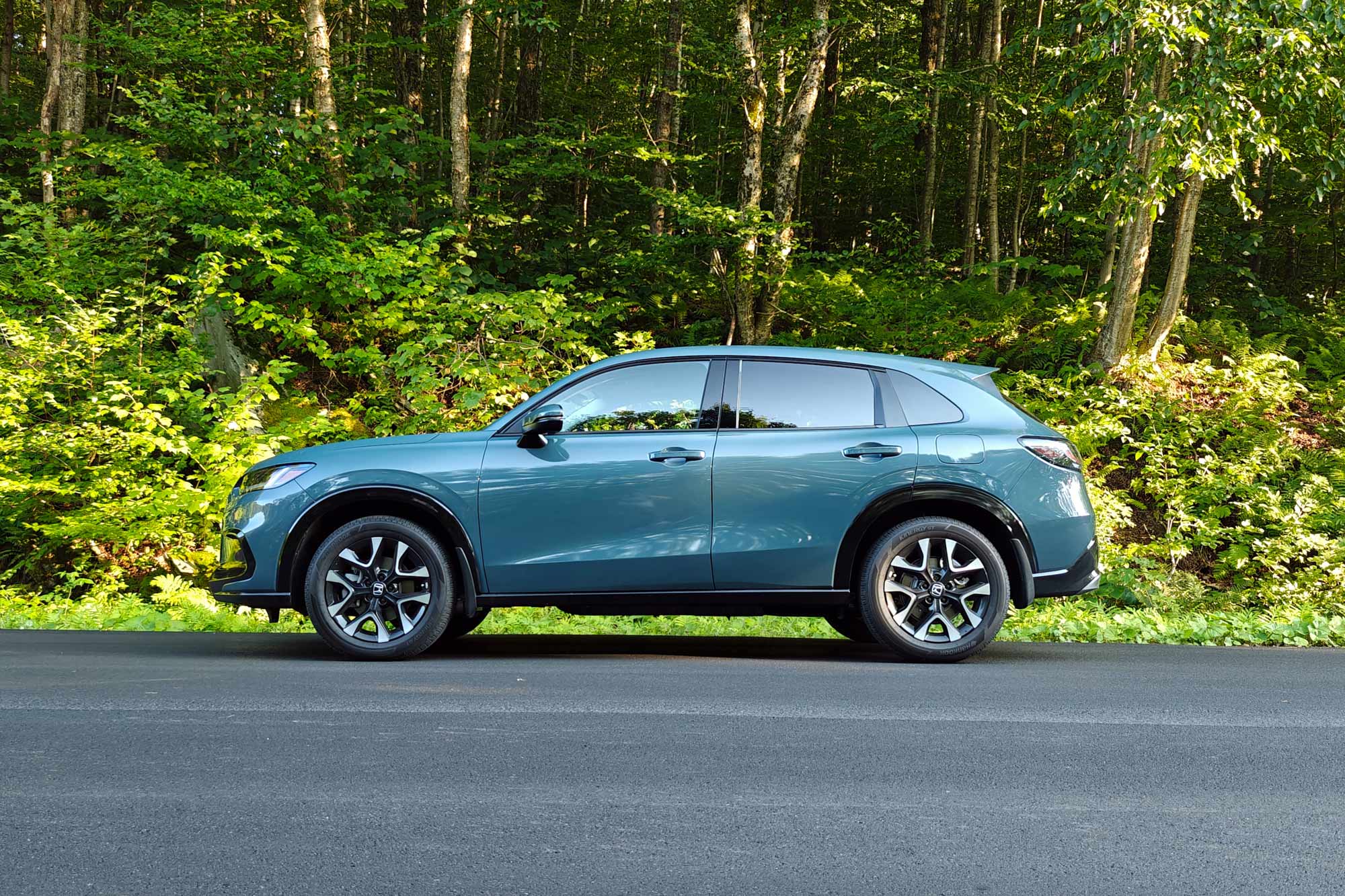
2026 Honda HR-V
The 2026 Honda HR-V offers many of the advantages of a crossover without the bulk of a larger SUV. The HR-V’s elevated seating position provides better visibility than a low-slung sedan, arguably making it easier to navigate busy college campuses. A roomy cargo area accommodates everything from move-in day essentials to a bicycle in a pinch. All-wheel drive (AWD) is available, the Honda Sensing Suite of driver-assistance features is standard, and the EPA rates it at up to 28 mpg in combined city and highway driving.
 Hyundai
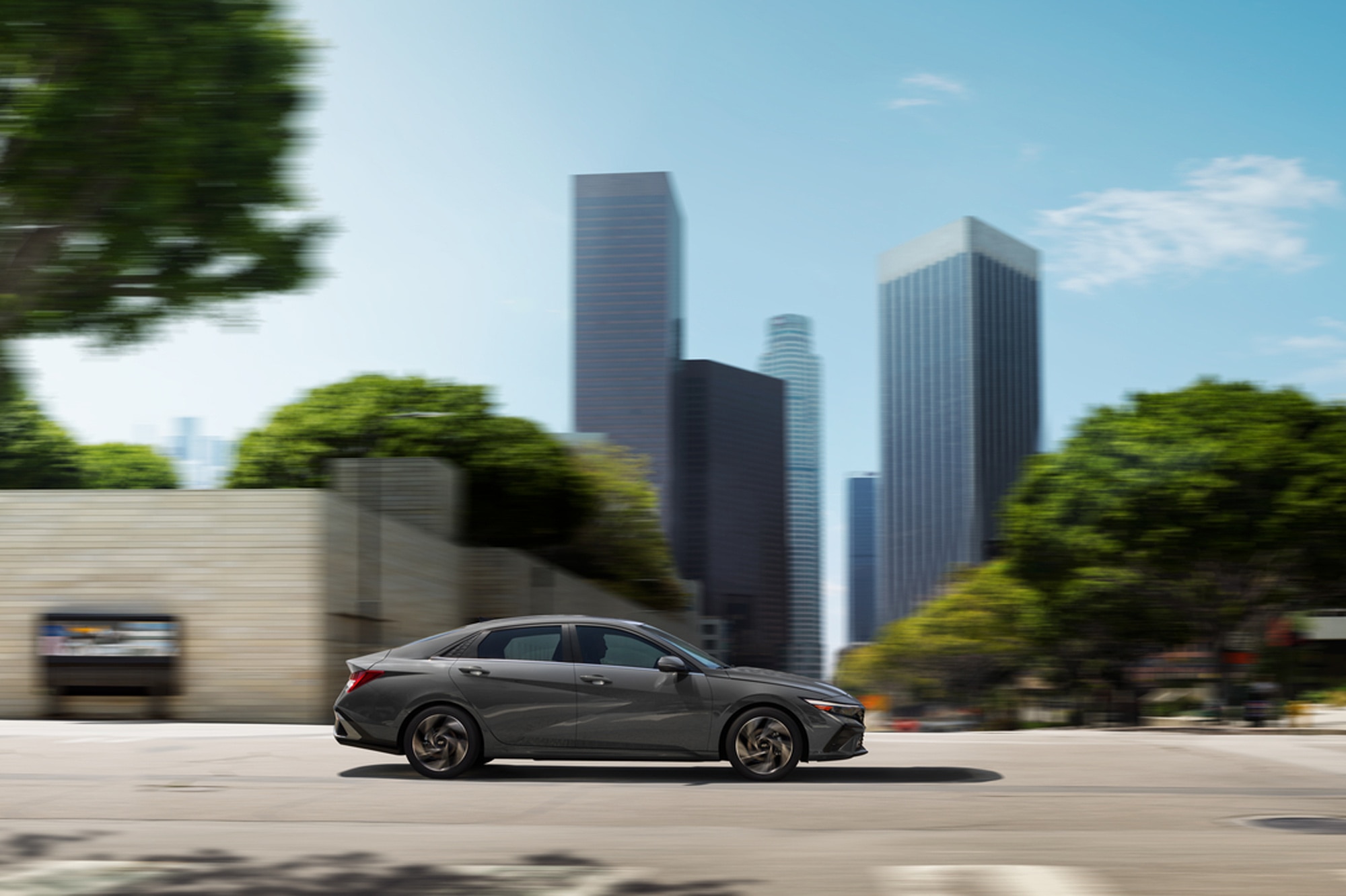
2026 Hyundai Elantra Hybrid
Students who commute significant distances can reduce fuel expenses with the 2026 Hyundai Elantra Hybrid. Its outstanding fuel economy, comfortable ride, strong warranty, including the 10-year or 100,000 miles for the Elantra powertrain and hybrid battery, and standard driver-assistance features make this vehicle’s cost of ownership over multiple years very attractive.
 Christian Wardlaw
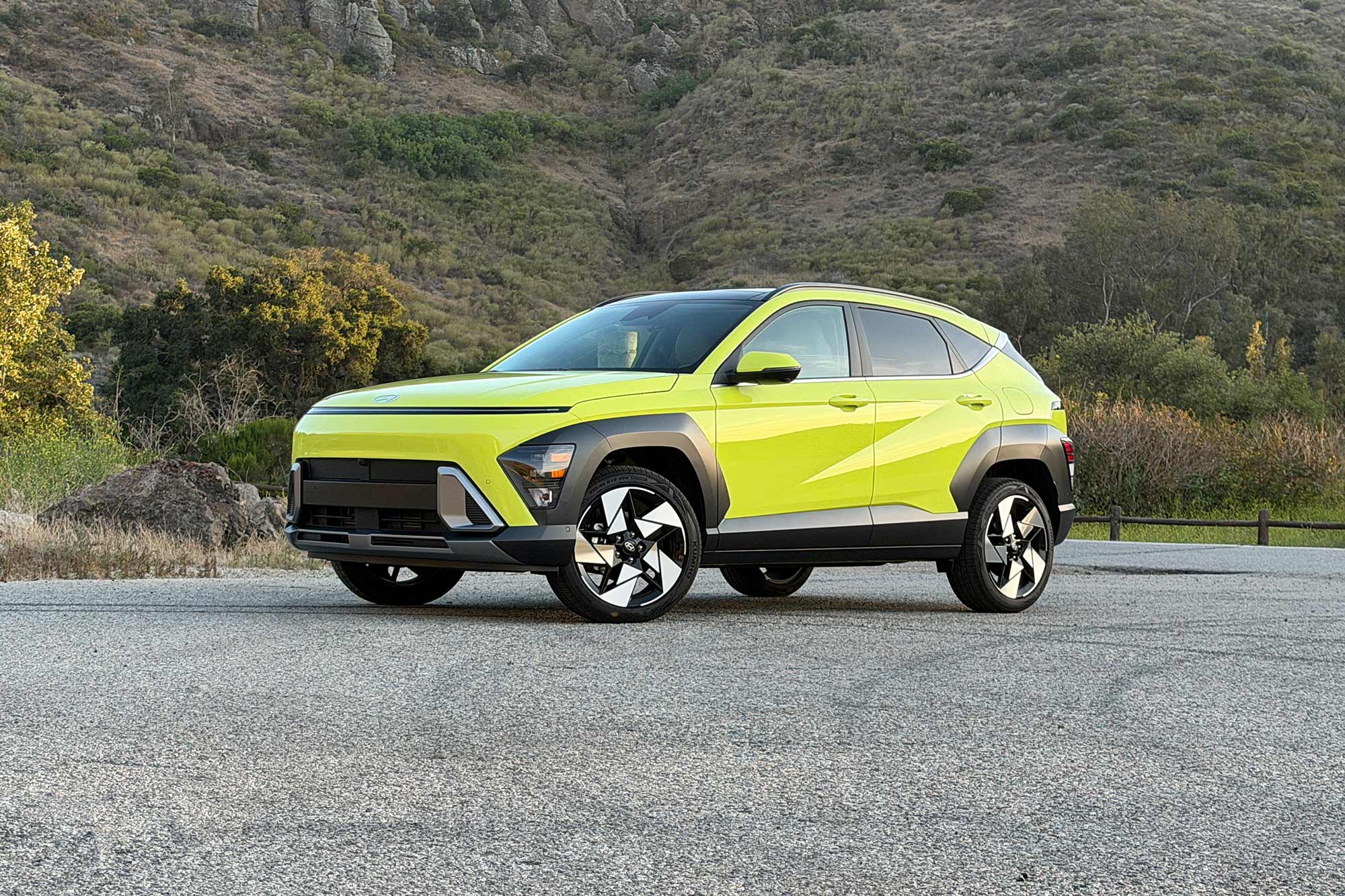
2026 Hyundai Kona
The 2026 Hyundai Kona combines the maneuverability and footprint of a small car with the driving position and utility of a small crossover. Its compact dimensions can make parking in tight campus lots easier, while its cargo area yields ample room for sports equipment or a short-distance move. Available AWD and an EPA fuel-efficiency rating up to 31 mpg combined make the Hyundai Kona practical and efficient.
 Christian Wardlaw
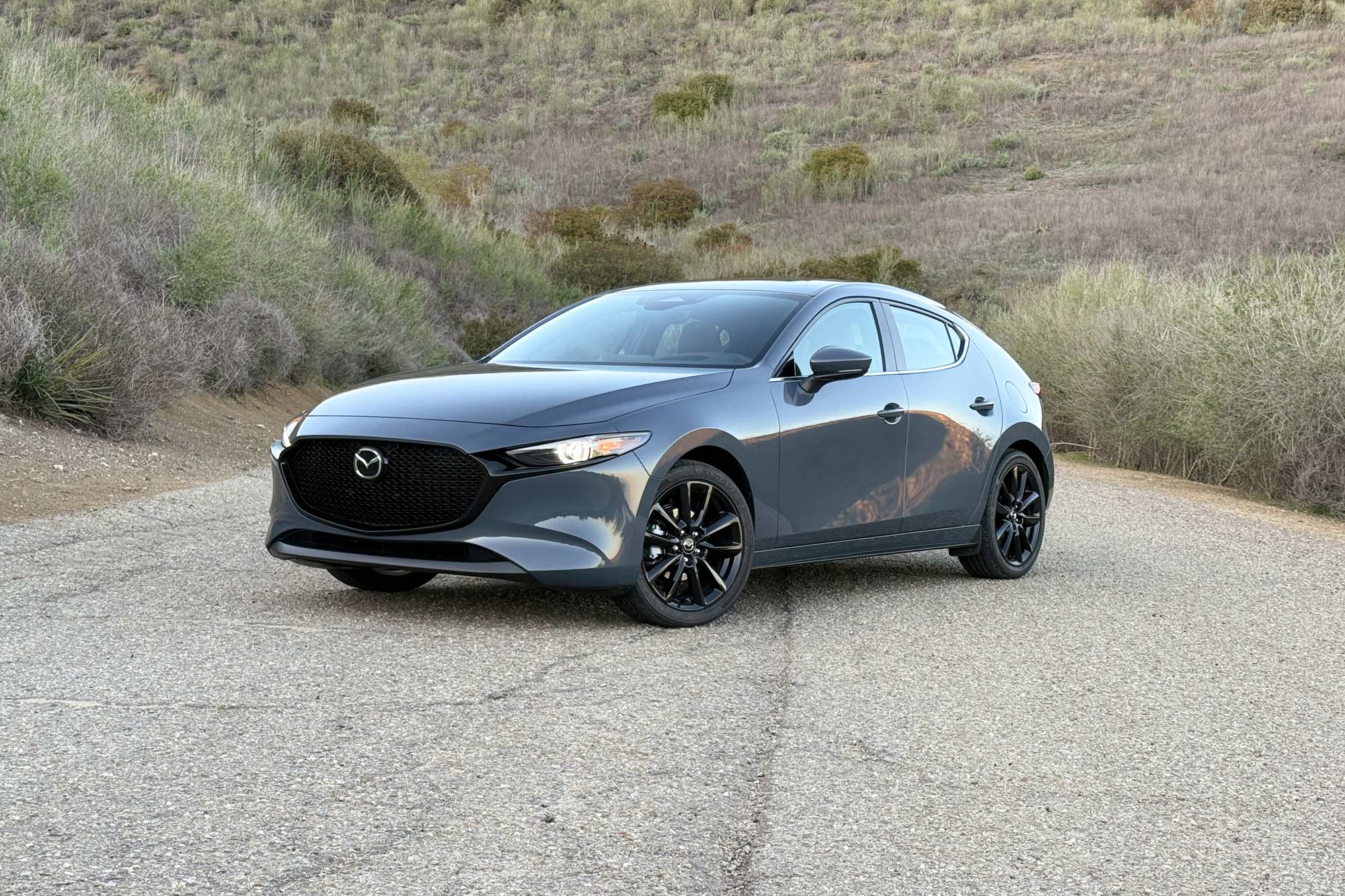
2026 Mazda3
The 2026 Mazda3 delivers an upscale cabin design, responsive handling, and available hatchback versatility. It can feel more refined to drive than some of its competitors, and it doesn't sacrifice reliability or efficiency to do so. Students who appreciate a responsive vehicle but still need practical transportation are likely to appreciate the Mazda3's balance of quality and athleticism. That it's available with AWD further enhances its appeal, especially for students in cold climates. Both the hatchback and the sedan are IIHS Top Safety Pick+ winners. The EPA rates the Mazda3 as getting up to 30 mpg in combined city and highway driving.
Best Used Vehicles for College Students
 Honda
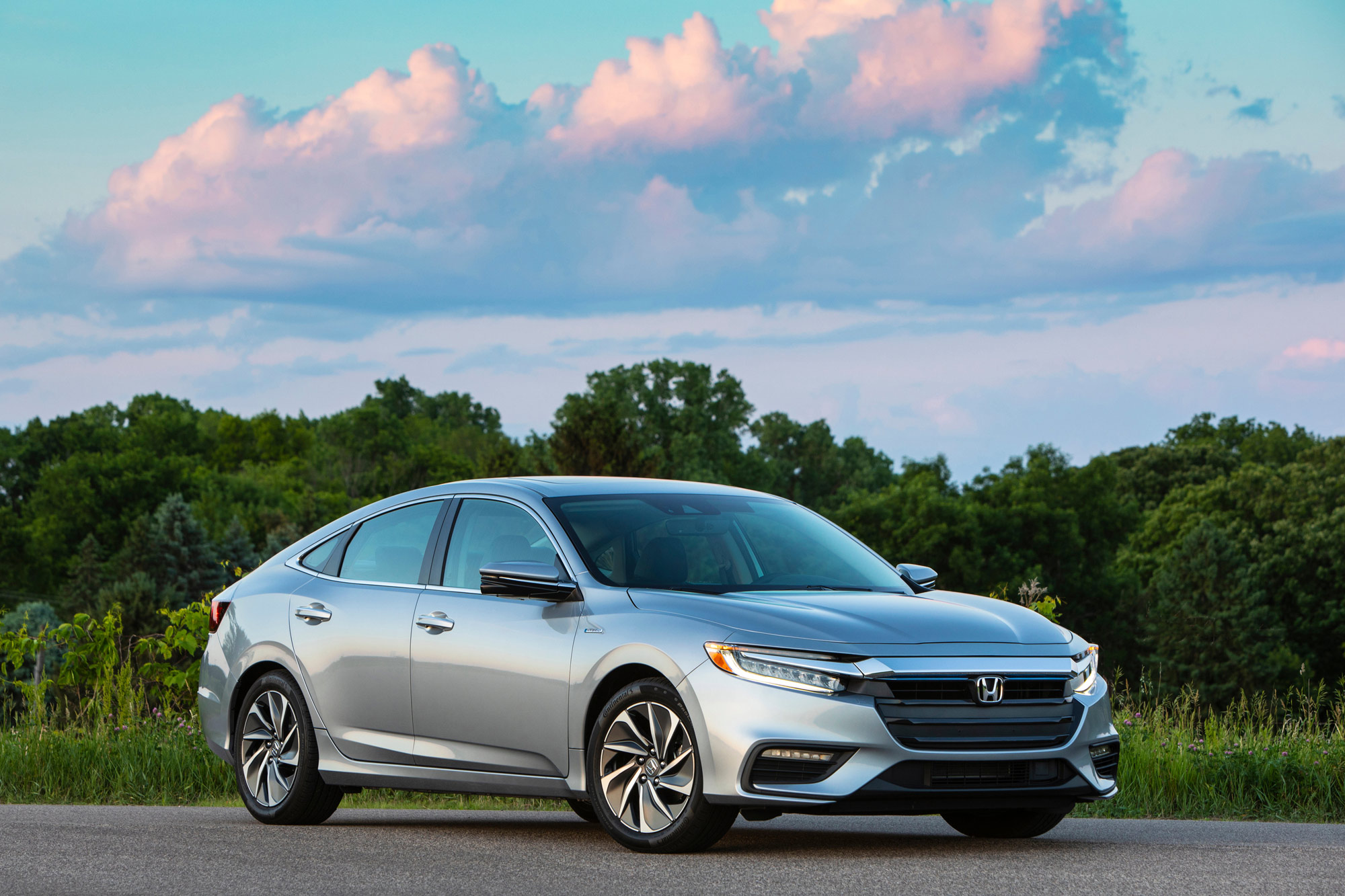
2019-2020 Honda Insight
The Honda Insight blends hybrid fuel economy with the driving manners of a conventional compact sedan. It delivers up to 52 mpg combined and pairs that efficiency with a generous suite of driver-assistance features.
 Kia
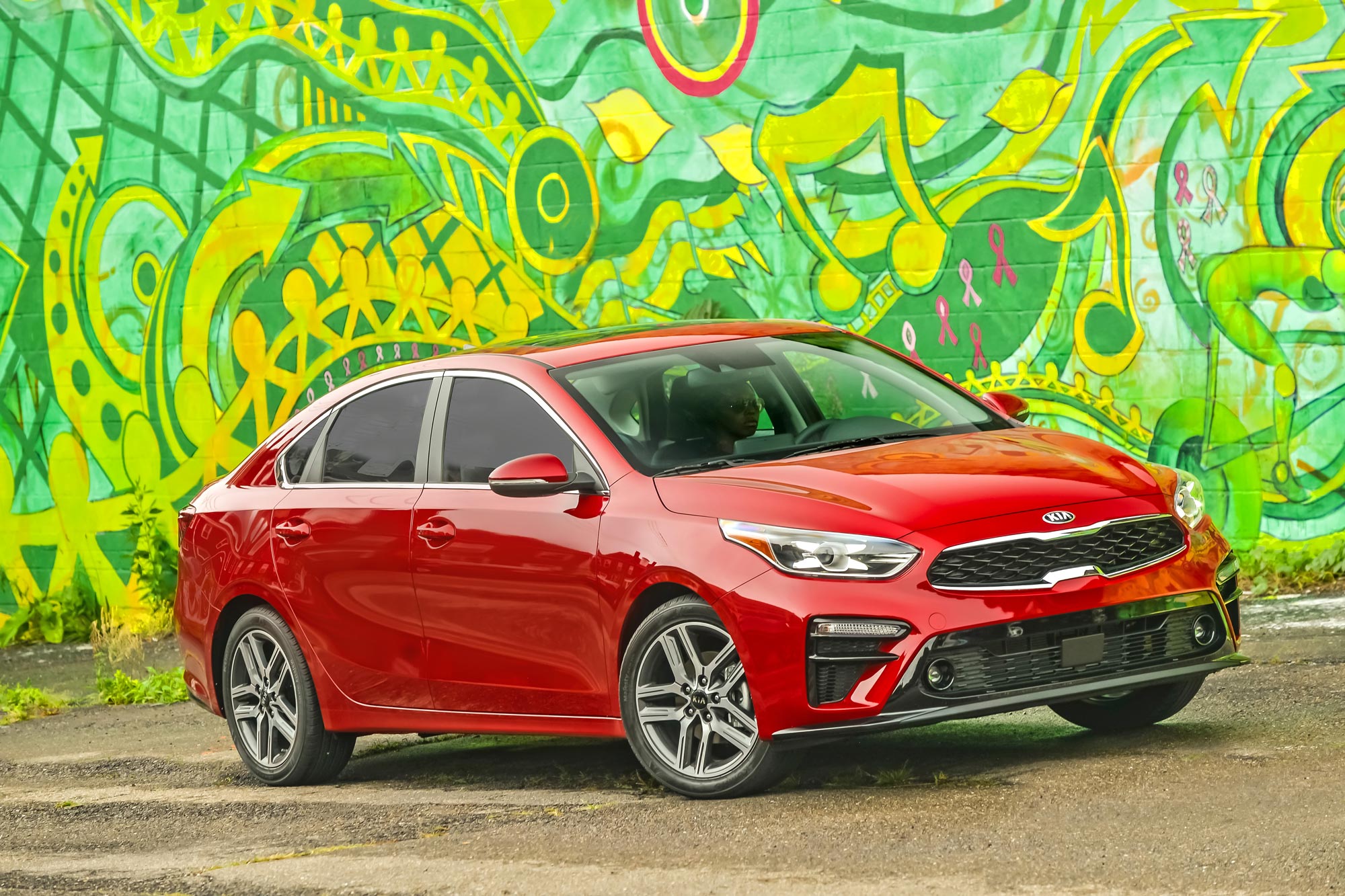
2019-2020 Kia Forte
A used Kia Forte offers terrific value thanks to its roomy cabin, user-friendly technology, and excellent fuel economy with up to 35 mpg combined. It provides features found in more costly compact sedans while keeping ownership costs relatively low, which makes it a smart choice for budget-conscious students. Note that only models equipped with LED projector headlights qualify for the IIHS' Top Safety Pick+ award.
 Kia
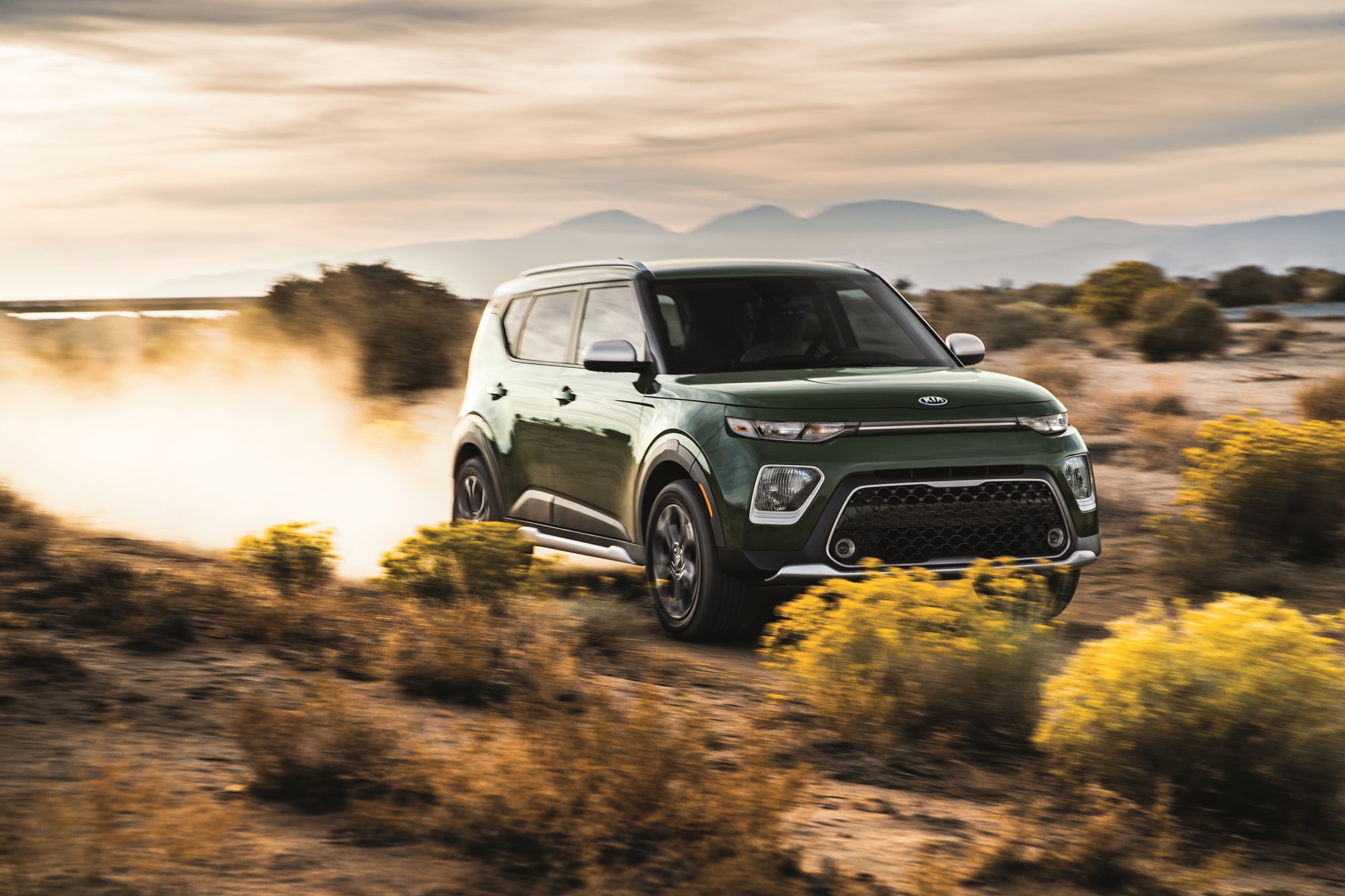
2020 Kia Soul
The Kia Soul's upright hatchback design creates more usable space than most compact cars. It can swallow bikes, dorm furniture, and storage bins while remaining practical on a college campus. And it looks unusual, standing out from the flood of subcompact SUVs. The EPA says you can expect up to 31 mpg combined from the Soul. Note that only Souls equipped with LED projector headlights and certain optional crash-prevention systems qualify for the IIHS' Top Safety Pick award.
 Toyota
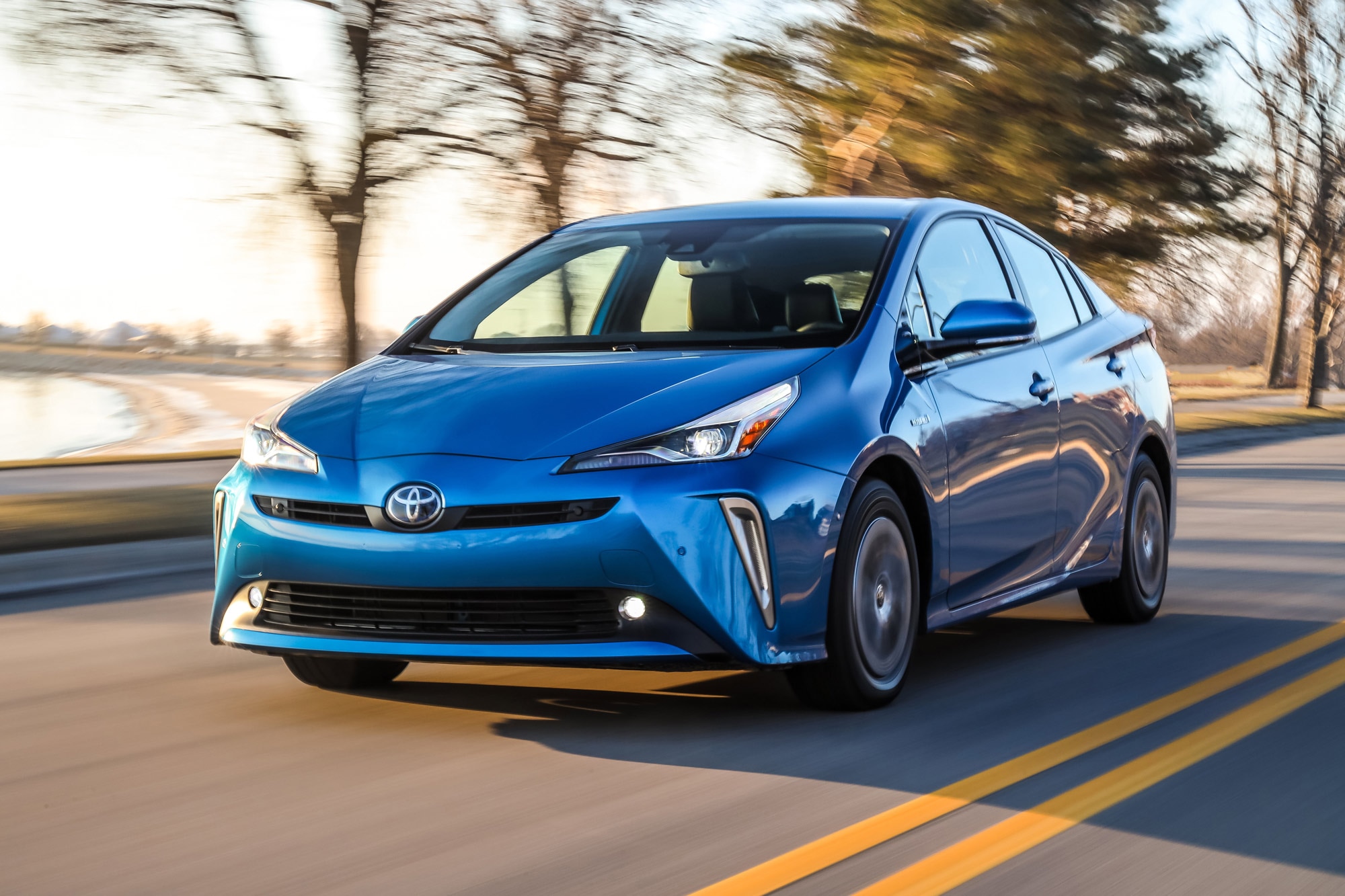
2020 Toyota Prius
Students who log a lot of miles shouldn't ignore the Toyota Prius, which achieves a rating of 56 mpg in combined city and highway driving and a highway-only rating of 53 mpg. Its hatchback design offers ample cargo flexibility while Toyota Safety Sense provides a strong suite of driver-assistance technologies.
 Volkswagen
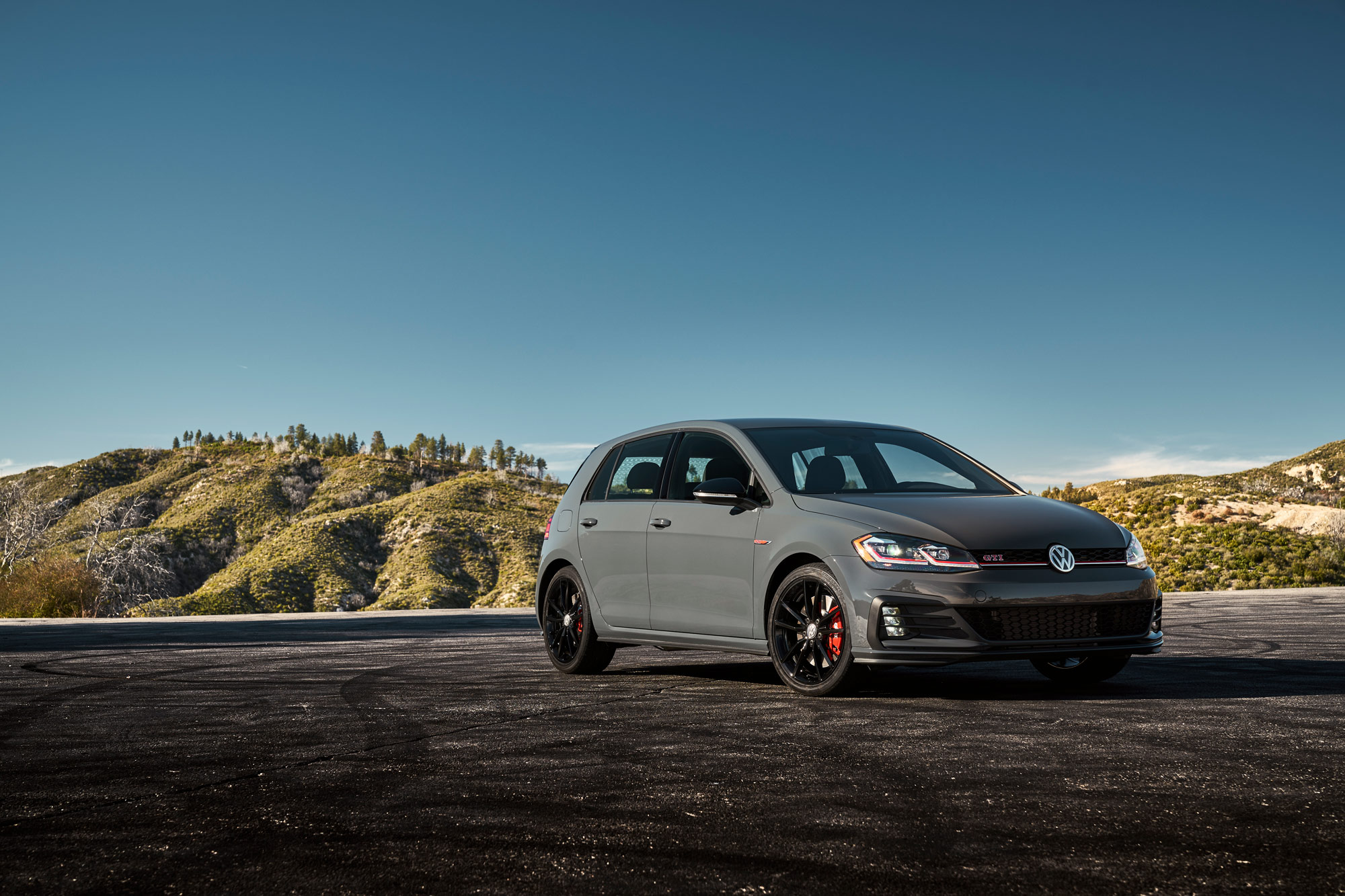
2019-2020 Volkswagen GTI
With four doors and a hatchback, VW's GTI is a pragmatic car with an enthusiast slant. With up to 32 mpg in combined city and highway driving, it lacks the peak fuel efficiency of some of the cars on this list, but arguably substitutes driving fun in its place.
You'll need to find one with the optional crash-prevention systems and LED projector headlights to have a car that meets the IIHS Top Safety Pick requirements.
Special Mentions
Not all of the vehicles listed below hold the same standards as the best new and best used vehicle list.
 Chevrolet
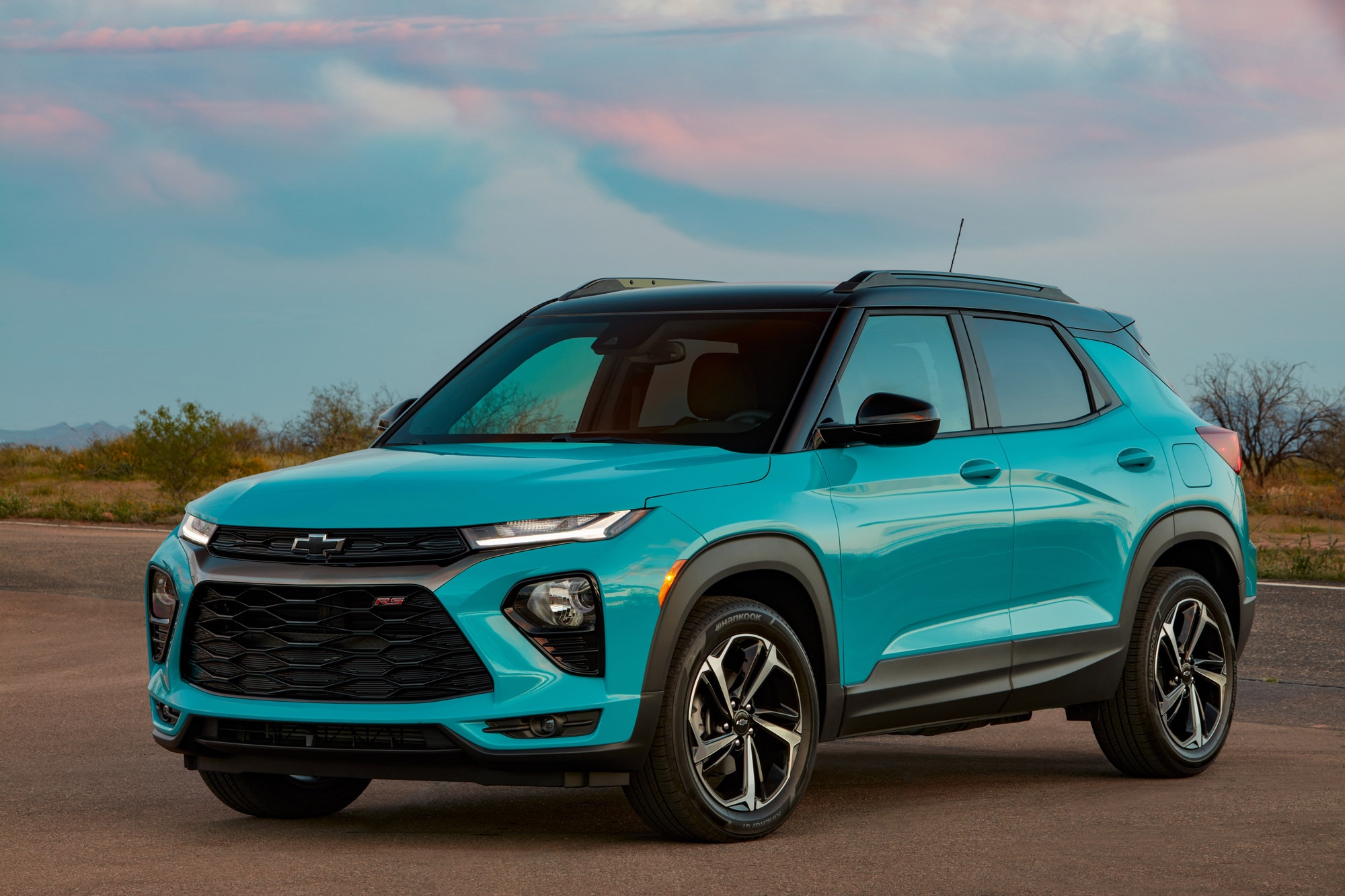
2022 Chevrolet Trailblazer
This small crossover's rear seats can fold to create a flat cargo floor ideal for hauling around everything from a mini-fridge to a month's worth of laundry.
AWD is available, but in FWD form, the Chevy Trailblazer can get up to 31 mpg in combined driving. The 2022 Trailblazers earned the IIHS' Top Safety Pick+ status.
 Honda
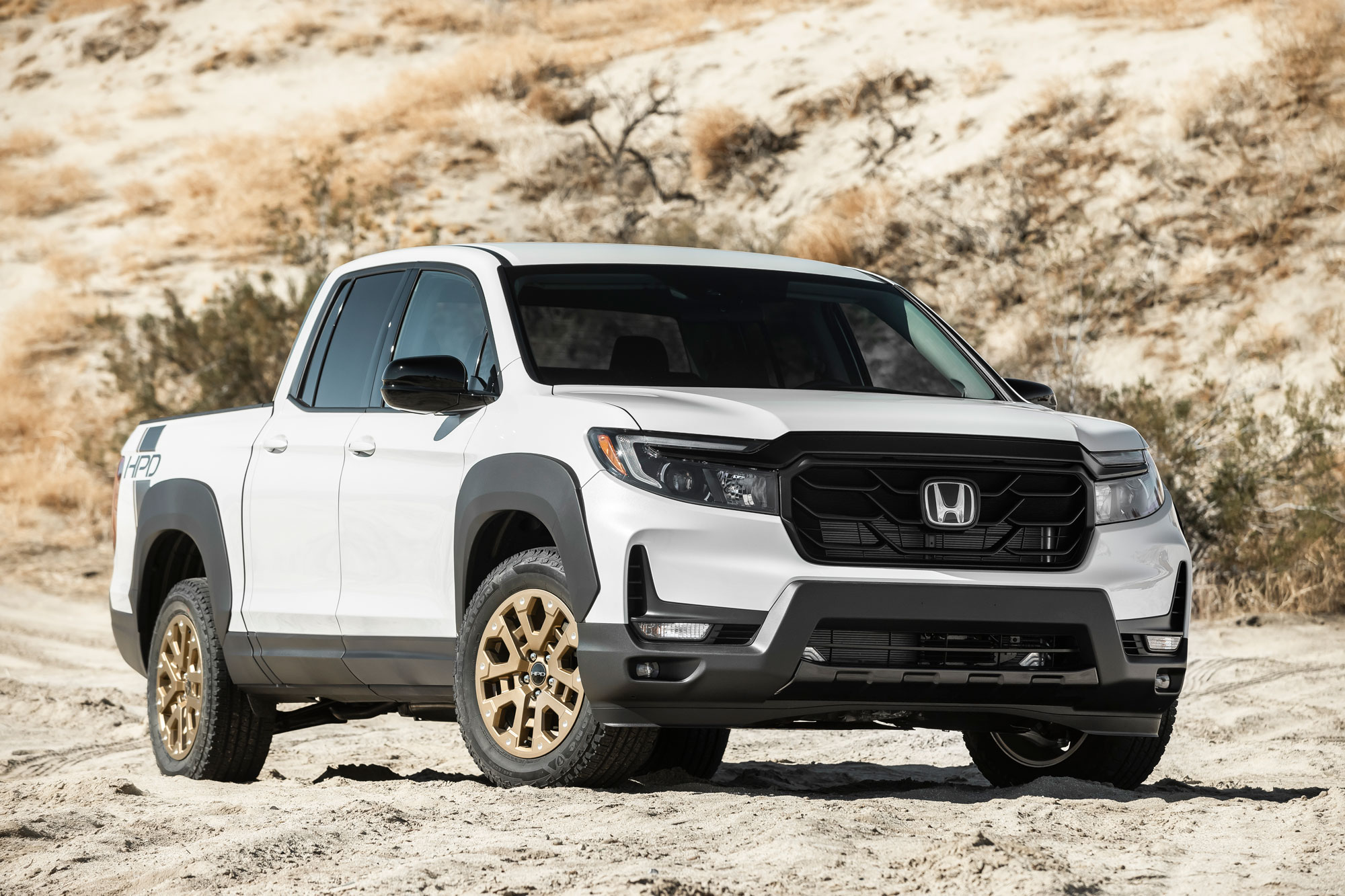
2017-2021 Honda Ridgeline
Students who need occasional pickup truck capability may want to consider the Honda Ridgeline. It offers innovative storage features, including a lockable in-bed trunk and flip-up rear seats.
It's larger than the typical college vehicle, but that extra space makes room for hauling outdoor recreation equipment , dorm furniture, or work-related tools. The Ridgeline was available with front-wheel drive starting in 2017, but later became exclusively AWD. Its fuel economy isn't embarrassing at 21 mpg combined with AWD.
 Ron Sessions
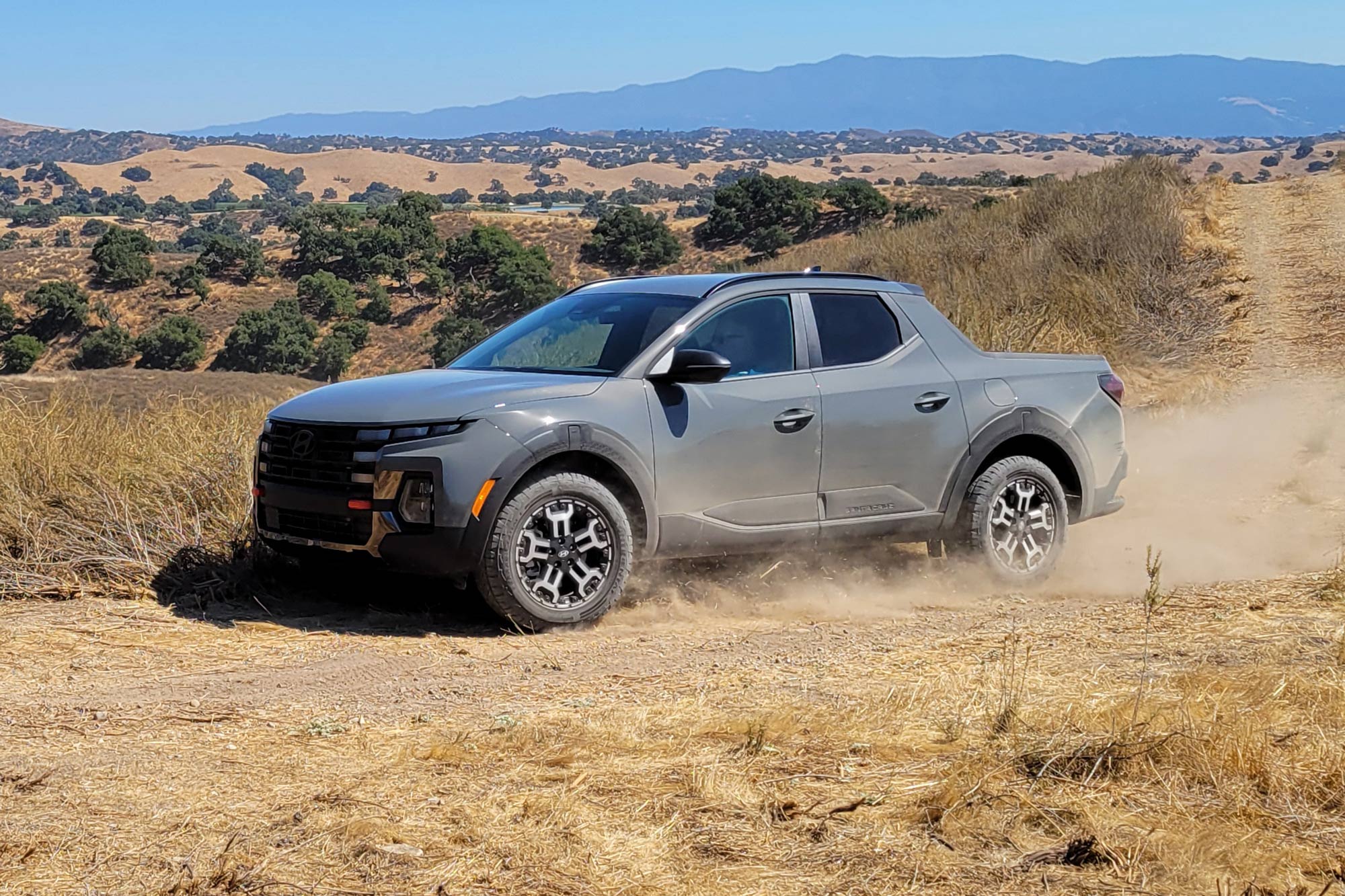
2024-2025 Hyundai Santa Cruz
The Hyundai Santa Cruz is bigger than most of the cars and crossovers listed here but smaller than the Honda Ridgeline. Available in FWD and AWD, it shares the Ridgeline's utilitarian in-bed trunk, and it earns up to 23 mpg combined from the EPA when equipped with AWD.
 Subaru
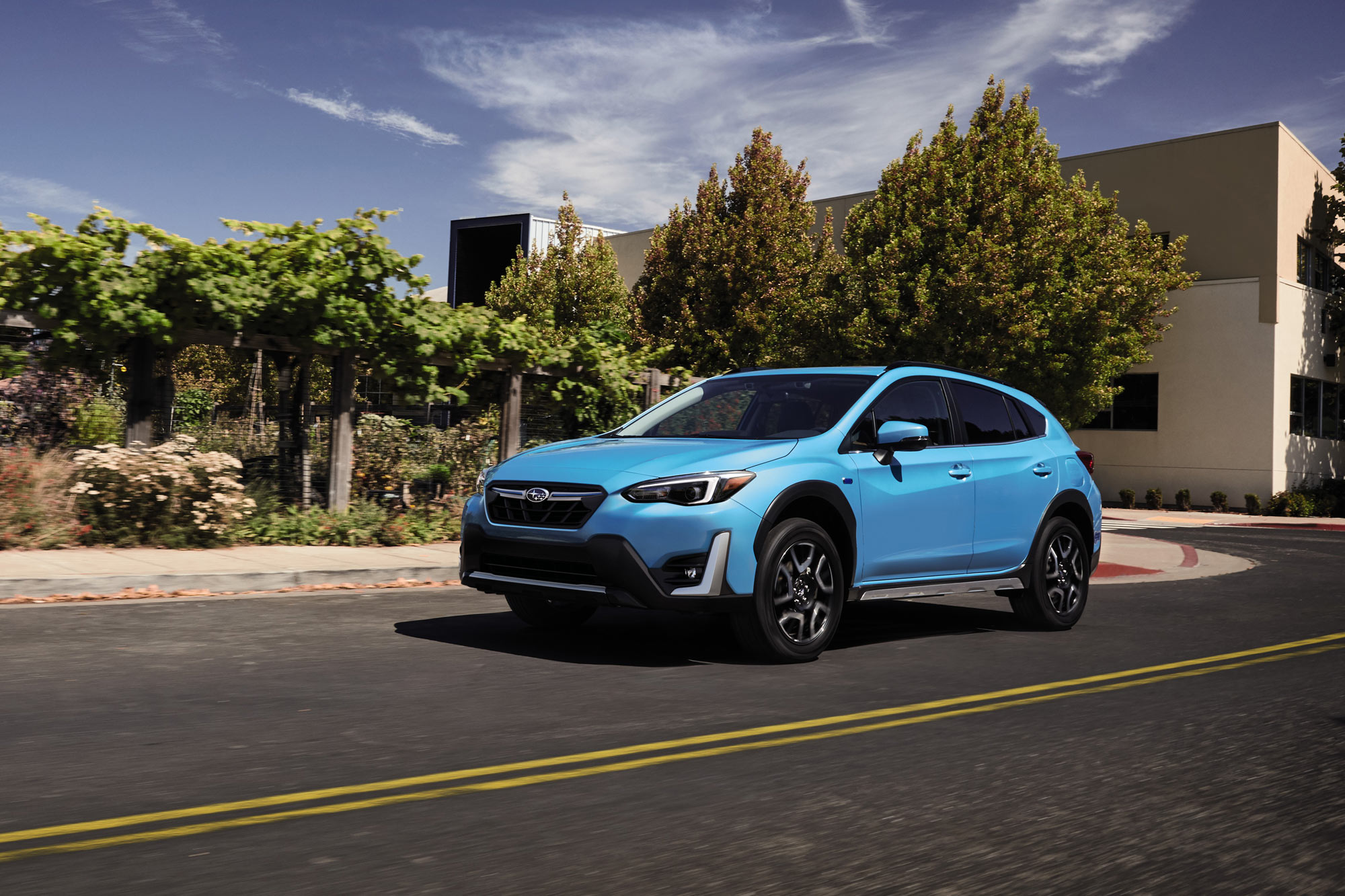
2021-2022 Subaru Crosstrek
With standard AWD and a four-door hatchback body, the Subaru Crosstrek is already hitting two major criteria for this list. It earns up to 30 mpg combined and won't blink when winter arrives. Again, to get a Crosstrek that qualifies for the IIHS' Top Safety Pick award, you'll need to find one with LED projector headlights and the optional Subaru EyeSight crash-prevention system.
Hidden College Car Costs Parents and Students Often Ignore
As with any vehicle, the purchase price of these cars, trucks, and SUVs represents only one portion of the total ownership costs. Car insurance premiums for college students deserve special attention. Drivers younger than 25 typically pay higher premiums than older motorists because they statistically present a greater crash risk. Before making any purchase, compare insurance quotes for the exact model you're considering, using the vehicle identification numbers (or VINs) whenever possible. Two similarly priced vehicles can differ in annual insurance costs. Remember, car insurers calculate premiums using a formula that includes driving record, place of residence, and miles driven annually.
Campus parking also deserves consideration. Many universities charge hundreds of dollars annually for parking permits, while citations can accumulate quickly if students misunderstand or ignore parking rules. Larger vehicles may also suffer more door dings and cosmetic damage in crowded parking lots, given a lack of space.
Any used vehicle should undergo an independent pre-purchase inspection (PPI) before money changes hands. Expect to spend up to a few hundred dollars to have a qualified mechanic identify collision damage, neglected maintenance, fluid leaks, worn suspension components, or other problems that may not be obvious during a short test drive. A clean vehicle-history report is not a reason to overlook a PPI.
Students and/or parents should also budget for routine maintenance, including tires, brakes, oil changes, windshield wipers, and battery replacement. Choosing a vehicle with commonly available and reasonably priced parts helps keep these costs predictable.
Making a Smart Financial First Step
Ultimately, a college car is a tool, not a status symbol. The best cars for college students minimize financial stress by delivering everyday reliability, outstanding safety, reasonable fuel economy, and manageable maintenance costs. Compact sedans, hatchbacks, and small crossovers tend to provide the strongest balance of affordability, practicality, and efficiency, whether new or used.
Any vehicle purchase for a college student should prioritize proven crash-test performance, modern safety technology, and a history of mechanical reliability. By focusing on practical transportation rather than image, students can spend less time worrying about repair bills and more time succeeding in the classroom.
This site is for educational purposes only. The third parties listed are not affiliated with Capital One and are solely responsible for their opinions, products and services, and all trademarks listed are the property of their respective owners. Capital One does not provide, endorse or guarantee any third-party product, service, information or recommendation listed above. The information presented in this article is believed to be accurate at the time of publication, but is subject to change. The images shown are for illustration purposes only and may not be an exact representation of the product. The material provided on this site is not intended to provide legal, investment, or financial advice or to indicate the availability or suitability of any Capital One product or service to your unique circumstances. For specific advice about your unique circumstances, you may wish to consult a qualified professional.
Related articles
View more related articles